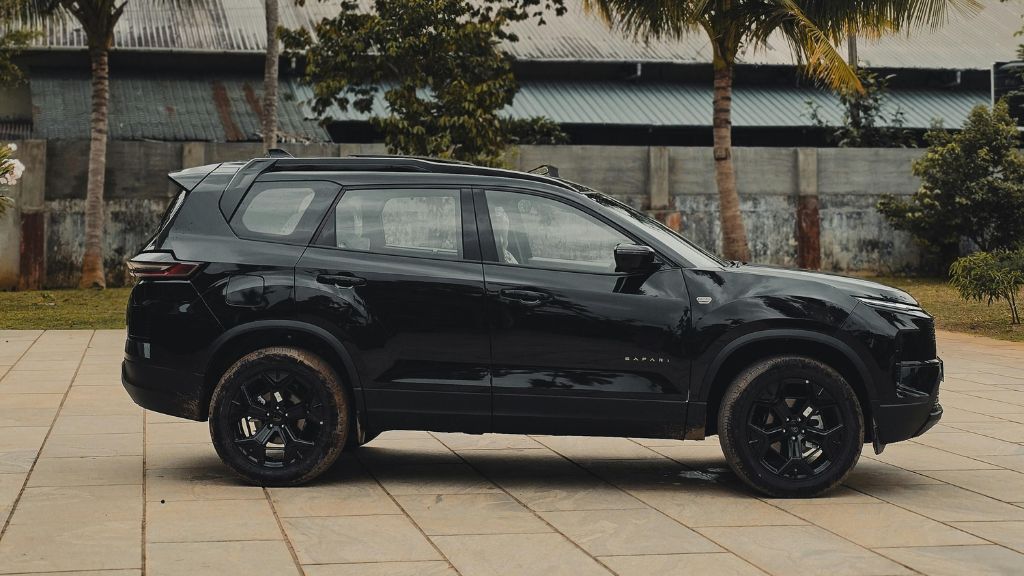
The Tata Safari changed how India thought about domestic car brands. When it launched in 2021, it proved that Tata could build a premium, spacious 6/7-seater SUV that looked and felt genuinely desirable – not just adequate. Now, Tata Motors is taking that beloved product and electrifying it. The Safari EV has been spotted testing on Indian roads for the first time in June 2026, and the automotive community’s reaction has been electric – no pun intended.
Tata has confirmed a festive season 2026 launch window for the Safari EV – placing it in October–November 2026, India’s most important car buying period. With spy shot analysis, known platform specifications, and Tata’s stated pricing intent of Rs 22.50–30 lakh, here is the most comprehensive preview of India’s most anticipated 7-seater electric SUV.
Tata Safari EV – Spy Shot Analysis: What the Test Mule Reveals
The Safari EV test mule spotted in June 2026 provides several important clues about the production specification:
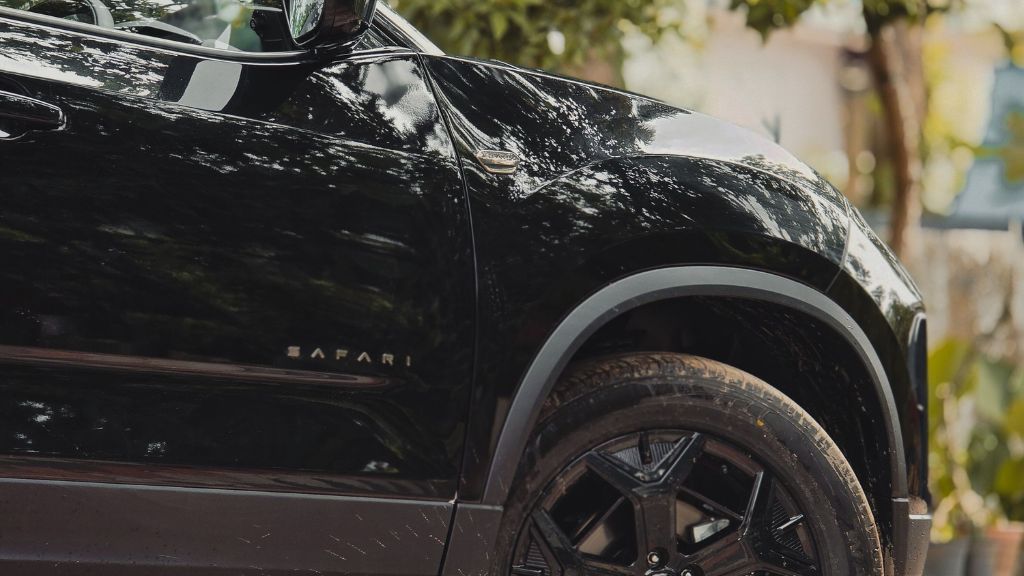
- Platform: The wheelbase appears identical to the current Safari – confirming use of the existing monocoque platform with electric powertrain adaptation, not a ground-up EV architecture
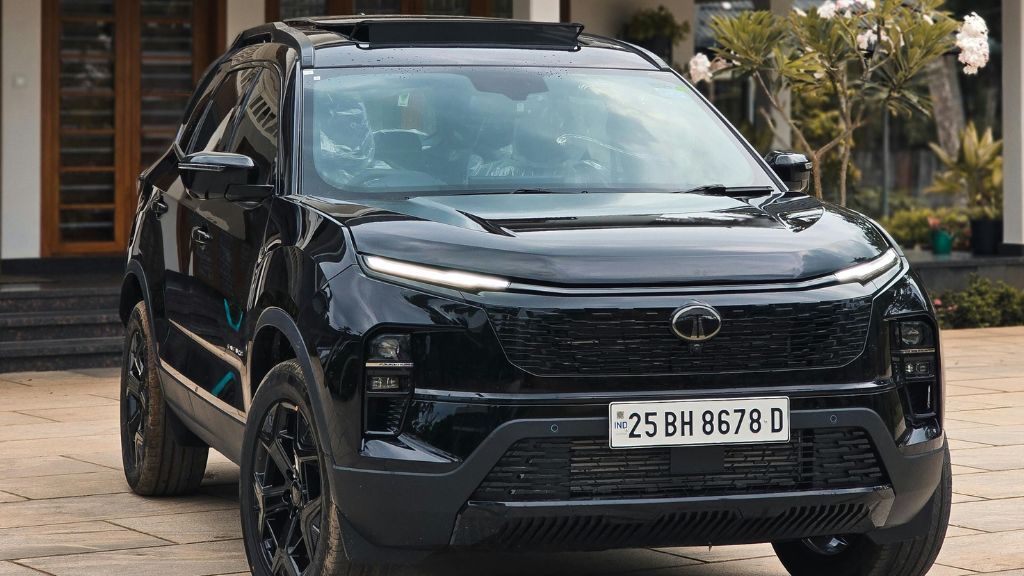
- Front fascia: Heavily camouflaged but clearly shows a closed grille (no engine air intake needed) with a distinctive horizontal LED light bar – different from current Safari’s split-headlamp design
- Charging port: A CCS2 charging flap is visible on the left front quarter panel – confirming DC fast charging capability
- Rear: Minimal camouflage shows Safari’s existing tail lamp shape with ‘Safari EV’ badging clearly visible – Tata is not hiding the product identity
- Ground clearance: Appears unchanged from petrol Safari at 205 mm – good for Indian road conditions
- Ride height: Slightly lower than petrol Safari, suggesting battery pack placement under the floor reduces body height marginally
- Tyres: 18-inch wheels visible – same as current Safari’s standard fitment
Tata Safari EV – Expected Specifications
| Specification | Expected Details |
| Platform | Tata Gen 2 EV platform (adapted from Safari monocoque) |
| Battery | 60 kWh (estimated, same as upcoming Sierra EV) |
| Real-world range | 350–400 km (mixed use with 7 seats) |
| Motor | Rear-wheel drive, ~200 PS estimated |
| 0–100 km/h | 8.5–9.5 seconds (estimated) |
| Charging (DC) | CCS2, 70 kW support, 10–80% in ~55 minutes |
| Charging (AC home) | 7.4 kW wallbox, full charge in ~9 hours |
| Seating | 6 or 7 (captain seats + bench option) |
| Boot space | 150 litres (7 seats up), 600+ litres (2nd row up) |
| Safety | 5-star BNCAP (Tata track record) |
| ADAS | Level 2 – ACC, FCWS, LDWS, 360-degree camera |
| Expected launch | October–November 2026 (festive season) |
The 60 kWh battery estimate is based on Tata’s pattern of using the same battery module across their EV family. The Nexon EV Max uses 40.5 kWh, the upcoming Sierra EV is confirmed at 60+ kWh. The Safari EV’s larger body and heavier 7-seater structure will need this larger battery to achieve competitive real-world range.
Safari EV vs Petrol Safari – Why Make the Switch?
Current petrol Safari owners and prospective buyers have one primary question: is the EV worth the premium? Here is the honest comparison:
| Safari EV (Expected) | Safari Petrol (Current Top) | Safari Diesel (Expected) | |
| Ex-showroom price | Rs 22.50–30 lakh | Rs 27.34 lakh | Rs 22–27 lakh |
| Running cost/km | Rs 0.15–0.25 (home charging) | Rs 2.20–2.80 | Rs 1.40–1.80 |
| Monthly fuel cost* | Rs 2,700–4,500 | Rs 33,000–42,000 | Rs 21,000–27,000 |
| Annual fuel saving vs petrol | Rs 28,000–37,000 | Baseline | Rs 12,000–15,000 |
| Maintenance | Significantly lower | High | Medium-high |
| Range per charge/fill | 350–400 km | 600–700 km | 700–800 km |
| ADAS | Level 2 full suite | Level 2 (select trims) | Level 2 (select trims) |
At 1,500 km/month usage, the Safari EV saves Rs 28,000–37,000 annually in fuel versus the petrol Safari. Over 5 years, that is Rs 1.4–1.85 lakh in fuel savings. Combined with significantly lower maintenance costs (no engine oil, fewer brake wear thanks to regen braking, no exhaust system servicing), the total 5-year ownership cost of the Safari EV is expected to be comparable to or lower than the petrol Safari despite the higher purchase price.
Tata Safari EV vs Tata Nexon EV Max – Which Tata EV to Choose?
Many buyers considering the Safari EV will also look at the Nexon EV Max – Tata’s current flagship EV. Here is how they are expected to compare:
| Tata Safari EV | Tata Nexon EV Max | |
| Expected price | Rs 22.50–30 lakh | Rs 17.19–19.44 lakh |
| Battery | ~60 kWh | 40.5 kWh |
| Real-world range | 350–400 km | 280–320 km |
| Seating | 6 or 7 | 5 only |
| Boot space | 600+ litres (seats down) | 350 litres |
| Body size | Full-size SUV | Compact SUV |
| Ground clearance | ~205 mm | 209 mm |
| Charging (DC fast) | 70 kW (~55 min) | 50 kW (~56 min) |
The Safari EV targets a completely different buyer profile from the Nexon EV Max. If you need 7-seat capability, a larger boot for family road trips, and the commanding presence of a full-size SUV – the Safari EV is the product. The Nexon EV remains the better choice for compact SUV buyers prioritising lower purchase price and city manoeuvrability.
Will the Safari EV Be India’s Best 7-Seater EV?
When the Safari EV launches in festive season 2026, the competition for 7-seater electric SUVs in India will be thin. The Tata Nexon EV is 5-seater. The Hyundai Creta Electric is 5-seater. The MG Windsor is 5-seater. At the Safari EV’s expected price range of Rs 22.50–30 lakh, no direct electric 7-seater competitor exists. The BYD eMAX 7 (Rs 40.99 lakh) is priced significantly higher.
The Tata Sierra EV (expected July 2026) will be the only comparable large-footprint Tata EV, but as a 5-seater coupe-SUV it serves a different buyer. The Safari EV’s genuine 7-seat practicality at the expected price point makes it potentially the most significant EV launch of India’s festive season 2026.
Safari EV Launch Timing – Why Festive Season Matters
Tata has deliberately targeted the festive season (October–November 2026) for the Safari EV launch. This period accounts for 30–35% of India’s annual car sales. The Navratri-Dussehra-Diwali buying window is when Indian families make major purchasing decisions, EMIs are considered auspicious, and dealer discounts are most accessible. Launching the Safari EV in this window maximises first-month delivery volumes and sets the tone for monthly run-rate sales.
The festive season 2026 also coincides with the government’s push for EV awareness and the expansion of FAME-III subsidies – which could reduce the effective Safari EV price by Rs 50,000-1,50,000 depending on eligibility.
How to Book Tata Safari EV – What to Do Right Now
Tata Motors has not opened official Safari EV bookings yet. Based on Tata’s typical launch process:
- Pre-launch teasers: Expected August–September 2026
- Official unveiling and price announcement: Expected October 2026 (before Navratri)
- Booking opens: At unveiling event, Rs 21,000–25,000 token amount
- First deliveries: October–November 2026 for early bookers
Current action: Register your interest at your nearest Tata Motors dealership or on the Tata Motors website. Dealers are maintaining pre-interest lists – registering now ensures you are contacted the moment bookings open and potentially secures early delivery position.
Frequently Asked Questions – Tata Safari EV 2026
Q: What is the expected price of Tata Safari EV in India?
The Tata Safari EV is expected to be priced between Rs 22.50 lakh and Rs 30 lakh (ex-showroom) based on Tata’s stated intent and platform cost analysis. The base 6-seater variant may start around Rs 22.50–24 lakh, with the fully-loaded 7-seater top variant at Rs 27–30 lakh.
Q: When will Tata Safari EV launch in India?
Tata Motors has confirmed a festive season 2026 launch for the Safari EV, placing it in the October–November 2026 window. Official unveiling and price announcement is expected in October 2026 ahead of Navratri, with first deliveries in the same month for early bookers.
Q: What is the expected range of Tata Safari EV?
Based on the expected 60 kWh battery and Safari EV’s larger, heavier body, real-world range is estimated at 350–400 km in mixed driving with AC use. Highway range at 100 km/h is expected to be 380-430 km. ARAI claimed range will likely be higher at 480–520 km.
Q: Is Tata Safari EV a 7-seater?
Yes. The Tata Safari EV is expected to offer both 6-seater (with captain seats in the second row) and 7-seater (with bench second row) configurations, mirroring the current petrol Safari’s seating options. This makes it one of the very few electric SUVs in India to offer genuine 7-seat capability.
Q: How will the Safari EV be charged?
The Tata Safari EV supports CCS2 DC fast charging (70 kW, achieving 10–80% in approximately 55 minutes) and AC home charging via a 7.4 kW wallbox (full charge in approximately 9 hours). Tata’s growing Tata Power EV charging network provides widespread public charging access across India.
Q: Tata Safari EV vs Tata Sierra EV – which should I buy?
They serve different needs. The Sierra EV is a 5-seater coupe-SUV with distinctive styling – aimed at buyers prioritising design and driving experience. The Safari EV is a 6/7-seater practical family SUV prioritising space, boot capacity, and road presence. Choose Sierra EV if you are 2–3 occupants max and want distinctive styling. Choose Safari EV if you regularly carry 5–7 passengers and need large boot space.
Final Verdict – Is the Safari EV Worth the Wait?
For buyers who currently own a petrol or diesel Safari and are considering their next vehicle – or for families who need 7-seat electric capability in the Rs 22–30 lakh range – the Safari EV is unquestionably worth waiting for. Nothing else in the Indian market will offer a genuine Tata-built, 5-star BNCAP-rated 7-seater EV at this price when it launches.
The festive season 2026 timeline means the wait is approximately 4-5 months from today (June 2026). If you are buying a car right now, consider whether a petrol Safari on an 18-24 month loan with prepayment flexibility makes sense – or whether waiting 4-5 months for India’s most anticipated family EV is worth holding off.
| MOTORSADDA VERDICT: Mark your calendar for October 2026. The Safari EV will be the single most significant family EV launch of India’s festive season – and if Tata delivers on the Rs 22.50–30 lakh price target with 350–400 km real-world range and 7-seat capability, it will have no direct electric competition in its segment. Register your interest at your nearest Tata dealer today. |