
| This guide is for cars where the AC is ON, the blower is running, but the air coming out is warm or only slightly cool – especially frustrating in India’s 40°C+ summers. Every cause is explained with a self-check you can do in your parking spot, and the exact repair cost for 2026. |
An AC that stops working entirely is obvious – you know immediately something is wrong. But an AC that blows air but refuses to cool properly is far more common in India, and far more confusing. The blower sounds fine. The AC button is on. The temperature is set to minimum. And yet the cabin is still a furnace at 2 PM in May.
The frustrating truth is that most Indian car owners at this point do one thing: they go to the nearest mechanic and ask to ‘refill the AC gas.’ Sometimes that fixes it. Often it does not – because the actual problem is something else entirely. This guide helps you identify the real cause before spending money on the wrong fix. Walk through these nine causes in order. You will find your answer.
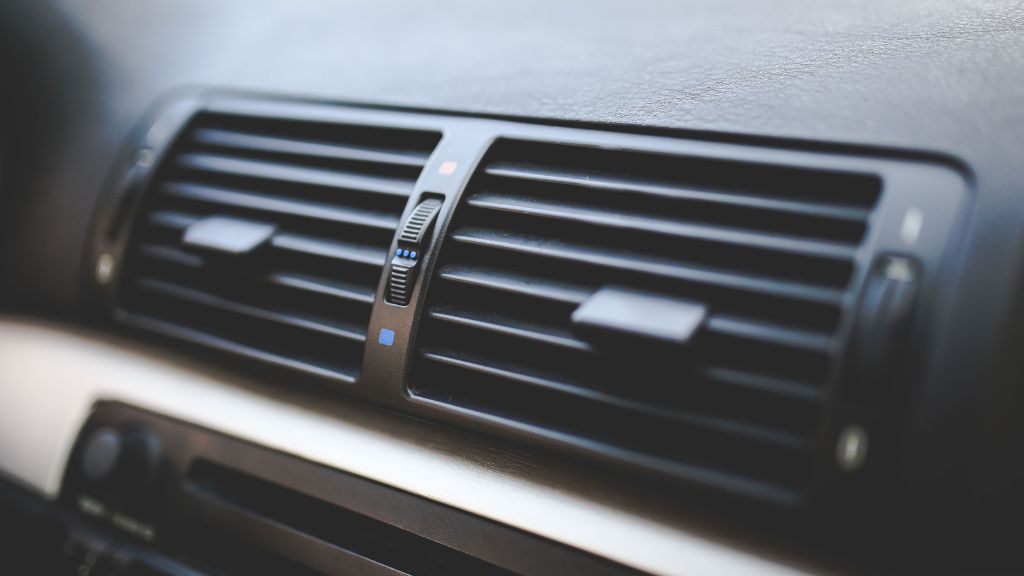
Two-Minute Self-Check Before Anything Else
Before calling anyone, spend two minutes on these basics. You would be surprised how often one of these is the actual issue:
- Is the AC button genuinely on and the temperature dial turned all the way to minimum (cold)? Sounds obvious, but rental cars and shared vehicles cause confusion here more than you think.
- When did you last replace the cabin air filter? If the answer is ‘never’ or ‘more than 2 years ago’ – this is very likely your problem and it costs Rs. 200–600 to fix yourself.
- Are all windows completely closed? A single partially open window reduces AC effectiveness by 40–50%.
- Has the car been parked in direct sun for hours? In 45°C Indian summer, even a working AC needs 8–12 minutes of driving to bring cabin temperature down. Give it time.
If all four checks pass and the AC still does not cool – work through the nine causes below. Each includes a self-check you can do without tools.
Cause 1 – Low Refrigerant (AC Gas) – Most Common in India
Refrigerant is the chemical that circulates through the AC system and physically removes heat from the cabin air. When refrigerant level drops – due to a slow leak or a damaged component – the system loses its ability to cool. The blower keeps running, air keeps moving, but no actual cooling happens.
Symptoms: AC cools adequately for the first 10–15 minutes then gradually warms up. Or blows room-temperature air from the moment you start it.
Self-check: With engine off, open the bonnet and locate the AC compressor – the cylindrical component connected to the engine belt on the front side. Start the engine and turn AC on. Watch the compressor: is the clutch disc (the flat disc in the centre) spinning along with the outer pulley ring? If both are spinning together – compressor is engaging. If only the outer ring spins but the centre disc does not – compressor clutch issue (separate problem). If both spin and you still get warm air – refrigerant is likely low.
Fix: Have a mechanic find the leak source first, repair it, then refill refrigerant. Refilling without fixing the leak means you will be back in the same situation in 2–3 months. This is also how many mechanics pad your bill – refill now, leak causes the same problem later, refill again.
Cost 2026: Leak detection and fix: Rs. 500–2,000 | R134a gas refill: Rs. 800–1,500 | Newer R1234yf cars: Rs. 2,500–4,500 | Total: Rs. 1,300–6,500
Cause 2 – Clogged Cabin Air Filter – Cheapest Fix
The cabin air filter sits behind the dashboard (usually behind the glove box) and cleans the air before it enters the cabin through the AC vents. When this filter gets clogged with dust – which happens fast on Indian roads – airflow drops so dramatically that even a perfectly functioning AC system cannot deliver adequate cooling.
Symptoms: AC is cold when you put your hand directly at the vent but the overall cabin does not cool down. Or you notice a stale or musty smell when AC turns on.
Self-check: Most Indian cars have the cabin filter behind the glove box. Open it, push the sides in gently, and it drops down to reveal the filter housing. Pull the filter out. If it is grey, brown, or black – replace it immediately.
Fix: Replace the cabin air filter. Search YouTube for your specific car model and ‘cabin air filter replacement’ – most cars take under 15 minutes with no tools required. This is the single easiest DIY car maintenance task available.
Cost 2026: Filter price: Rs. 200–600 (genuine part) | Workshop replacement total: Rs. 500–900 | DIY cost: Rs. 200–600 only
Cause 3 – Dirty or Blocked Condenser
The condenser is the grid-like component sitting in front of the radiator, behind the front grille. It releases heat from the refrigerant to the outside air. When the condenser is packed with dust, mud, insects, or plastic debris – it cannot release heat efficiently, and the entire AC cycle becomes ineffective.
Symptoms: AC works better at higher speeds (more natural airflow) and significantly worse in slow traffic or when the car is stationary. This pattern is the clearest indicator of a condenser airflow problem.
Self-check: With engine off, open the bonnet and look at the condenser from the front of the car. Shine a torch through the grille. If you cannot see light passing through clearly – it is clogged. You can often feel this by putting your hand behind the condenser with engine running and AC on – if very little warm air is coming through, airflow is restricted.
Fix: Spray the condenser from front to back with a garden hose at gentle pressure. A surprising amount of debris will flush out. Or have a petrol pump do a pressure wash on the front of the car (Rs. 100–200).
Cost 2026: DIY garden hose: Free | Workshop condenser cleaning: Rs. 400–800
Cause 4 – Compressor Clutch Not Engaging
The AC compressor is driven by the engine through a belt, but it only engages when AC is switched on – through an electromagnetic clutch. If this clutch fails, the compressor never activates, refrigerant does not circulate, and absolutely no cooling happens regardless of how good everything else is.
Symptoms: No cooling at all from the moment AC is switched on. When you turn AC on, there is no slight engine RPM change (which is normal when compressor engages). In well-functioning AC, you can feel a tiny pull on the engine when the compressor clutch clicks in.
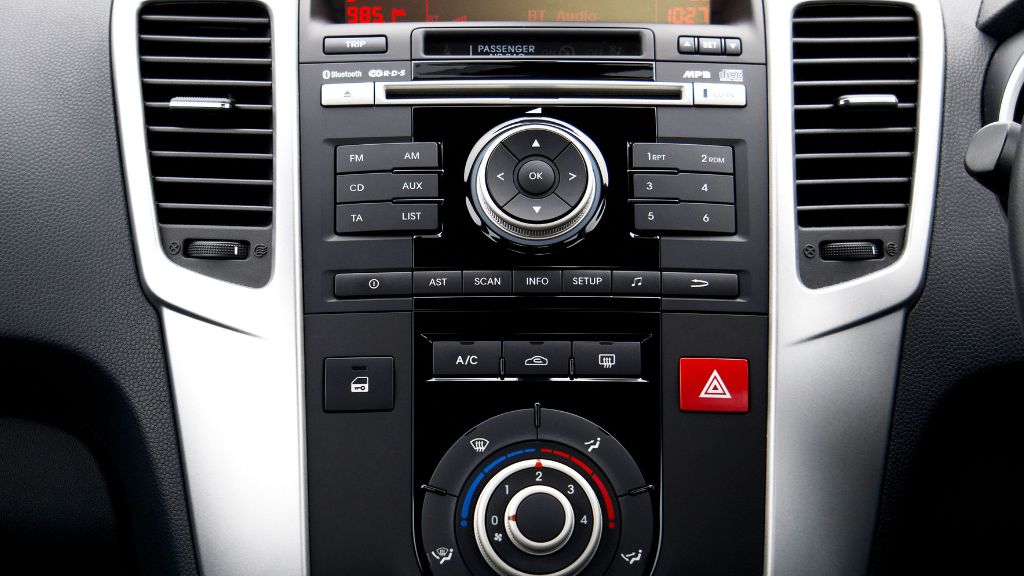
Self-check: Open bonnet, turn on AC, watch the compressor belt area. The outer pulley ring spins constantly (driven by the belt). When AC is on, the flat centre disc should also start spinning – this is the clutch engaging. If only the outer ring spins and the centre disc stays stationary – clutch is faulty.
Cost 2026: Compressor clutch repair or replacement: Rs. 1,500–4,500 depending on car model
Cause 5 – Expansion Valve Stuck or Clogged
The expansion valve controls the flow rate of refrigerant through the system. If it sticks open or closed – the refrigerant cycle loses its precise pressure balance, and cooling becomes intermittent or non-existent.
Symptoms: Intermittent cooling – AC works well for 20–30 minutes then warms up, then cools briefly, then warms again. This cycling pattern without any obvious cause points strongly to the expansion valve.
Fix: Requires workshop diagnosis with pressure gauges. Expansion valve replacement.
Cost 2026: Rs. 1,800–4,500 including labour
Cause 6 – Weak Blower Motor
If the blower motor is wearing out, airflow from the vents drops dramatically. The air coming out may be cold – but so little of it reaches you that the cabin never cools. This is commonly misdiagnosed as a refrigerant problem.
Symptoms: Very weak airflow even on the highest fan setting. Or one or more fan speed settings do not work at all. The air is cold but volume is too low.
Self-check: Cycle through all four blower speeds. If any speed is missing or noticeably weaker than it should be – the blower resistor (cheaper fix) or blower motor (more expensive) is failing.
Cost 2026: Blower resistor: Rs. 300–800 | Blower motor replacement: Rs. 1,200–3,500
Cause 7 – Cooling Fan Not Running
Behind the radiator is an electrically driven fan that forces air through the condenser when the car is stationary or moving slowly. If this fan fails – the condenser overheats in traffic and the AC system loses cooling capacity entirely in slow-moving conditions.
Symptoms: AC works fine on the highway, becomes noticeably warmer in traffic jams or when the car is parked with engine on.
Self-check: Open the bonnet with the engine running and AC on. Look at the fan behind the radiator. It should be spinning. If it is stationary – this is your problem.
Cost 2026: Cooling fan motor: Rs. 800–2,500 | Full assembly replacement: Rs. 1,500–4,000
Cause 8 – Duct Leak or Disconnected Vent
The AC ducts are plastic channels that carry cold air from the evaporator to the dashboard vents. In older cars or after rough road impacts, these can disconnect or crack. The air gets cold but escapes under the dashboard instead of reaching the vents.
Symptoms: Some vents blow cold, others blow warm or nothing. Or the driver’s side is cold while the passenger side is warm, or vice versa.
Fix: Dashboard removal and duct inspection – requires a workshop. Before going to the workshop, check all vent direction levers are in the open position – sometimes a closed vent mimics a duct problem.
Cost 2026: Rs. 500–2,500 depending on which duct and how accessible it is
Cause 9 – Cabin Temperature Sensor Fault
Modern cars with automatic climate control use a cabin temperature sensor to monitor interior temperature and adjust the compressor accordingly. A faulty sensor tells the system the cabin is already cool – so the compressor shuts off prematurely and the cabin stays warm.
Symptoms: Primarily affects cars with automatic AC (not manual knob AC). The compressor cycles on and off too frequently. AC feels cold briefly then cuts out.
Cost 2026: Sensor replacement: Rs. 800–2,500
Prioritised Action Plan – What to Check First
| Step | What to Check | DIY Possible? | Cost |
| 1 | Cabin air filter – inspect and replace if needed | Yes – 15 min no tools | Rs. 200–600 |
| 2 | Condenser – hose wash from front | Yes – garden hose | Free |
| 3 | Cooling fan – check if spinning (engine on, AC on) | Check only – DIY | Free to check |
| 4 | Compressor clutch – watch centre disc engaging | Check only – DIY | Free to check |
| 5 | Blower motor – test all speed settings | Check only – DIY | Free to check |
| 6 | AC refrigerant refill – if all above clear | Workshop needed | Rs. 1,300–3,500 |
What to Tell Your Mechanic to Save Money
When you visit a mechanic, be specific about what you observed. The more specific you are, the more accurate the diagnosis and the lower the bill:
- ‘AC cools for 15 minutes then warms up gradually’ → Refrigerant leak or expansion valve
- ‘AC works fine on highway but goes warm in traffic’ → Cooling fan failure
- ‘Cold air but very weak flow even on max speed’ → Cabin filter clogged or blower motor
- ‘Some vents cold, some blowing warm air’ → Duct disconnection or blend door
- ‘Belt area makes noise when AC turns on’ → Compressor clutch or belt tension
| IMPORTANT: Never simply ask to ‘refill the gas’ without asking for a leak test first. A responsible mechanic always pressure-tests the system before refilling (costs Rs. 200–500 extra). Refilling without fixing the leak means the same problem returns in 2–3 months. This is one of the most common unnecessary repeat expenses Indian car owners face with AC repairs. |
Frequently Asked Questions
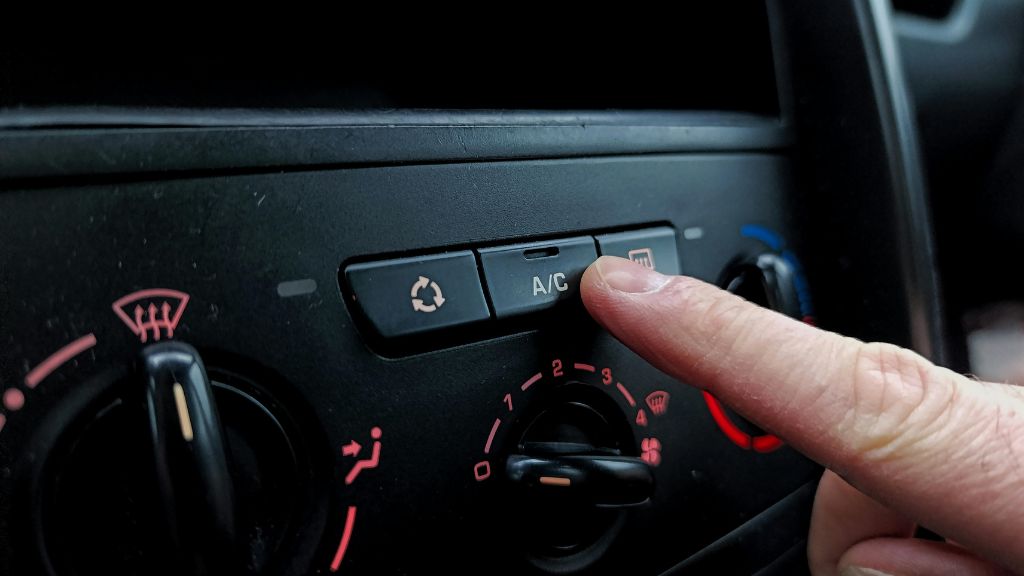
Q: How much does car AC gas refill cost in India in 2026?
Car AC gas refill costs Rs. 800–1,500 for R134a refrigerant in India in 2026. Newer cars using R1234yf refrigerant cost Rs. 2,500–4,500 for a refill. Total cost including leak detection and repair is typically Rs. 1,300–3,500 for R134a cars. Delhi, Mumbai and Bengaluru authorised workshops charge Rs. 1,200–1,800 for a standard refill. Always ask for a leak test before the refill — refilling without fixing the leak is money wasted.
Q: Why does car AC work fine in the morning but stop cooling by afternoon?
This is one of the most common Indian summer AC complaints. In the morning when ambient temperature is 25–30°C, a slightly low refrigerant charge or partially clogged condenser still manages to cool adequately. By afternoon at 42–45°C, the system is overwhelmed and the same borderline charge or partially blocked condenser cannot cope. If your AC follows this morning-good, afternoon-warm pattern — refrigerant is the primary suspect, followed by condenser cleaning.
Q: How often should car AC gas be refilled in India?
A properly sealed AC system should never need refrigerant refilling — it is a closed system. If you are refilling refrigerant every 1–2 years, there is a leak that has not been fixed. Get the leak repaired, not just the gas refilled. In a leak-free system, refrigerant can last 5–8 years without needing attention.
Q: Car AC compressor replacement cost in India?
Car AC compressor replacement is India’s most expensive AC repair: Rs. 8,000–35,000 depending on the car. Maruti and Tata economy cars: Rs. 8,000–15,000. Mid-size cars (Creta, Nexon): Rs. 12,000–22,000. Premium cars: Rs. 25,000–40,000. Before replacing the compressor, always check if only the clutch assembly needs replacement (Rs. 1,500–4,500) — it is a very common misdiagnosis that costs people significantly more money than needed.
Q: Is it safe to drive with car AC not working in Indian summer?
Technically safe for the car — but a genuine health risk for occupants in severe heat. In a sealed car at 45°C ambient temperature without AC, cabin temperature can reach 55–60°C within 15 minutes. This causes heat exhaustion risk for adults and is genuinely dangerous for children and elderly passengers. If AC cannot be fixed immediately, drive with windows open, use a dashboard sunshade when parked, and avoid driving during peak afternoon heat (12–4 PM) until the AC is repaired.