Stellantis has issued one of the largest automotive recalls of 2026. Over 1 million Jeep Wrangler and Gladiator vehicles from model years 2021–2025 are being recalled due to a wiring fault that can cause a fire — even when the vehicle is parked and the engine is completely off. Here is everything owners need to know right now.
What Happened — The Recall in Plain English
On July 7, 2026, Stellantis’s FCA US arm issued an official recall covering exactly 1,076,999 vehicles — all Jeep Wrangler and Gladiator trucks manufactured between 2021 and 2025. The recall was registered with the National Highway Traffic Safety Administration (NHTSA) under recall number 26V-XXX.
The root cause: A wiring fault in the electric hydraulic power steering pump. The wiring harness connected to this pump can chafe, corrode, or develop a fault over time. Because the steering pump’s electrical circuit remains live even when the vehicle is switched off — to provide instant power steering boost when the key is turned — a faulty harness can arc and ignite nearby combustible materials even when the Jeep is sitting parked in your driveway or garage.
As of the recall announcement, NHTSA has confirmed 51 separate vehicle fires and one injury directly linked to this defect. There have been no fatalities reported, but the potential for serious property damage and personal injury is the reason Stellantis and NHTSA took emergency action.
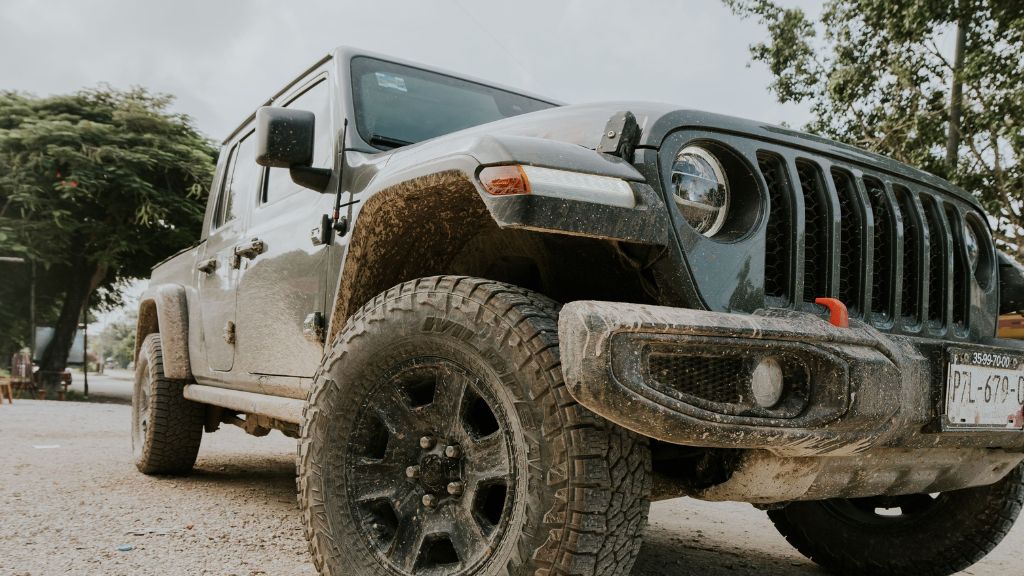
Which Vehicles Are Affected — Full List
Jeep Wrangler (JL Generation)
- 2021 Jeep Wrangler — all trim levels (Sport, Willys, Sahara, Rubicon, Rubicon 392)
- 2022 Jeep Wrangler — all trim levels
- 2023 Jeep Wrangler — all trim levels
- 2024 Jeep Wrangler — all trim levels
- 2025 Jeep Wrangler — all trim levels including the 4xe plug-in hybrid variants
Jeep Gladiator (JT Generation)
- 2021 Jeep Gladiator — all trim levels (Sport, Willys, Overland, Mojave, Rubicon)
- 2022 Jeep Gladiator — all trim levels
- 2023 Jeep Gladiator — all trim levels
- 2024 Jeep Gladiator — all trim levels
- 2025 Jeep Gladiator — all trim levels
Combined, this covers virtually the entire current-generation Wrangler and Gladiator production run in the United States. If you own a Wrangler or Gladiator from any of these model years, your vehicle is almost certainly included in this recall.
The Science Behind the Fire Risk — Why a Parked Car Can Catch Fire
Most people assume a car can only catch fire when it is running. The Jeep Wrangler and Gladiator recall challenges that assumption, and understanding why requires a quick look at how electric power steering works in modern vehicles.
Traditional power steering systems used a hydraulic pump driven directly by the engine via a belt — meaning the pump only operated when the engine was running. The current Jeep Wrangler and Gladiator use an Electric Hydraulic Power Steering (EHPS) system, where an electric motor drives the hydraulic pump rather than a belt from the engine. This system is preferred because it works independently of the engine, provides consistent steering feel, and improves fuel efficiency.
However, the EHPS pump’s electrical circuit is designed to remain energized at all times — even when the ignition is off — so it can provide instant hydraulic pressure the moment you turn the key. This design choice creates a vulnerability: if the wiring harness supplying current to the pump develops a fault — through chafing against a bracket, moisture intrusion, or connector corrosion — it can arc. An electrical arc in a live circuit generates intense localized heat, more than enough to ignite the plastic sheathing on the wiring harness, nearby rubber hoses, or other combustible materials in the engine compartment.
That is exactly what NHTSA believes happened in the 51 confirmed fires: the faulty harness arced, ignited surrounding materials, and the fire spread. Because the vehicle was parked and unattended in many cases, the fire was able to grow before anyone noticed.
NHTSA’s Official Warning — What They Are Telling Owners
⚠️ NHTSA’s official guidance as of July 7, 2026: Do NOT park your Wrangler or Gladiator inside a garage, enclosed parking structure, or near any building or flammable structure until the recall repair has been completed.
This is an unusually severe warning from the safety regulator. NHTSA typically reserves this level of guidance — park-outside warnings — for defects with a documented history of fires or injuries, which this recall clearly has. The agency’s specific language: park outside, away from structures and other vehicles, until repairs are available.
Owner notification letters are being mailed starting July 9, 2026. If you own an affected vehicle, you should receive a letter from Stellantis/Jeep within 60 days of that date. However, given the seriousness of the defect, do not wait for the letter — check your VIN immediately.
How to Check If Your Jeep Is Affected — Step by Step
- Locate your VIN (Vehicle Identification Number). It is printed on a sticker on the driver’s side door jamb, on your insurance card, and on the dashboard visible through the windshield at the bottom left corner.
- Go to the official NHTSA recall lookup website: nhtsa.gov/recalls — this is free and official, do not use third-party sites.
- Enter your 17-digit VIN in the search box and click ‘Search.’
- If your vehicle appears under the recall results, note the recall number and the recommended action.
- Alternatively, call Stellantis/Jeep customer service at 1-800-853-1403 and provide your VIN — they can confirm if your vehicle is included and add you to the repair waitlist.
You can also use the Jeep app if you have it installed — push notifications about recalls will appear in the app for linked vehicles.
What the Fix Is — And When It Will Be Available
Stellantis engineers have identified the fix: replacement of the affected wiring harness section near the EHPS pump, along with a protective sleeve to prevent future chafing. In some cases, a new pump connector assembly will also be installed.
The repair is expected to be performed by Jeep dealerships at no cost to owners. Parts supply is the primary concern — with over one million vehicles affected, dealers may face short waits for the correct harness assemblies to arrive. Stellantis has confirmed that parts production has been prioritized and supplies should reach dealerships by late July 2026.
Estimated repair time at dealership: 2–3 hours including inspection, wiring replacement, and verification testing. No special tools or alignment procedures are required after the fix.
💡 Schedule your appointment at your Jeep dealership immediately — do not wait. With over 1 million vehicles affected, dealer appointment slots will fill up fast. Call today and ask to be placed on the priority list for the recall repair. Mention recall reference number 26V-XXX when calling.
What Should You Do Right Now — 5 Immediate Actions
- CHECK YOUR VIN: Go to nhtsa.gov/recalls and enter your VIN right now, before doing anything else.
- STOP PARKING IN THE GARAGE: If your Jeep is affected, park it outside and away from your home until the repair is done. Do not leave it inside any enclosed structure overnight.
- CALL YOUR DEALER TODAY: Schedule a recall repair appointment. Ask for the earliest available slot.
- CONTACT YOUR INSURANCE: Notify your car insurance company that your vehicle is subject to an active recall. Ask if they have any temporary provisions for recall-related incidents.
- MONITOR FOR SMOKE OR BURNING SMELL: If you must drive the vehicle before repair, immediately pull over and exit if you smell burning plastic or electrical odor. Call 911 and do not re-enter the vehicle.
The Bigger Picture — Jeep’s Recall History in 2026
This Wrangler and Gladiator recall is the largest single recall of 2026 for Stellantis, but it is not the company’s first major safety action this year. Jeep has faced several significant quality concerns with the current Wrangler JL generation, which critics have pointed out has a higher-than-average recall rate compared to its predecessor.
Industry analysts note that the shift from traditional hydraulic power steering to electric hydraulic systems — made to improve fuel economy and reduce maintenance — has created new failure modes that were not present in older Jeeps. The EHPS system itself is reliable in most cases, but the wiring harness routing in the JL and JT chassis creates a chafe-prone vulnerability that Stellantis failed to adequately address during production.
For the Jeep brand, this recall comes at a difficult time. Wrangler sales have been under pressure from the resurgent Bronco from Ford and the new Toyota Land Cruiser. A major fire-risk recall affecting virtually every current-generation Wrangler and Gladiator on the road will put additional pressure on dealerships and could impact resale values in the short term.
That said, Jeep’s loyal fanbase has historically remained remarkably brand-faithful through recalls and controversies. The iconic Wrangler body-on-frame design, unique open-air driving experience, and unmatched off-road capability ensure that demand remains strong even through safety headaches like this one.
Frequently Asked Questions
Can I still drive my Jeep Wrangler or Gladiator during the recall?
NHTSA has not issued a do-not-drive order — the fire risk is primarily associated with the vehicle being parked. You can continue to drive your vehicle but should avoid parking it in any enclosed space or near structures. Get the repair done as quickly as possible.
Will Jeep provide a loaner car while my vehicle is being repaired?
Policies vary by dealership. Call your dealer and ask — many Jeep dealers offer loaner vehicles for recall repairs, especially given the severity of this one. Stellantis has instructed dealers to prioritize affected customers.
Does this recall affect the Jeep Wrangler 4xe plug-in hybrid?
Yes. The 4xe variants of both the Wrangler and the Gladiator are included in the recall if they fall within the 2021–2025 model year range. The EHPS pump wiring concern is present regardless of powertrain type.
Will this recall affect my vehicle’s resale value?
A completed recall repair generally does not negatively impact resale value — the repair is documented in the vehicle’s history and shows the safety concern has been addressed. An unrepaired recall, however, can reduce resale value. Get it fixed before selling.
Final Word — Do Not Delay
The Jeep Wrangler and Gladiator recall of 2026 is serious. Fifty-one confirmed fires in parked vehicles is not a hypothetical risk — it is a documented pattern that has already caused property damage and personal injury. Stellantis and NHTSA have acted appropriately in issuing an urgent recall, but the speed of your repair depends on you acting fast.
Check your VIN today. Park outside tonight. Call your dealer first thing tomorrow morning. The repair is free, fast, and will remove a genuine risk from your life and your property.