Motorcycle riding offers a quality of freedom and engagement that no other form of transportation quite matches. The wind, the lean angles, the intimate connection between rider and machine – these qualities draw millions of Americans to motorcycling every year. But those same qualities that make riding so rewarding also create genuine risks that demand respect, preparation, and consistent attention.
According to the National Highway Traffic Safety Administration, motorcyclists are approximately 24 times more likely per mile traveled to die in a crash than passenger car occupants. The difference between a safe, experienced rider and a statistic is almost always preparation, gear quality, and decision-making. This guide gives you the foundation to stack every possible advantage in your favor.
Gear: The Layer Between You and the Pavement
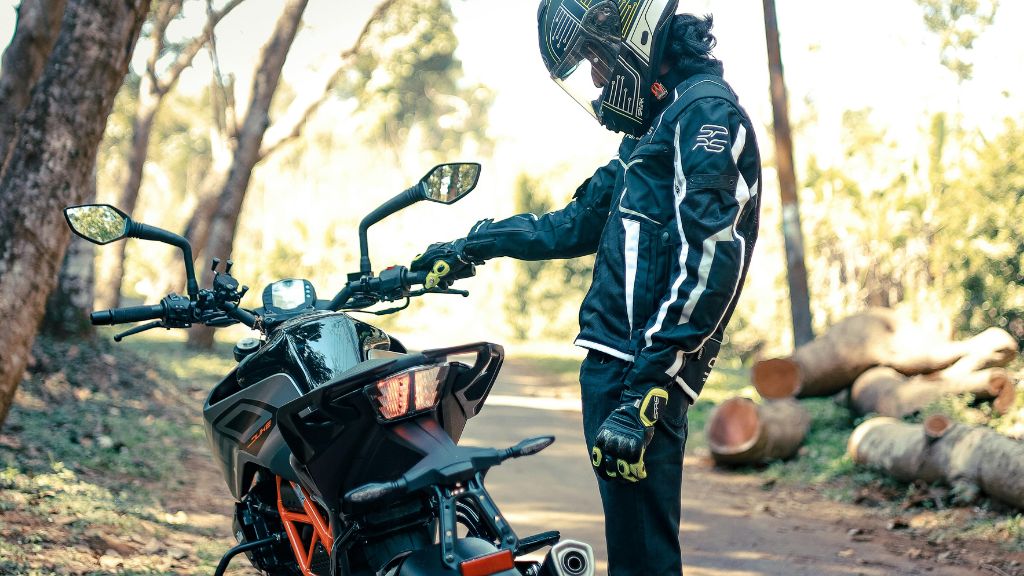
The most important motorcycle safety decision you make happens before you ever start the engine: what you choose to wear. Every piece of protective gear has a specific function and a specific limit. Understanding both helps you choose equipment appropriate to your riding style and conditions.
Helmets: Your Single Most Important Investment
A quality helmet is non-negotiable. In states without universal helmet laws, inexperienced riders are sometimes tempted to ride without one – the consequences of that choice in an accident are catastrophic and irreversible. Helmets certified to both DOT and ECE 22.06 standards provide the strongest available protection. SNELL certification adds a third layer of testing verification.
Full-face helmets provide the most complete protection and should be the default choice for anyone riding at highway speeds. The chin bar alone prevents or significantly reduces a large percentage of helmet-impact injuries. Modular helmets offer the convenience of an open face at low speeds while providing full-face protection in an emergency – ensure any modular helmet you consider is rated for riding with the chin bar closed.
Replace a helmet after any significant impact, even if external damage is not visible. Helmet foam is designed to crush and absorb energy during an impact, which means it is no longer effective after doing its job. Also replace helmets that are more than five years old – the foam liner degrades over time even without impacts.
Riding Jacket and Pants: Not Just for Looking Cool
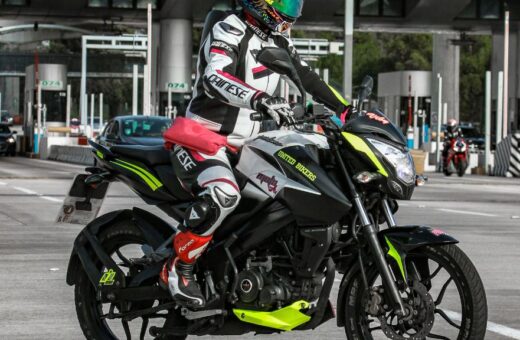
Modern motorcycle jackets are sophisticated safety equipment. Look for jackets with CE Level 2 armor – the highest rating – at the shoulders, elbows, and spine. Abrasion-resistant materials matter significantly; the speed at which unprotected skin reaches road rash injuries is much lower than most riders expect. At 30 mph on pavement, unprotected skin is effectively sanded away in under a second.
Dedicated motorcycle pants with hip and knee armor provide protection for one of the most common injury sites in low-speed crashes. Leather provides the best abrasion resistance. High-quality textile jackets and pants with reinforced panels in high-impact zones offer comparable protection with greater weather versatility – important for riders who use their bikes year-round.
Defensive Riding: The Mindset That Keeps You Alive
The Visibility Problem
Studies consistently show that many motorcycle accidents occur because other drivers simply do not see the motorcycle before impact. The front profile of a motorcycle is dramatically smaller than a car, and it can disappear entirely in a driver’s blind spot. Operating with this awareness fundamentally changes how you position yourself in traffic.
Never linger in a vehicle’s blind spot – move through it briskly and establish yourself where you are clearly visible in the driver’s mirrors or ahead of the vehicle. Position yourself within your lane to maximize your visibility to oncoming traffic and vehicles approaching from side streets. Lane positioning is one of the most powerful tools a motorcyclist has, yet many riders simply pick the center of their lane and stay there regardless of conditions.
The SIPDE Framework
Scan, Identify, Predict, Decide, Execute – this five-step mental framework, taught in MSF safety courses, structures hazard awareness into a practical decision-making process. Scanning means actively looking 15 to 20 seconds ahead of your current position rather than focusing on the road immediately in front of the wheel. Identifying means recognizing potential hazards: a gap in parked cars where a pedestrian might emerge, a vehicle waiting to turn across your path, gravel on a corner.
Predicting means anticipating the worst reasonable outcome of each identified hazard. Deciding means choosing your response – speed adjustment, lane positioning change, or escape route identification. Executing means carrying out that decision smoothly and in time. Riders who consistently apply SIPDE report dramatically fewer close calls and have measurably better accident avoidance records.
Speed and Space: Your Safety Buffer
Motorcycles can stop quickly, but stopping distance still requires space. The most dangerous mistake riders make in traffic is following other vehicles too closely, which eliminates the time and space needed to react when the vehicle ahead brakes unexpectedly. A following distance of at least three to four seconds – double what is considered safe for cars – provides meaningful reaction time.
Speed management relative to the hazard environment matters more than absolute speed. A rider at 45 mph on a canyon road with zero escape routes and blind corners is in a more dangerous situation than a rider at 70 mph on a straight interstate with clear sightlines. Match your speed to your ability to identify and respond to hazards within the distance you can see.
Weather and Road Surface Awareness
Rain dramatically reduces motorcycle tire traction – both contact patch size and the coefficient of friction between rubber and wet pavement decrease significantly in wet conditions. Reduce speed before turns in rain, increase following distances, and be particularly cautious in the first 15 to 20 minutes of rain when oil and dust on the road surface mix with water to create extremely slippery conditions.
Sand, gravel, or leaves on the road surface can eliminate traction completely in corners. When approaching corners where debris might exist – near construction sites, rural roads in autumn, mountain hairpin turns – reduce speed significantly before the turn and carry minimal lean angle. If you encounter unexpected debris mid-corner, the best response is usually to stay smooth and consistent rather than abrupt braking or steering corrections.
Advanced Skills Training: The Best Investment You Can Make
The Motorcycle Safety Foundation’s Basic RiderCourse is the starting point, but experienced riders benefit enormously from continuing education. The MSF Advanced RiderCourse teaches emergency braking, corner entry technique, and hazard avoidance in a controlled environment where making mistakes has no consequences beyond minor embarrassment.
Track days specifically designed for motorcycles offer the opportunity to develop skills at speeds impossible on public roads, with experienced instructors providing individualized feedback. The skills learned at a track – smooth throttle and brake application, precise line selection, maintaining a smooth visual line through corners – transfer directly to improved safety on the street.
Fatigue and Impairment: When to Stop Riding
Motorcycle operation demands sustained concentration at a level that automobile driving simply does not require. Fatigue significantly impairs reaction time, judgment, and physical coordination – all critical factors in motorcycle control. Recognize the signs of riding fatigue: difficulty maintaining lane position, slower-than-normal reaction to hazards, reduced ability to process multiple simultaneous inputs. When these signs appear, stop. No destination is worth the risk of riding fatigued.

Alcohol and motorcycles are a deadly combination. Impaired riders appear at a dramatically disproportionate rate in fatal motorcycle accident statistics. The decision to ride impaired is not a personal risk decision alone – it endangers everyone in your path. Arrange alternative transportation, period.