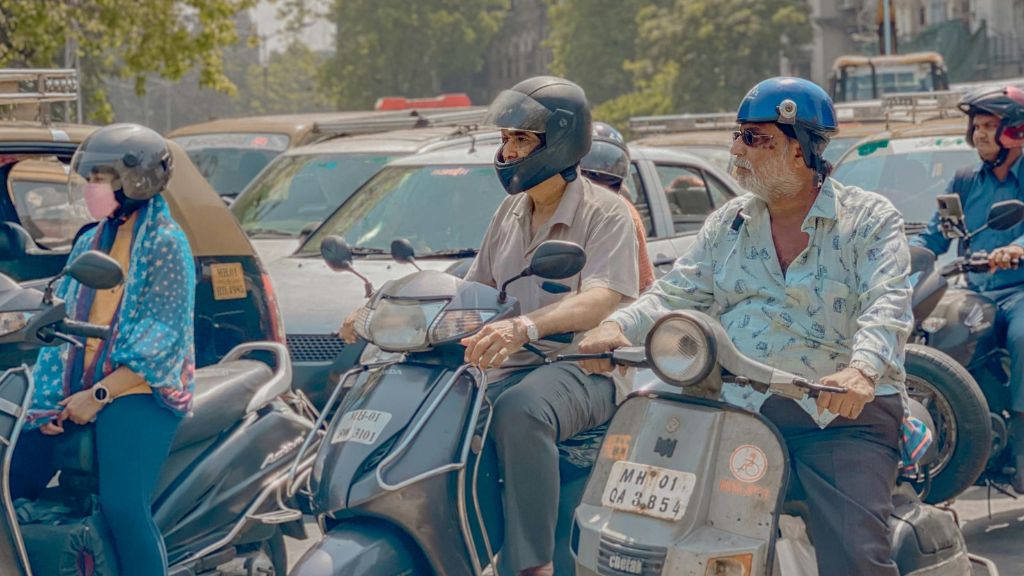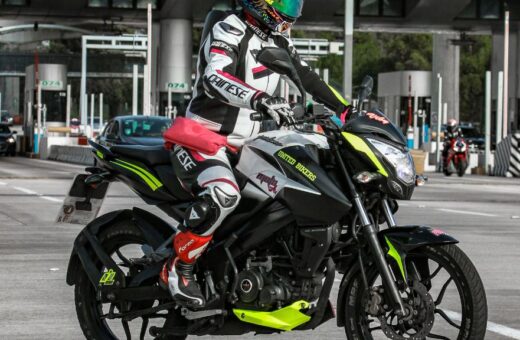
India loses over 60,000 lives annually in road accidents – and a significant portion are two-wheeler riders who weren’t wearing helmets, or wore substandard ones. Beyond the legal requirement, a good helmet is the single most important safety investment a rider can make. In 2026, helmet laws are stricter, fines are higher, and quality standards have improved. Here’s everything you need to know.
Helmet Fine in India 2026 – How Much Will You Pay?
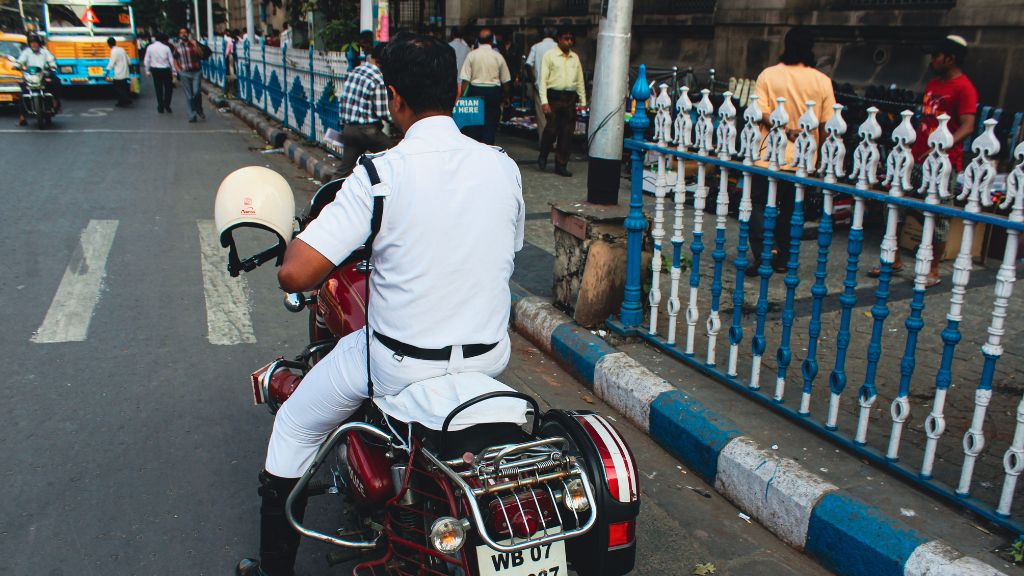
Under the Motor Vehicles (Amendment) Act, riding without a helmet attracts:
– Fine: ₹1,000 (first offence)
– Licence suspension: 3 months
– Pillion without helmet: Also chargeable (₹1,000)
– Sub-standard/non-ISI helmet: Chargeable in several states
E-challans are issued via CCTV cameras in most cities – the notice arrives home even if you weren’t stopped. State-wise fines vary: Delhi ₹1,000 | Maharashtra ₹500-1,000 | Karnataka ₹1,000 | Tamil Nadu ₹500.
ISI vs DOT vs ECE – Which Standard Matters?
ISI Mark (BIS IS 4151): Mandatory standard in India. Helmets sold without ISI are technically illegal for road use.
DOT (FMVSS 218 – USA): Stricter than ISI in impact absorption tests. More reliable if genuinely DOT-certified.
ECE 22.06 (Europe): The most updated and stringent standard globally. Tests at multiple angles, penetration, and retention.
Best combination to look for: ISI + ECE 22.06 certified.
Caution: Fake ISI stickers are common. Buy from reputed brands (Steelbird, Vega, Studds, LS2, MT) and authorised dealers only.
Best Helmets in India 2026 – By Budget
Under ₹1,500 (Budget):
– Studds Ninja Super: ISI certified, decent build for daily commute.
– Vega Crux: Lightweight, good ventilation, ISI mark.
₹1,500–₹4,000 (Mid-range):
– Steelbird SBA-1 Free: ISI+ECE, great value, widely available.
– LS2 FF320 Stream: ISI+ECE, full-face, excellent ventilation.
₹4,000–₹10,000 (Premium):
– MT Thunder 4 SV: ECE 22.06, well-reviewed globally, now made available in India.
– LS2 FF800 Storm: Top-tier safety, quiet at speed, excellent padding.
₹10,000+ (Pro):
– Arai RX-7V EVO: Best safety money can buy. Used by MotoGP riders.
Full Face vs Open Face vs Half Helmet – Safety Reality
Half Helmet (Skull Cap): Covers the top only. Protects from 10–15% of accident impact zones. Not recommended even for city riding.
Open Face (3/4): Covers top, sides, and back. No chin protection – 35–40% of facial injuries in accidents involve the chin and jaw.
Full Face: Covers everything. Provides protection across 80–85% of the head area at risk in accidents.
Modular (Flip-Up): Convenient but slightly less rigid than full-face at the chin bar. Good for touring.
Recommendation: Always wear full face. For highway riding, it’s non-negotiable.
Helmet Maintenance – When to Replace
Replace after any impact, even a drop from head height – EPS liner damage is invisible externally.
Replace every 5 years regardless of condition – EPS foam degrades over time from sweat, UV, and chemical exposure.
Cleaning: Use mild soap and water. Never petrol, acetone, or strong chemicals – they degrade the EPS liner.
Visor care: A scratched visor reduces night visibility – replace it (costs ₹200–600 for most brands).
Fit check: Helmet should feel snug but not painful. Strap must be fastened at all times – an unfastened helmet flies off in an accident.
Final Verdict: A ₹2,000–₹3,000 ISI+ECE certified full-face helmet is not an expense – it’s insurance for your skull. The ₹1,000 fine is the least of your worries; the real cost of a head injury is permanent. Buy from a reputed brand, check the ISI authenticity, always strap up, and replace it every 5 years or after any impact.