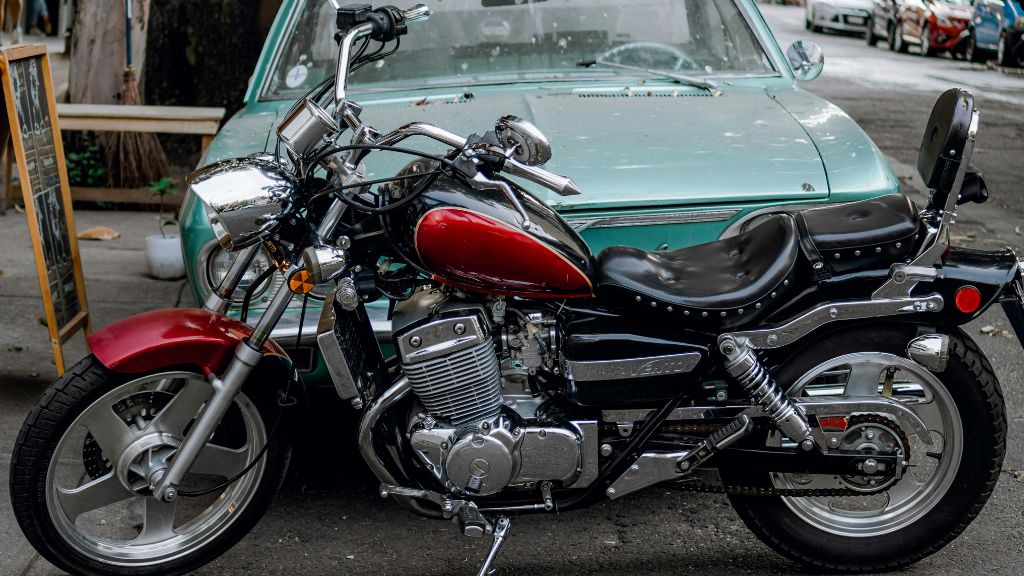
A friend had his Royal Enfield Thunderbird seized at a Noida police checkpoint. The modification: an aftermarket exhaust installed at an RE authorized dealer, receipt in the glovebox. It did not matter. The exhaust was not in his RC, it altered the sound level, and the officer had legal authority to seize. He got his bike back after 11 days and Rs 12,000 in fines and fees. This guide tells you exactly which side of the legal line every common modification sits on.
The Legal Framework – Supreme Court Order and Motor Vehicles Act
The Supreme Court of India issued a landmark order in 2019 (Civil Appeal No. 5765 of 2019) clarifying vehicle modification legality in India. The key ruling: no vehicle can be altered from manufacturer’s original specification without prior approval of the relevant authority. Central Motor Vehicles Rules 1989, Rule 126, prohibits alterations affecting structural strength, performance, or safety characteristics.
In practice: if it is not in your RC as a manufacturer-specified feature or an approved modification, it is technically illegal. Enforcement varies by state and officer, but the legal risk – vehicle seizure, fine, insurance voided – is real.
Modifications That Are 100% Legal (No Approval Needed)
- Seat covers – any design that does not permanently alter seat structure
- Floor mats – rubber or fabric, any design
- Steering wheel cover – does not alter mechanism
- In-dash infotainment replacement – replacing factory stereo with aftermarket unit
- Window tinting – with exception: front windscreen must maintain 70% VLT, front side windows 50% VLT
- Roof rails and carriers – within manufacturer’s approved specifications
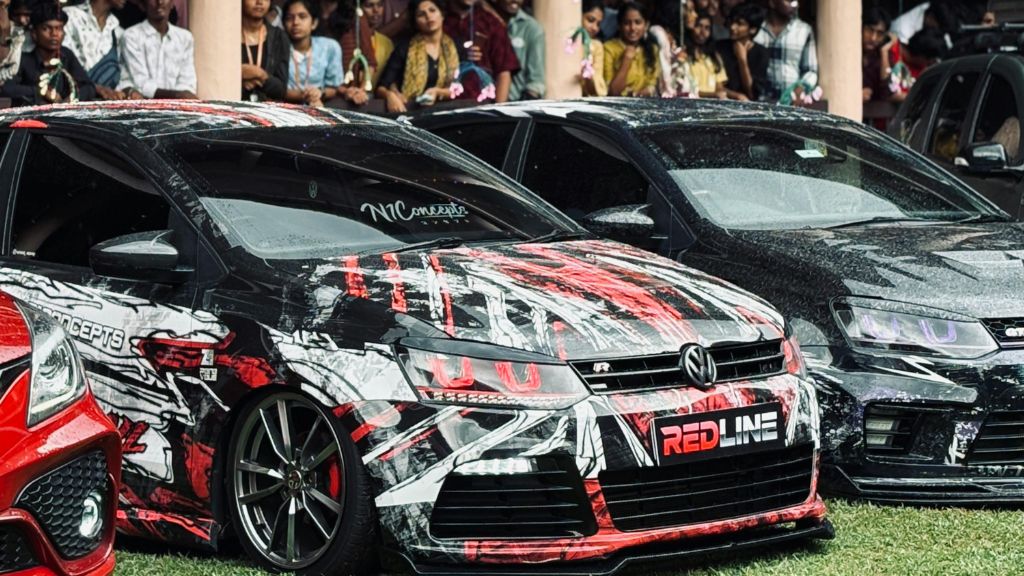
- Vehicle wraps and cosmetic decals – as long as they do not misrepresent the RC colour category
Modifications That Require RTO Approval (Grey Zone)
- LPG or CNG kit installation – requires certified kit, authorized fitter, and mandatory RC endorsement
- LED headlight replacement – must meet legal beam pattern and intensity standards
- Suspension lift kits – changes ground clearance or stance, requires approval
- Tyre size changes – significantly wider or taller than stock requires RTO approval
- Engine modifications – camshaft, ECU remapping, turbo installation require category approval
- Full vehicle colour change – requires RC endorsement within 30 days
Clearly Illegal Modifications in India
| Modification | Why Illegal | Consequence |
| Loud aftermarket exhaust | Violates noise pollution norms | Seizure + fine + deregistration risk |
| Pressure horns / air horns | Explicitly banned by MV Act | Fine Rs 500–2,000 + removal |
| Darkly tinted windows (front) | Below legal VLT limits | Fine + immediate removal required |
| Red/blue emergency lights | Reserved for authorized vehicles | Seizure + criminal charges |
| Undercar neon lighting | Distraction to other drivers | Fine + light removal |
| Number plate font/size change | Violates HSRP regulations | Fine Rs 500–5,000 |
| Chassis number tampering | Criminal offence | Arrest + vehicle seizure |
The Aftermarket Exhaust Problem
Aftermarket exhausts are the most commonly installed illegal modification on Indian motorcycles – particularly Royal Enfield, KTM, and Bajaj Dominar owners. The law is clear: any exhaust producing more than 80 dB (for bikes above 80cc) is illegal, regardless of where it was purchased. Many dealers market exhausts as ‘road legal’ – this refers to build quality, not legal status in India. Installing it on your bike without RC endorsement remains technically illegal.
How to Legally Modify Your Vehicle
- Get full technical documentation from the modification manufacturer
- Visit your regional RTO with modification request, specifications, and Form 20 application
- Get the modification approval stamped in your RC – the step most modifiers skip
- Have modification carried out by a certified registered workshop
- Get a compliance certification from the workshop
- Inform your insurance company – undisclosed modifications can void claims
Frequently Asked Questions (FAQ)
Q: If RE installs a modification at their dealership, is it legal?
A: Manufacturer-installed modifications listed in the vehicle’s original homologation papers and reflected in the RC are legal. If it is reflected in your RC at the time of purchase, it is legal. Post-purchase modifications without RC endorsement are not.
Q: Can I install a dashcam legally?
A: Yes. Dashboard cameras are legal as personal recording devices and do not require RTO approval. The camera must not obstruct forward vision.
Q: Will modifying my vehicle void insurance?
A: Potentially yes. Undisclosed modifications that affect performance, safety, or value give insurers grounds to deny claims where the modification contributed to an accident. Always disclose significant modifications in writing to your insurer.