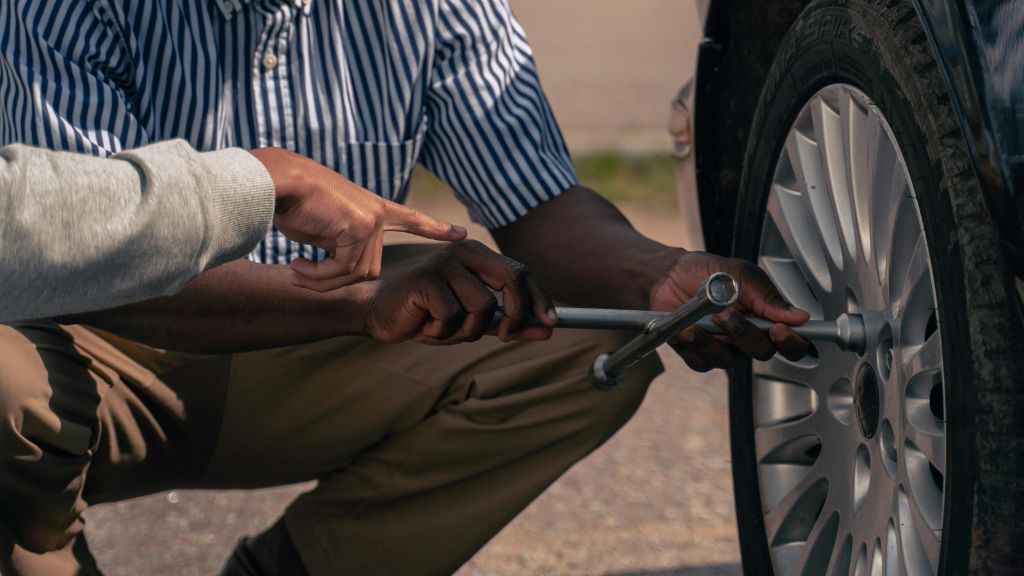
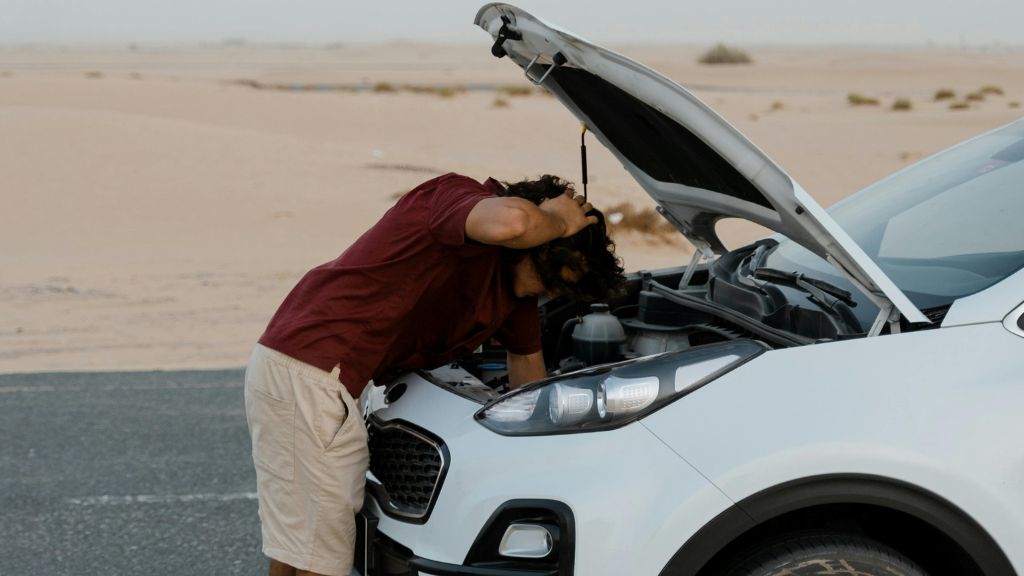
It was 11:47 PM on NH-48, 90 km from the nearest city, when my front tyre blew. No spare (tubeless repair kit was at home). No cell service for 15 minutes. When I finally got a bar of signal, I called three different numbers from the car’s service manual before someone answered. The tow truck arrived at 2:15 AM. That night cost me ₹6,800 in towing and I missed an early morning meeting. I had been paying ₹450 more annually for roadside assistance add-on quotes and rejecting them to save money. This guide helps you make the call I clearly got wrong.
What Does Roadside Assistance Actually Cover?
Roadside Assistance (RSA) is a service – not insurance – that dispatches help when your vehicle breaks down or you have an emergency on the road. The core services across most plans:
| Service | Included in Basic Plans | Included in Premium Plans |
| 24×7 emergency helpline | Yes | Yes |
| Flat tyre change / tubeless repair | Yes – limited to X incidents/year | Yes – unlimited |
| Battery jumpstart | Yes | Yes |
| Emergency fuel delivery | Sometimes (fuel cost extra) | Usually (fuel cost extra) |
| Towing to nearest garage | Yes- up to 30–50 km | Yes – up to 100–300 km |
| Minor on-road repairs | Sometimes | Yes |
| Accommodation assistance | No | Yes- if car needs overnight repair |
| Alternate transportation | No | Yes – taxi reimbursement |
| Key lockout service | Sometimes | Yes |
| Relay of urgent messages | No | Sometimes |
RSA Plans Available in India 2026 – Comparison
| Provider | Type | Annual Cost (Car) | Annual Cost (Bike) | Towing Limit | Best Feature |
| Manufacturer RSA (e.g., Honda Care, Maruti RSA) | Manufacturer-linked | ₹800–₹2,500 | ₹300–₹800 | 50–100 km | Authorized workshop access |
| Insurance RSA Add-on (HDFC ERGO, Bajaj Allianz) | Insurance add-on | ₹400–₹900 | ₹150–₹400 | 30–50 km | Low cost, basic coverage |
| ACI Roadside Assistance | 3rd party standalone | ₹1,200–₹2,800 | ₹400–₹900 | 100+ km | Pan-India network, quick response |
| CARS24 RSA | 3rd party standalone | ₹999–₹1,999 | N/A | 50 km | Good app, 45-min SLA |
| GoMechanic Assist | App-based | ₹799–₹1,599 | ₹399–₹699 | 40 km | Transparent pricing, good app |
| Club Mahindra Motoring | Club membership | ₹3,500–₹6,000 | ₹1,500–₹2,500 | Unlimited | Luxury benefits, hotel assistance |
Manufacturer RSA vs Insurance Add-on vs Standalone – Which Is Best?
Each type has a specific advantage. Manufacturer RSA is best if your vehicle is under warranty and you want repairs done only at authorized service centres — the technicians dispatched know your specific model. Insurance add-on RSA is the cheapest option and adequate for urban driving where being stranded far from help is rare. Standalone third-party RSA offers the widest coverage (towing distances, services included) and is best for anyone who regularly drives highways or long distances.
Realistic Response Times – Setting Correct Expectations
RSA providers advertise response times like ’30 minutes’ or ’45 minutes’ -these are metro city averages. Reality in India:
- Metro cities (Mumbai, Delhi, Bangalore): 20–45 minutes for basic services is realistic
- State highways and tier-2 cities: 45–90 minutes is more common
- National highways in remote sections: 90 minutes to 3+ hours is possible
- Middle of the night: Add 30–60 minutes to any estimate
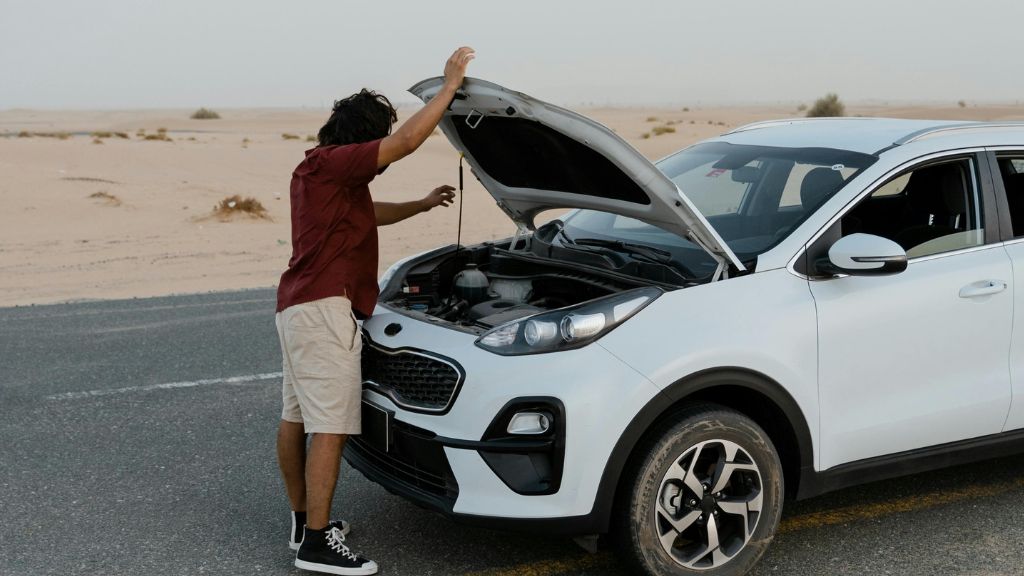
The towing network quality matters more than the response time headline. Ask specifically: what is your network coverage along [the route you commonly drive]? A premium plan with good rural coverage beats a cheap plan with strong metro response every time for a highway traveler.
What Most People Don’t Know About RSA Plans
- Incident limits: Many basic plans cover only 3–5 incidents per year. If you have a problematic older vehicle, you may exhaust this quickly.
- Towing destination choice: Some plans tow only to the nearest garage, not the garage of your choice. Premium plans allow you to specify your preferred authorized service centre.
- Fuel delivery: Almost all RSA plans deliver fuel but charge you for the fuel itself at market rates plus a small delivery fee. This is still vastly better than being stranded with an empty tank.
- Concurrent incident waiting period: If you’ve just used your RSA plan and need it again within 7–15 days, some plans have waiting periods between claims. Check your plan’s terms.
- Geographic restrictions: Some cheaper plans exclude North-East India, J&K, Andaman & Nicobar, and other remote territories. If you travel there, ensure your plan explicitly covers these regions.
RSA for Bikes -Is It Worth It?
Two-wheeler RSA is significantly cheaper than car RSA – typically ₹150–900 annually depending on the plan. The question of whether it’s worth it depends on your riding pattern.
For city commuters on a modern bike: basic breakdown scenarios (puncture, battery, chain break) can usually be resolved by any nearby roadside mechanic within walking distance. RSA has lower utility. For touring riders who regularly do 300–500 km trips on highways: RSA is absolutely worth it. Being stranded on a remote highway with a seized engine without a recovery plan is a genuinely dangerous situation.
| Rider Type | Typical Annual km | RSA Utility | Recommended Plan |
| City commuter only | 5,000–12,000 km | Low | Insurance add-on (₹150–300/yr) |
| Mixed city + occasional highway | 10,000–20,000 km | Medium | Insurance add-on or basic standalone |
| Regular highway tourer | 20,000–40,000 km | High | Standalone plan (₹400–900/yr) |
| Long-distance adventure rider | 40,000+ km | Very High | Premium standalone with unlimited towing |
How to Use Your RSA Plan Effectively (When the Breakdown Happens)
- Save your RSA helpline number in your phone before you need it -not the time to search for it
- When calling, provide: your exact location (use GPS coordinates from Google Maps – say what you see), vehicle make/model/registration, nature of the problem (flat tyre, battery dead, engine breakdown, accident)
- Get a service request number from the operator – this is your tracking reference
- Stay with your vehicle if it’s daytime and visible; move to a safer distance if on a fast highway at night
- Take photographs of your vehicle’s situation before the tow truck arrives – useful for any subsequent insurance or warranty claim
- Get a written acknowledgment from the RSA operator of the service provided and garage where the vehicle is being taken
Frequently Asked Questions (FAQ)
Q: Is roadside assistance the same as motor insurance?
A: No. They are completely separate products. Motor insurance covers financial losses from accidents, theft, and damage. Roadside assistance is a service contract that dispatches physical help when you break down. They complement each other but neither substitutes for the other.
Q: Does RSA cover accident recovery?
A: Most RSA plans cover towing after an accident (moving the vehicle from the accident site to a garage or safe location). However, the repair costs are covered by your motor insurance, not RSA. The RSA plan simply provides the logistics support.
Q: Can I use RSA if I run out of fuel?
A: Yes — fuel delivery is a standard service in most RSA plans. The plan covers the service of delivering fuel to your location; you pay for the fuel itself at current petrol pump rates plus a small delivery surcharge (typically ₹50–150).
Q: What happens if my RSA provider can’t reach me within their promised time?
A: Most RSA plans include a compensation clause (typically ₹500–2,000) if they fail to meet their stated response time. However, force majeure events (floods, natural disasters, extreme traffic) are typically excluded. Read the SLA commitment and compensation terms before purchasing.