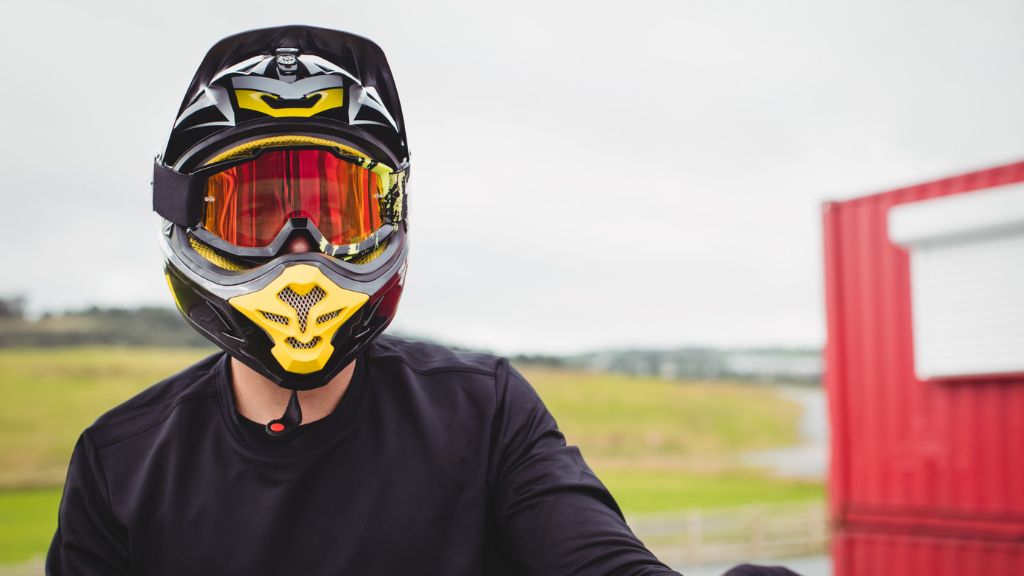
My brother-in-law walked away from a 60 kmph collision on the Bhopal-Indore highway last year. Not a scratch on his head. The helmet – a mid-range full face he had almost not bought because it was Rs 1,200 more than the open face he originally wanted – absorbed an impact that would have been fatal. I have recommended helmets to people for years, but that phone call changed how seriously I talk about this. Here is everything you need to know before buying a helmet in India in 2026.
Why Helmet Quality Is a Life-or-Death Decision on Indian Roads
India accounts for approximately 11% of global road accident deaths despite having only 1% of the world’s vehicles. Two-wheeler riders make up nearly 45% of all road fatalities. The single most effective intervention is wearing a certified, properly fitted helmet on every ride. The problem is not awareness — most Indian riders know helmets matter. The problem is that a significant percentage of helmets sold in India are poorly constructed, fail basic impact tests, and provide the psychological comfort of wearing a helmet without actual protection.
Helmet Safety Certifications – ISI, DOT, ECE and What They Actually Mean
| Certification | Testing Authority | Standard Level | Required in India | Best For |
| ISI (IS:4151) | Bureau of Indian Standards | Basic minimum | Yes – legally mandatory | Entry-level legal compliance |
| DOT (FMVSS 218) | US Dept of Transportation | Good – better than ISI | No | Mid-range riders, trusted widely |
| ECE 22.06 | UN Economic Commission Europe | Excellent – rigorous 2022 standard | No – global gold standard | Highway and touring riders |
| SNELL M2020 | Snell Memorial Foundation | Highest – motorsport grade | No | Racing and serious tourers |
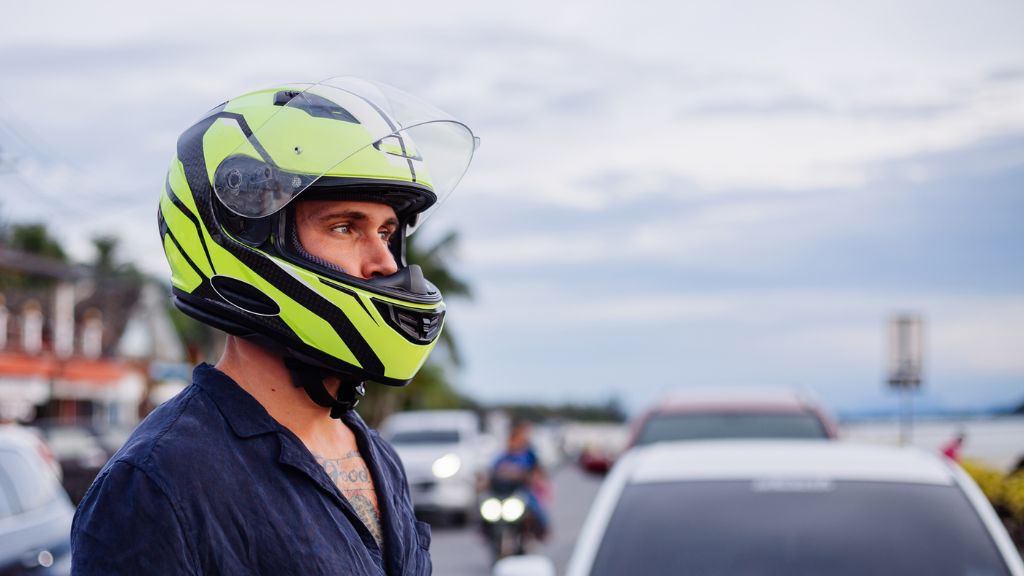
Minimum advice: never buy a helmet without at least ISI certification. Ideal advice: spend a bit more and get an ECE 22.06 certified helmet – the 2022 revision introduced significantly more stringent impact tests that better reflect real-world accident scenarios.
Types of Helmets – Which One Is Right for You?
Full Face Helmets
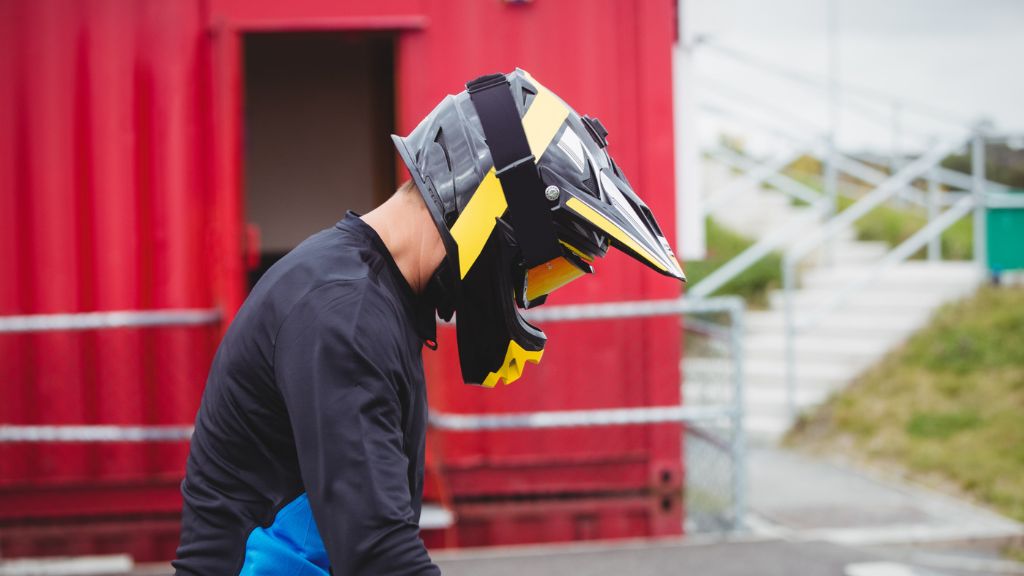
Full face helmets provide the highest protection – covering the entire head including the chin, which absorbs significant impact energy in frontal crashes. Standard choice for highway riding, sport bikes, and serious daily commuters. Price: Rs 1,500 (ISI) to Rs 25,000+ (ECE premium).
Modular (Flip-Up) Helmets
Modular helmets combine full face protection with open face convenience – the chin bar flips up. Best for daily urban commuters, touring riders, and glasses wearers. Slightly heavier and mechanically more complex. Price: Rs 3,500 to Rs 20,000+.
Open Face (3/4) Helmets
Open face helmets leave the face exposed – cooler and less restrictive, but zero chin protection. Studies show the chin is one of the most frequently impacted areas in crashes. Adequate for very low-speed urban use only. Avoid for any highway riding.
Top Helmet Brands in India 2026 – Honest Assessment
| Brand | Origin | Price Range | Best Model | Safety Level |
| Steelbird | India | Rs 800 – 6,000 | SBH-11 Zoom | ISI – good entry value |
| Vega | India | Rs 1,200 – 8,000 | Edge DT Visor | ISI – reliable mid-range |
| LS2 Helmets | Spain | Rs 3,500 – 18,000 | FF320 Stream | ECE – excellent |
| STUDDS | India | Rs 1,000 – 7,000 | Thunder D4 | ISI – popular commuter |
| MT Helmets | Spain | Rs 4,500 – 20,000 | Thunder 3 SV | ECE – premium quality |
| AGV | Italy | Rs 8,000 – 65,000 | K1S, K6 S | ECE + SNELL – top tier |
| Arai | Japan | Rs 25,000 – 90,000 | Quantic | SNELL – absolute best |
| Shark | France | Rs 7,000 – 40,000 | Ridill 2 | ECE – excellent value |
Best Helmets at Every Price Point India 2026
| Budget | Best Pick | Type | Certification | Why Choose |
| Under Rs 2,000 | Steelbird SBH-11 Zoom | Full Face | ISI | Best build quality at price |
| Under Rs 4,000 | Vega Edge DT Visor | Full Face | ISI | Excellent ventilation + visor |
| Under Rs 6,000 | LS2 FF320 Stream | Full Face | ECE 22.05 | First ECE helmet under Rs 6k |
| Under Rs 10,000 | MT Thunder 3 SV | Full Face | ECE 22.06 | Premium ECE, value flagship |
| Under Rs 15,000 | LS2 FF906 Advant | Modular | ECE 22.06 | Best modular under Rs 15k |
| Above Rs 15,000 | AGV K6 S | Full Face | ECE + DOT | Aerodynamic, lightweight masterpiece |
How to Check If Your Helmet Fits Correctly
- Measure your head at the widest point – approximately 2.5 cm above your eyebrows
- The helmet should sit level – not tilted back or forward
- Cheek pads must make firm contact without causing jaw pain
- Push test: with helmet fastened, try to roll it forward from the rear – it should not come off
- Wear it for 15 minutes in the shop – pressure hotspots appear within this time
- Different brands fit different head shapes – try before buying
When to Replace Your Helmet
- Replace after any significant impact – even invisible EPS foam damage is dangerous
- Replace every 5 years regardless of condition – UV and sweat degrade materials
- Never buy or use a second-hand helmet – you cannot know its impact history
- Store away from direct sunlight and petrol fumes
Frequently Asked Questions (FAQ)
Q: Is ISI certification good enough for highway riding?
A: ISI is the legal minimum but represents only basic safety. For highway speeds above 60 kmph, an ECE 22.06 certified helmet provides significantly better protection. The price difference is often just Rs 1,000–2,000 – worth every rupee.
Q: Do expensive helmets protect significantly better?
A: Above approximately Rs 5,000–6,000 (ECE 22.06 range), additional cost buys weight reduction, better ventilation, and comfort – not necessarily more impact protection. An Rs 6,000 ECE helmet protects as well as a Rs 60,000 one in most crashes. The premium buys comfort and features.
Q: Can I use a second-hand helmet?
A: Never. Helmet EPS foam compresses permanently after impact, and you cannot visually tell if a used helmet has been in a crash. Previous storage conditions also degrade materials invisibly. Always buy new.