Certified range vs real-world range
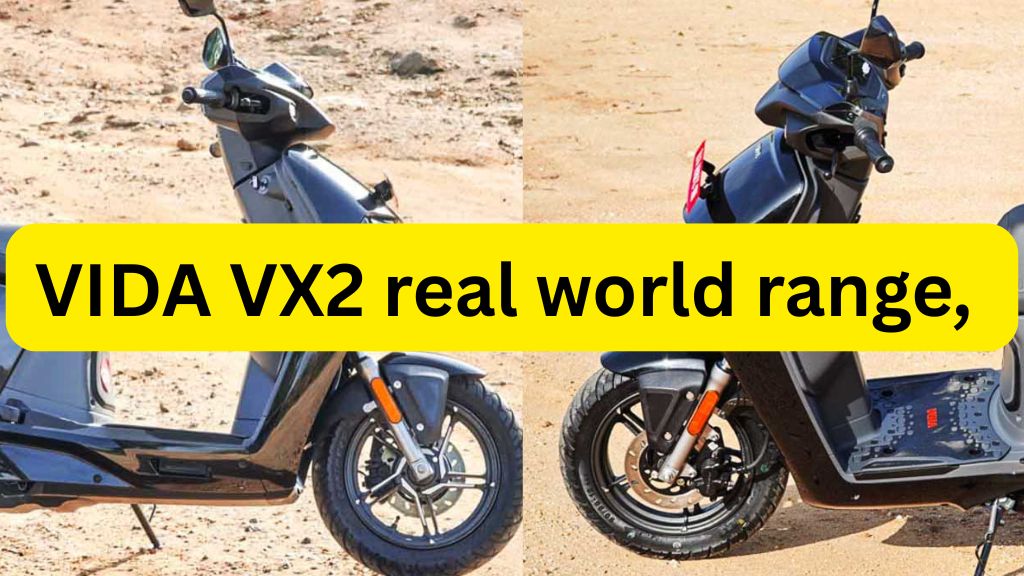
Range is probably the most searched question before buying an electric scooter, and it is also one of the easiest numbers to misunderstand. The Hero VIDA VX2 has official certified range figures for its different configurations, but a certified test is not the same as your daily commute.
A rider may see a number such as 92 km, 142 km or a higher figure on a particular configuration and assume that distance is guaranteed. It is not. Actual range depends on speed, acceleration, road gradient, passenger weight, tyre pressure, temperature, traffic and riding mode. Even two riders using the same scooter can record different results.
The useful approach is to treat the certified figure as a comparison benchmark. Then create a personal safety margin. If your daily journey is 35 km, you do not need to plan your life around achieving the maximum possible range. You want enough capacity to complete the trip comfortably even when conditions are less than perfect.
Weather also deserves attention. Indian summers, monsoon rain and dusty roads can create very different riding conditions. Riders should follow the manufacturer’s charging and maintenance instructions and avoid treating an EV as maintenance-free. Electric does not mean there is nothing to inspect; tyres, brakes, suspension, lights and charging equipment still need sensible care.
What changes VX2 range in city traffic?
City traffic can produce a strange combination of good and bad conditions for an EV. Frequent stops allow regenerative braking to recover some energy, but long periods of acceleration, heavy congestion, steep flyovers and repeated high-speed bursts can increase consumption.
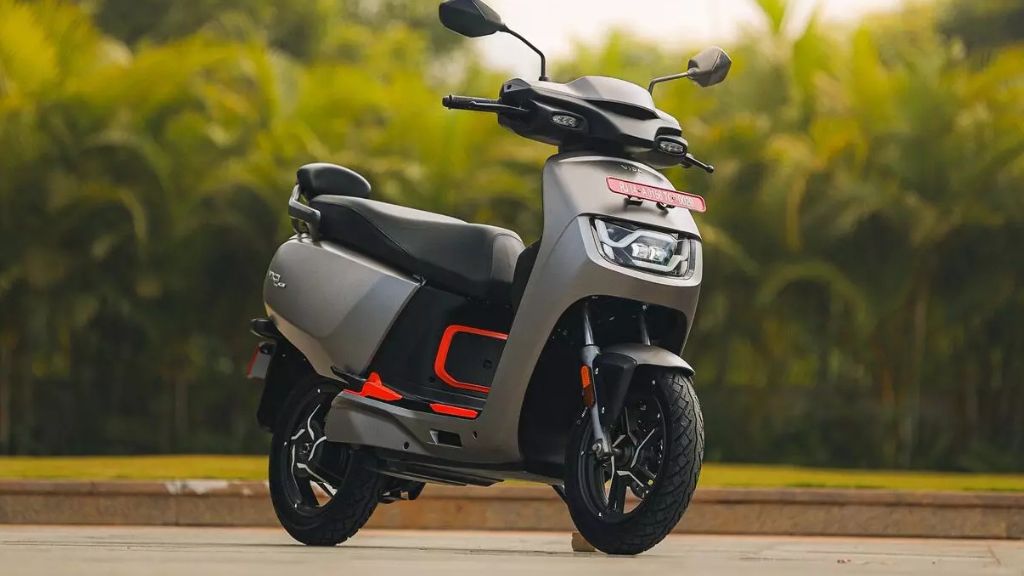
Riding style has a noticeable effect. Smooth acceleration generally uses less energy than repeatedly opening the throttle aggressively. Similarly, holding a moderate speed is usually more efficient than riding close to the scooter’s maximum speed for long periods.
Traffic temperature matters too. A hot afternoon, a cold morning, a heavily loaded scooter and low tyre pressure can all affect efficiency. That is why a single range figure should never be presented as a promise. The honest answer is that your route and habits decide your actual result.
Another point that is often missed is resale. Electric scooter technology changes quickly, so today’s attractive specification may not look equally special after several years. That is one reason warranty coverage, battery health and the strength of the service ecosystem matter. A well-maintained scooter with clear ownership records is easier to explain to a future buyer.
Range in Eco, Ride and Sports modes
The VX2 variants offer different riding modes, and each mode changes the character of the scooter. Eco is intended for relaxed, efficiency-focused riding. Ride provides a more balanced everyday response. Sports, where available on the Plus, gives a stronger performance feel.
If maximum distance is your priority, Eco is the natural place to start. But there is no reason to use Eco all the time if it makes the ride less comfortable for you. A practical strategy is to use Ride for normal commuting and Eco when you know the battery needs to last longer.
Sports mode can be enjoyable, but frequent hard acceleration will naturally affect energy consumption. The important thing is not to treat a riding mode as a magic range switch. It is simply one of the tools you can use to manage how the scooter behaves.
Weather also deserves attention. Indian summers, monsoon rain and dusty roads can create very different riding conditions. Riders should follow the manufacturer’s charging and maintenance instructions and avoid treating an EV as maintenance-free. Electric does not mean there is nothing to inspect; tyres, brakes, suspension, lights and charging equipment still need sensible care.
How battery size changes the experience
The VX2 range is offered with different battery capacities. A smaller battery keeps the scooter and purchase package more accessible, while a larger battery provides more usable energy for riders who travel farther.
Think about battery size in terms of routine rather than weekend excitement. If you ride 20 to 25 km a day, an entry configuration may already give you a comfortable buffer. If you travel 50 km or more daily, a larger battery can reduce charging anxiety and give you more flexibility when plans change.
There is another consideration: the number of battery packs. Removable batteries make charging more convenient for many homes, but the physical handling of the pack matters too. Before buying, make sure you are comfortable with the process of removing, carrying and charging the battery.
Another point that is often missed is resale. Electric scooter technology changes quickly, so today’s attractive specification may not look equally special after several years. That is one reason warranty coverage, battery health and the strength of the service ecosystem matter. A well-maintained scooter with clear ownership records is easier to explain to a future buyer.
Highway riding and range expectations
Electric scooters are generally most efficient when used within the environment they were designed for. The VX2 is primarily an urban scooter, so high-speed highway riding should not be used as the benchmark for everyday range.
At higher speeds, aerodynamic drag rises and the motor has to work harder. That means the distance available from the same battery can fall quickly compared with moderate city riding. Wind direction, rider posture and road elevation add another layer.
If your lifestyle involves occasional ring-road or highway travel, plan conservatively. Look at charging options along the route and avoid calculating the trip based on the maximum certified range. A comfortable buffer is far more useful than arriving with the battery percentage near zero.
Finally, compare ownership rather than advertising. Ask what you will pay, where you will charge, how often you will service the scooter and how far you normally travel. Once those answers are clear, the right VIDA configuration becomes much easier to identify.
Five simple ways to improve daily range
First, keep the tyres at the recommended pressure. Under-inflated tyres increase rolling resistance. Second, accelerate smoothly instead of repeatedly demanding maximum power. Third, avoid carrying unnecessary weight. Fourth, use Eco or a balanced riding mode when range matters. Fifth, plan charging before the battery becomes critically low.
These suggestions sound basic, but they work because they address the actual sources of energy consumption. You do not need complicated tricks or third-party gadgets.
It is also useful to track your own consumption for a week. Note your starting battery percentage, distance travelled and riding mode. After several trips, you will have a much better understanding of your scooter’s personal range than any generic internet number can provide.
Another point that is often missed is resale. Electric scooter technology changes quickly, so today’s attractive specification may not look equally special after several years. That is one reason warranty coverage, battery health and the strength of the service ecosystem matter. A well-maintained scooter with clear ownership records is easier to explain to a future buyer.
Battery ageing and long-term range
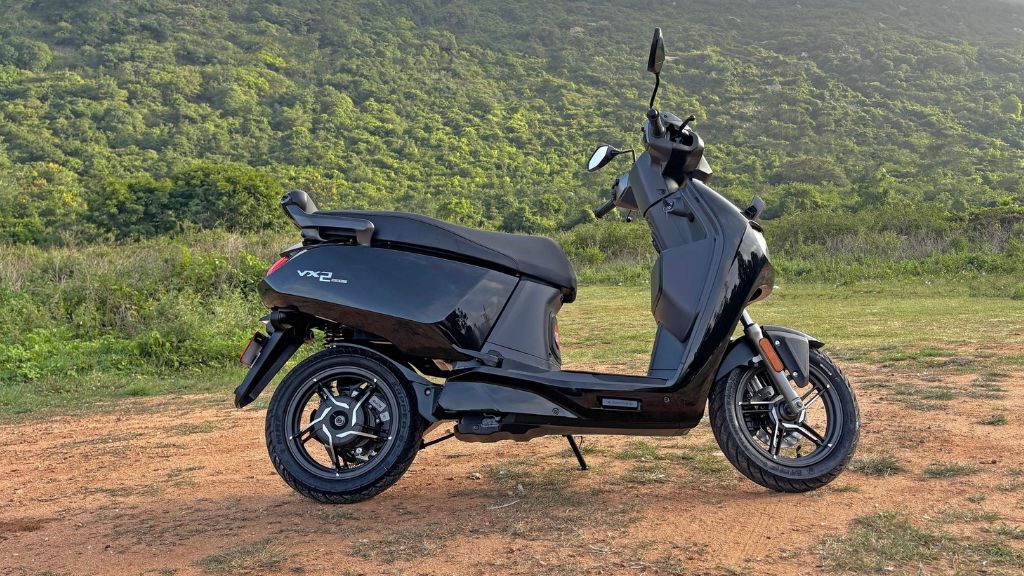
A new battery and an older battery will not necessarily deliver exactly the same usable capacity. Battery health depends on usage, temperature, charging behaviour and time. That does not mean the battery suddenly becomes unusable; it means range should be considered as part of long-term ownership.
Warranty coverage is therefore important. Check the exact battery warranty offered with the variant and whether an extended battery plan is available. If you choose a battery subscription model, read the coverage and usage terms carefully rather than looking only at the upfront price.
Long-term owners should also follow VIDA’s recommended charging and care instructions. Proper use is more valuable than trying to optimize every last percentage point.
Another point that is often missed is resale. Electric scooter technology changes quickly, so today’s attractive specification may not look equally special after several years. That is one reason warranty coverage, battery health and the strength of the service ecosystem matter. A well-maintained scooter with clear ownership records is easier to explain to a future buyer.
The realistic answer for daily commuters
There is no single ‘real-world range’ number that is correct for every VX2 owner. The official certified figures are useful benchmarks, while your personal range will depend on how and where you ride.
For a commuter, the safest approach is to calculate your daily distance and choose a configuration that leaves a meaningful reserve. If you are regularly travelling close to the scooter’s expected maximum, you will think about charging too often. A little extra capacity can make the ownership experience much calmer.
The VIDA VX2’s removable battery design helps here because charging does not always have to happen beside the scooter. That flexibility can be just as important as the raw range number.
Weather also deserves attention. Indian summers, monsoon rain and dusty roads can create very different riding conditions. Riders should follow the manufacturer’s charging and maintenance instructions and avoid treating an EV as maintenance-free. Electric does not mean there is nothing to inspect; tyres, brakes, suspension, lights and charging equipment still need sensible care.
Frequently Asked Questions
What is the Hero VIDA VX2 real world range?
The answer depends on the exact VX2 configuration and current official pricing or specification. Always verify the variant before publishing a number.
Is the certified range the same as real-world range?
No. Certified figures are useful for comparison, while actual distance varies with speed, traffic, rider load, road conditions, tyre pressure, temperature and riding mode.
Is the removable battery useful?
Yes, especially for riders who cannot park beside a fixed charging point. The practical benefit depends on whether the owner has a safe place to charge and store the battery.
Should I choose a larger battery?
Choose based on your daily kilometres and charging routine. A larger battery is most useful when you travel farther or want more reserve between charges.
Is VIDA VX2 good for city use?
Its scooter format, riding modes and battery flexibility make it well suited to many urban commuting situations. A test ride is still recommended before purchase.
Does electric mean zero maintenance?
No. EVs have fewer conventional powertrain service items, but tyres, brakes, suspension, lights and other components still need inspection and care.
Should I consider BaaS?
BaaS can reduce the upfront vehicle cost, but the per-kilometre battery charge must be included in your long-term ownership calculation.
Can this scooter be used in rain?
Follow the manufacturer’s safety and charging instructions. Wet roads still require slower speeds, greater braking distance and careful tyre checks.
What should I verify before buying?
Verify the exact variant, current price, battery capacity, certified range, warranty, charging availability, finance terms and complete on-road quotation.
Can this article guarantee Google Discover or AdSense approval?
No. No article can guarantee either. Google evaluates content and the wider site using its own systems and policies.