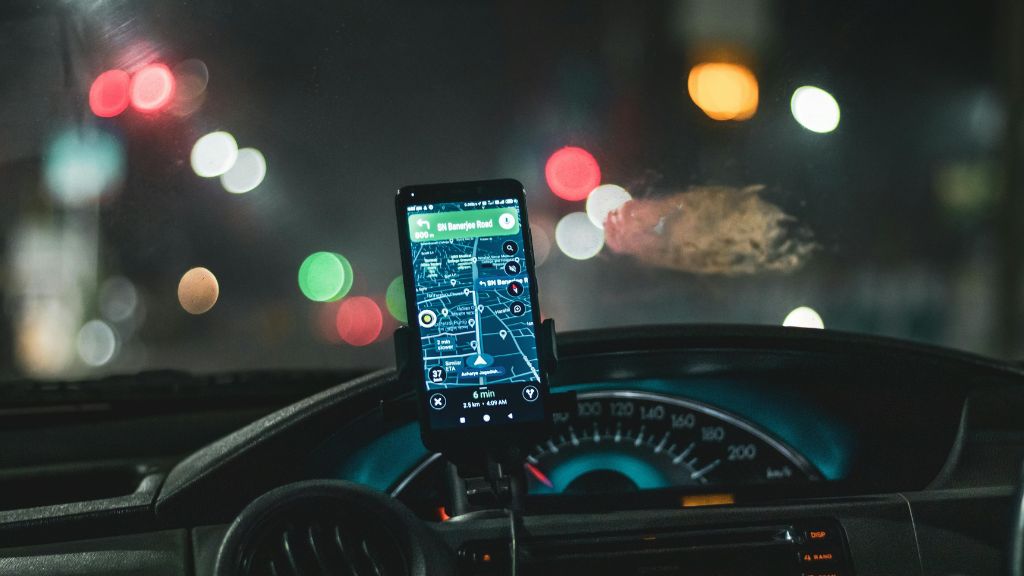
I drive approximately 22 km per day to work and back. My neighbor drives 140 km daily for his business. We both pay almost the same annual car insurance premium. This has bothered me for years – I’m at risk on the road for a fraction of the time he is. Telematics insurance is the technology that finally changes this equation, and it’s now available in India. This is everything you need to know about it in 2026.
What is Telematics Insurance?
Telematics insurance (also called Usage-Based Insurance or UBI) uses a small device installed in your vehicle – or a smartphone app – to monitor your actual driving behaviour. This data is transmitted to your insurer, who uses it to calculate a premium that reflects your real risk level rather than statistical averages.
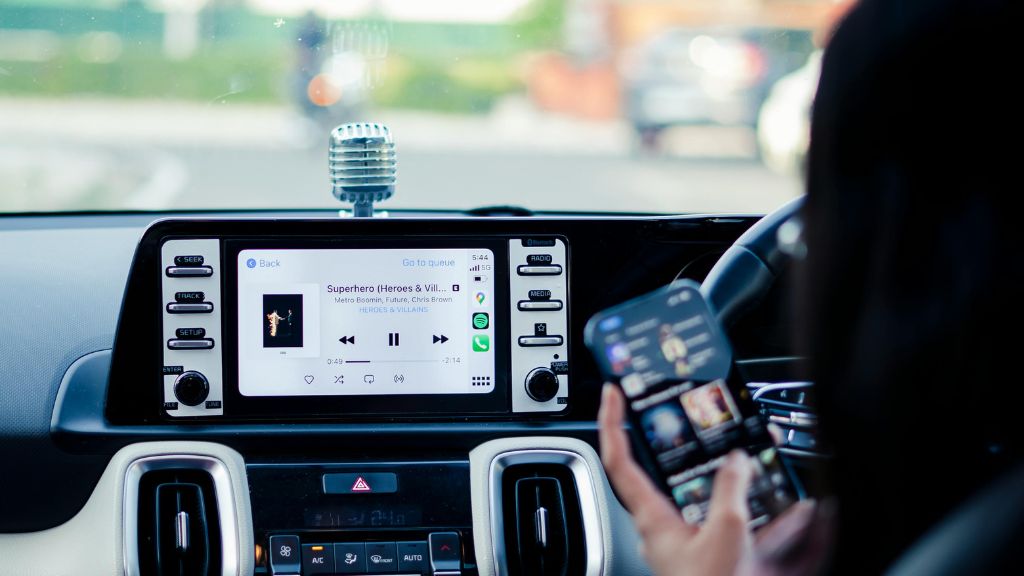
The key factors typically monitored include: distance driven (km/month), time of day driving (night driving = higher risk), speed patterns (harsh acceleration, hard braking), cornering behavior, and geographical areas driven (highway vs city centre vs low-traffic residential areas).
Types of Telematics Insurance Models
| Model | How It Works | Ideal For | Potential Saving |
| Pay As You Drive (PAYD) | Premium based on km driven | Low-mileage drivers (<1,000 km/month) | 20–40% vs standard premium |
| Pay How You Drive (PHYD) | Premium based on driving behavior score | Safe, smooth drivers | 15–35% vs standard premium |
| Pay As You Go (PAYG) | Per-km micro-premium, no annual contract | Very occasional drivers | 40–60% vs annual premium |
| Bonus-Malus Telematics | Standard premium + bonus/penalty based on data | All drivers — no initial saving | 5–25% annual adjustment |
Which Indian Insurers Offer Telematics-Based Insurance in 2026?
| Insurer | Product Name | Technology Used | Max Discount | Vehicle Type |
| Bajaj Allianz | Drive Smart | App + OBD device | Up to 40% | Cars |
| ICICI Lombard | InstaSpect + Telematics | App-based | Up to 30% | Cars + bikes |
| ACKO | Pay As You Drive | App-based | Up to 35% | Cars |
| HDFC ERGO | Smart Drive | OBD device | Up to 25% | Cars |
| Digit Insurance | PAYD Flex | App-based | Up to 40% | Cars |
| Tata AIG | Usage-Based Add-on | App-based | Up to 20% | Cars + bikes |
How Your Driving Score is Calculated
Different insurers use different algorithms, but the general framework is similar. Your driving session data is analyzed for specific events:
- Hard acceleration: Accelerating from 0–60 kmph in under 5 seconds – repeated events reduce score
- Hard braking: Deceleration above a threshold G-force (typically > 0.4g) – indicates tailgating or inattention
- Sharp cornering: Lateral G-forces above threshold – risky behavior
- Speeding: Time spent above speed limits in geo-tagged zones
- Night driving (11 PM – 5 AM): Higher risk factor, more points deducted per km
- Phone usage while driving: Some apps detect phone movement patterns that suggest texting
A perfect driving score across a 90-day evaluation period qualifies for the maximum discount at renewal. Most insurers allow you to see your score in real-time through their app, so you can consciously improve your habits before the evaluation period ends.
Privacy Concerns – What Data Does Your Insurer Actually See?
This is the question most people should ask but rarely do. Here’s what telematics insurance data typically includes: GPS location data (exact routes driven), speed at each location, timestamps (when and where you drive), phone sensor data (if app-based), and cumulative driving behavior scores.
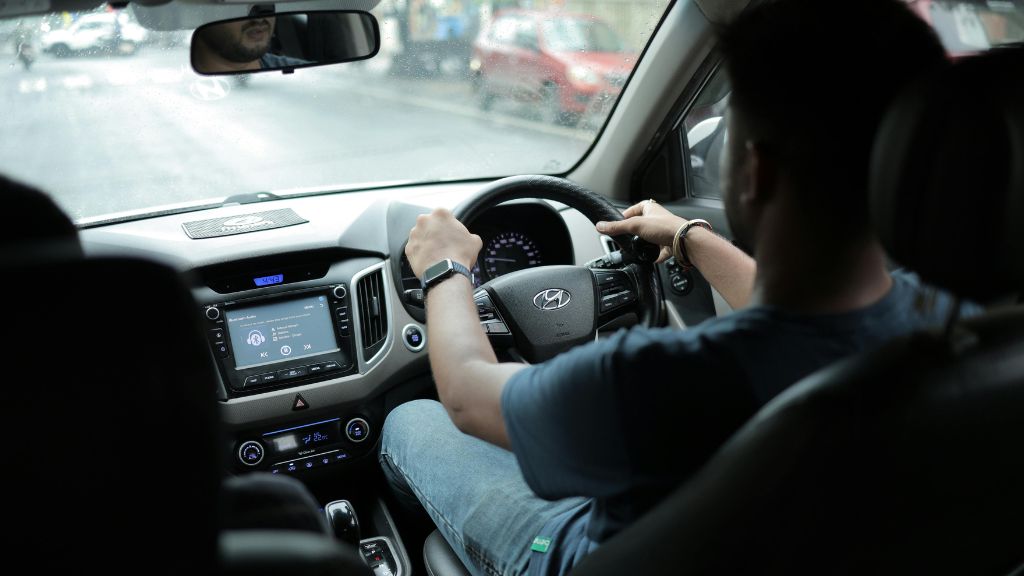
What this means practically: your insurer knows where you drove, when you drove there, and how you drove. Most Indians are surprisingly comfortable sharing this data for a 30–40% premium discount — but you should make an informed decision. Key protections to verify: whether the data is sold to third parties (check the policy T&Cs), how long the data is retained, and whether you can opt out mid-policy.
IRDAI (Insurance Regulatory and Development Authority of India) issued guidelines in 2023 requiring insurers to disclose exactly what telematics data is collected and how it’s used, and prohibiting use of this data for purposes beyond premium calculation.
Real-World Savings Calculation
Let’s put actual numbers to the potential savings. A 32-year-old in Pune with a 4-year-old Hyundai i20, currently paying ₹14,500 annual comprehensive premium:
| Scenario | Annual Premium | 5-Year Total | Saving vs Standard |
| Standard insurance (no telematics) | ₹14,500 | ₹72,500 | Baseline |
| Telematics — poor score (10% discount) | ₹13,050 | ₹65,250 | ₹7,250 saved |
| Telematics — average score (25% discount) | ₹10,875 | ₹54,375 | ₹18,125 saved |
| Telematics — excellent score (40% discount) | ₹8,700 | ₹43,500 | ₹29,000 saved |
How to Maximize Your Telematics Score – Practical Tips
- Be smooth on the throttle – accelerate gently, especially in city traffic. The fuel savings alone are worth it.
- Maintain following distance – hard braking almost always means you were following too close. 3-second following distance eliminates most hard braking events.
- Reduce late-night driving – if you need to drive after 11 PM, consider whether an alternative is possible during the evaluation period.
- Use navigation apps to take routes with lower speed limits if you tend to speed on faster roads.
- Mount your phone securely before driving – random phone movement detected by telematics apps can register as distracted driving.
- Be consistent – a few high-score sessions don’t overcome many poor sessions. Sustained smooth driving over 90 days is what delivers maximum discount.
Telematics Insurance for Bikes – The Current State
While telematics insurance is well-established for cars in India, bike telematics is still emerging. The challenge: bikes vibrate significantly more than cars, making sensor data noisier and harder to interpret accurately. Several insurers (ICICI Lombard, Tata AIG) now offer basic app-based telematics for bikes, primarily tracking distance and time-of-day, without the advanced behavior scoring used for cars.
Expect this to change significantly by 2026–27, as OBD-equipped motorcycles become more common and insurers invest in bike-specific telematics algorithms. Royal Enfield and Bajaj already have connected bike platforms that feed data to insurance partners.
Is Telematics Insurance Right for You?
Telematics insurance delivers maximum value if you are: a low-mileage driver (under 1,000 km/month), a smooth and careful driver, primarily a daytime driver, living in a city where most driving is urban and below highway speeds. It delivers less value if: you regularly drive late at night, you drive aggressive/sporty, you cover very high monthly distances (10,000+ km/month where PAYD savings diminish), or you strongly value driving privacy.
Frequently Asked Questions (FAQ)
Q: Does telematics insurance affect my NCB (No Claim Bonus)?
A: No. NCB is based on claim history and is completely independent of your telematics score. Telematics affects your base premium at renewal; NCB is an additional discount on top of the base premium. You benefit from both.
Q: Can a telematics insurance company increase my premium if my score is bad?
A: Yes — this is the other side of the equation. While good driving earns discounts, consistently poor driving behavior can lead to a premium loading (increase) at renewal. However, most IRDAI-regulated products cap the maximum premium increase from telematics at 10–15%.
Q: What happens if the telematics device is removed or tampered with?
A: Removal or tampering with a telematics device voids the telematics discount and may be treated as a policy breach in some products. For app-based telematics, missing too many driving sessions (app not running) typically defaults your score to average rather than invalidating the policy.
Q: Is PAYD (Pay As You Drive) insurance good for a second car rarely used?
A: Excellent choice. A second car sitting in the garage 25 days a month has very low actual risk exposure. PAYD insurance charges based on actual km driven rather than flat annual premium – typical savings for a second car driven under 500 km/month are 40–55% versus standard comprehensive insurance.