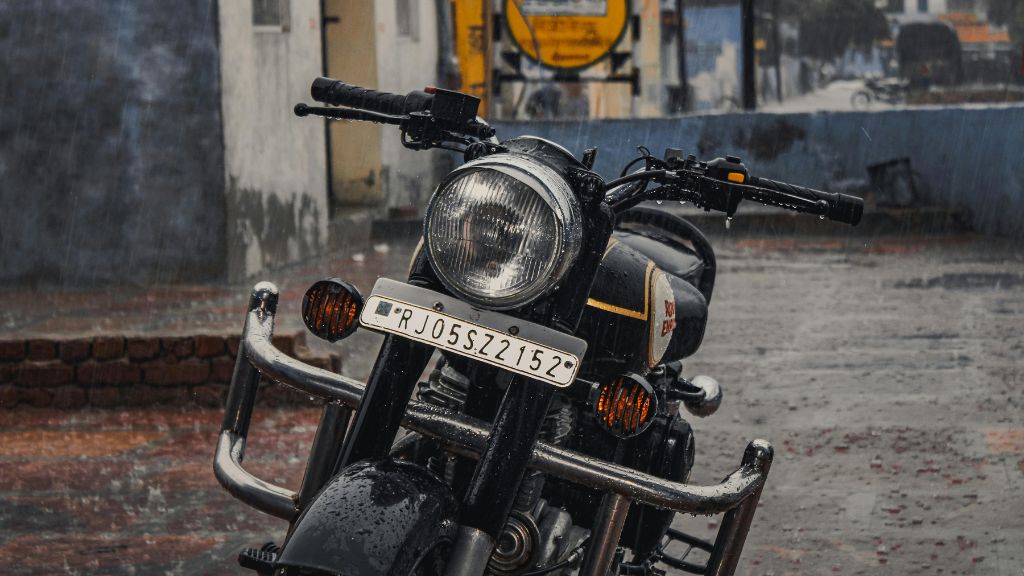
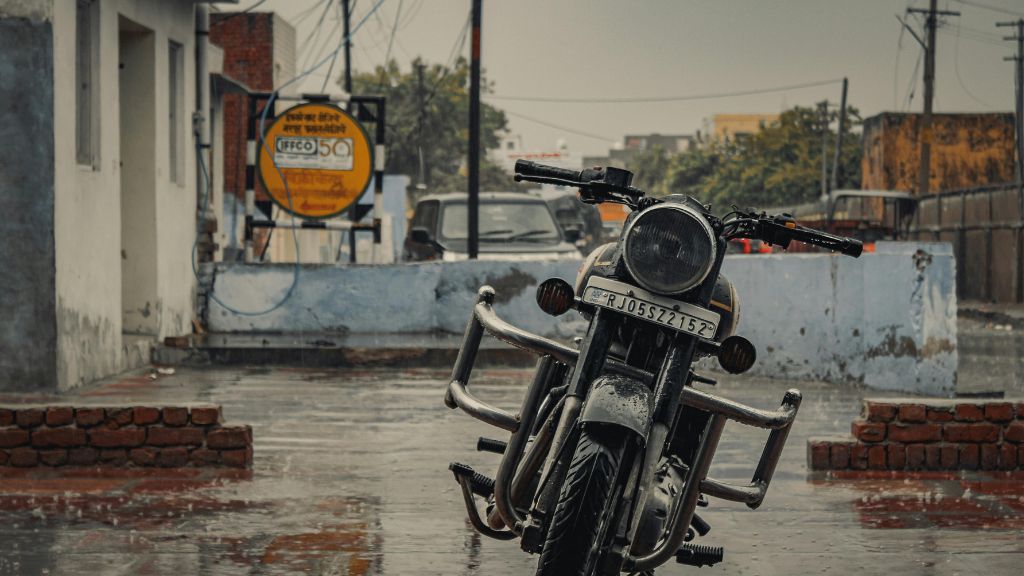
The Indian monsoon is genuinely beautiful from a window. From inside a car with a leaking windscreen, corroded electrical contacts, and brake pads not checked since last October – it is an expensive nightmare. I have seen three cars rendered total write-offs by a single Mumbai flooding event whose owners thought the water was shallow enough to drive through. The vehicles that survive every monsoon do so not because of luck but because of 6–8 hours of preventive maintenance before the first rains.
Pre-Monsoon Checklist – Complete This in May or Early June
| Category | Check Item | Why It Matters |
| Tyres | Tread depth minimum 3mm + correct pressure | Wet road stopping distance doubles on worn tyres |
| Brakes | Pad thickness + disc condition + fluid level | Wet brakes need more force — worn pads fail |
| Wipers | Replace if streaking or chattering | Visibility in heavy rain with bad wipers is dangerous |
| Lights | All lights functional + alignment | Low visibility demands fully working lights |
| Electrical | Fuse ratings + connector rust check | Moisture causes corrosion in exposed connectors |
| Underbody | Rust holes + drain plugs clear | Water pooling causes rapid corrosion |
| Air Filter | Inspect + replace if needed | Clogged filter with water can damage engine |
| Coolant | Check level + concentration (min 30% antifreeze) | Prevents corrosion in cooling system |
Protecting Your Car Body from Monsoon Rust
- Apply automotive wax or paint sealant to entire exterior before monsoon – creates hydrophobic barrier
- Apply anti-rust underbody coating (Rs 1,500–3,500) – lasts 2–3 years, prevents chassis rust
- Open drain plugs in door sills and clean channels – clogged channels cause water to pool inside doors
- Treat chrome trim with ACF-50 or aviation-grade corrosion inhibitor – lasts entire monsoon season
- Wipe door seals with silicone lubricant – prevents rubber cracking from repeated wetting and drying
Electrical System Monsoon Protection
Apply dielectric grease (Rs 150–250) to every connector you can access in the engine bay before the monsoon. It prevents water from bridging metal contacts and causing corrosion – preventing Rs 2,000–8,000 in electrical repair bills. Common failure points: fuse box moisture ingress, battery terminal corrosion, door speaker rust, headlight condensation, engine bay connector corrosion.
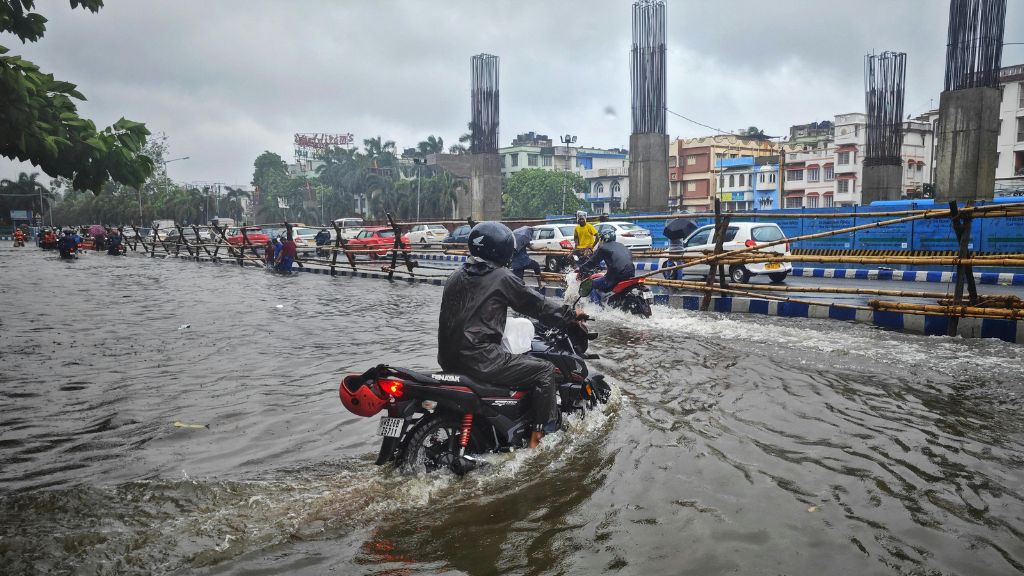
Bike Monsoon Preparation
- Chain: Clean and lubricate every 200 km in monsoon vs 500 km dry season – wet chain wear is 3–4x faster
- Air filter: Check every 1,500 km – replace immediately if wet; a wet filter causes engine damage
- Drum brakes: Brake gently and repeatedly after riding through water to dry out drums
- Battery terminals: Clean and apply Vaseline to both terminals – more exposed than car batteries
- Tyre pressure: Check weekly – temperature and moisture fluctuations affect pressure more in monsoon
What to Do If Your Car Gets Flooded
- DO NOT try to start the engine if water was above the air intake – hydrostatic lock destroys engines
- Remove floor mats and open all doors and windows immediately – dry as fast as possible to prevent mould
- Disconnect the car battery to prevent short circuits from residual moisture
- Do not operate power windows, mirrors, or infotainment until professionally dried
- Call your insurer within 24 hours – comprehensive insurance covers flood damage under Act of God
- Get professional inspection before attempting to drive – flood damage to fuel, braking, and electronics may be invisible
Monsoon Driving Tips That Keep You Safe
- Increase following distance to 6 seconds – wet stopping distances are 2–3x dry conditions
- Turn headlights ON in rain – not for your visibility but so others can see you
- Slow before puddles of unknown depth – 2 seconds saved is not worth a flooded engine
- After driving through deep water, test brakes immediately – pump gently to dry them
- Avoid sudden inputs on painted road markings and metal manhole covers – both are significantly slippery when wet
Frequently Asked Questions (FAQ)
Q: Can I use a pressure washer during monsoon?
A: Yes, with care. Avoid directing high pressure at door seals, the fuse box, engine connectors, wheel bearings, and brake components. A garden hose is safer for these areas. Regular washing removes the road grime that accelerates corrosion.
Q: Does flood damage affect my insurance claim?
A: Yes – flood damage is covered under comprehensive motor insurance as an Act of God peril. Do not attempt to start or move the vehicle before the insurer’s surveyor inspects it, as doing so can affect your settlement.
Q: How often should I wax during monsoon?
A: Once before monsoon begins (late May or June). A good paste wax or paint sealant lasts 2–3 months. Ceramic coating (Rs 8,000–25,000) lasts 1–2 years and provides superior protection for vehicles exposed to heavy daily rain.