My first week with an electric scooter was genuinely stressful. I didn’t know how often to charge, whether I should let the battery drain fully, where to charge when I was caught in traffic far from home, or whether fast charging was damaging the battery. Three years and about 28,000 km later, I understand EV charging better than I understand some of my friends. This guide covers everything I wish someone had told me before I plugged in for the first time.
Types of EV Chargers – What AC and DC Mean in Simple Terms
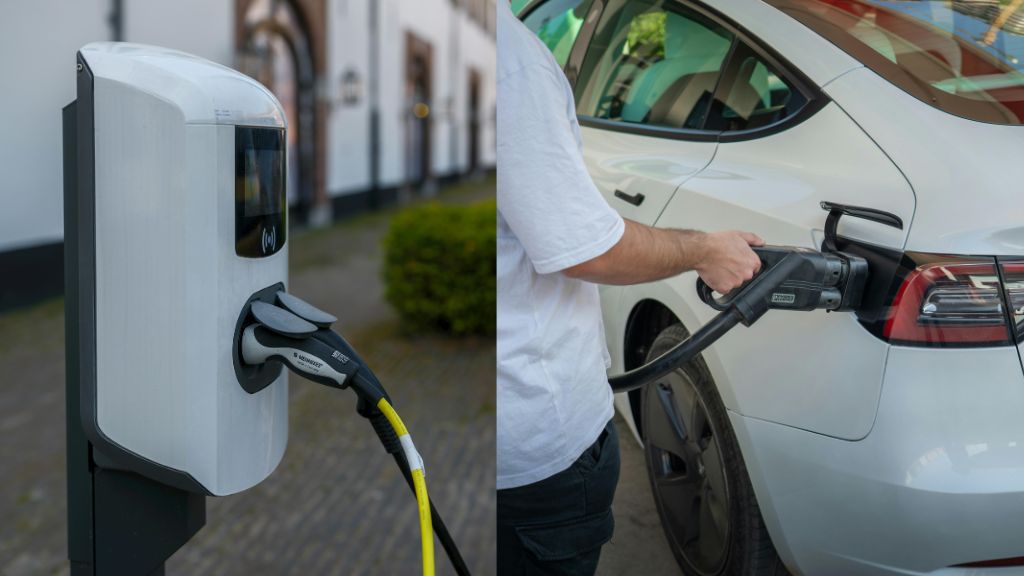
EV charging is divided into AC (Alternating Current) and DC (Direct Current) charging. Your home socket supplies AC power. Your EV’s battery stores DC power. An on-board charger inside the vehicle converts AC to DC for storage. With DC fast charging, the conversion happens outside the vehicle, so power flows directly into the battery – hence the much faster charging speed.
| Charger Type | Also Called | Power Output | Charge Time (2-wheeler) | Charge Time (4-wheeler) | Where Found |
| Level 1 / Type 1 | Standard socket | 0.7 – 2.5 kW | 3–8 hours (5kWh) | 20–40 hours (40kWh) | Home (regular 5/15A socket) |
| Level 2 / AC | Home fast charger | 3.3 – 22 kW | 1–3 hours | 4–8 hours | Home wallbox, malls, offices |
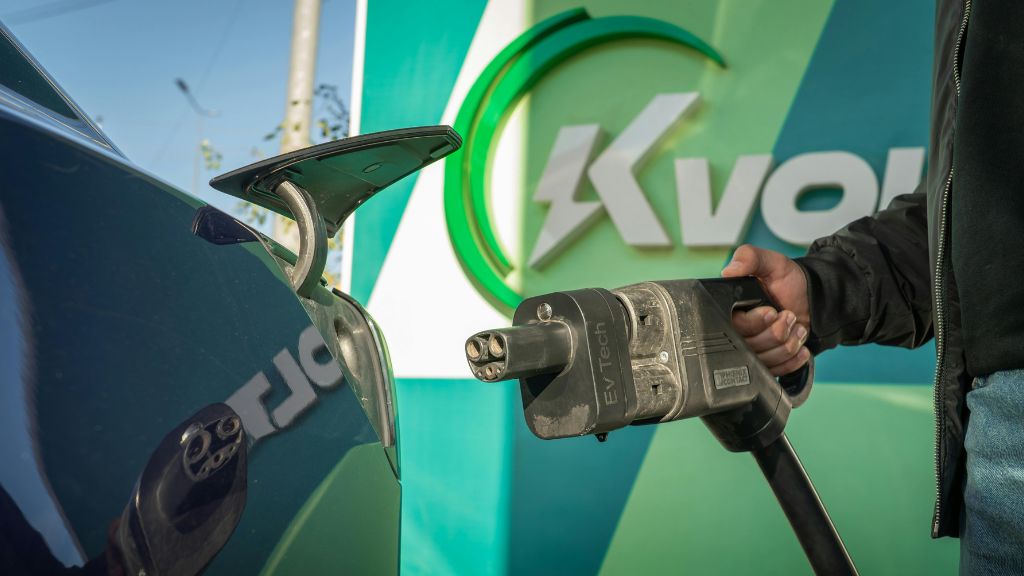
| DC Fast Charger | CCS2 / CHAdeMO | 25 – 100 kW | 15–45 mins (varies) | 30–90 minutes (80%) | Highways, public stations |
| Ultra-fast DC | HPC / 150kW+ | 150 – 350 kW | N/A for 2-wheelers | 15–30 minutes (80%) | Premium highway stations |
Setting Up EV Charging at Home – Step-by-Step
Home charging covers 80–90% of most EV owners‘ needs. The setup depends on whether you’re charging a two-wheeler or a four-wheeler.
For Electric Two-Wheelers (Scooters & Bikes):
Most electric scooters (Ola S1, Ather 450X, TVS iQube, Bajaj Chetak) come with a portable charger that plugs into any standard 5-ampere or 15-ampere socket. This is the simplest setup – no installation required.
- Required: A functional 5A or 15A socket near your parking space. For apartments, check if there’s an existing socket in the basement parking.
- Charging time: 4–8 hours overnight on a standard socket (varies by scooter battery size)
- Monthly electricity cost: ₹60–120 for 1,200 km of riding at ₹8/unit average rate
- Important: Use only the manufacturer-supplied charger for regular charging. Third-party chargers can damage the battery management system.
For Electric Cars (Installing a Home Wallbox):
- Assess your electrical panel: Confirm your home’s electrical board can handle an additional 7–11 kW load. Most modern homes (post-2010) can – but verify with an electrician.
- Choose your charger: 7.4 kW single-phase (most common, suits most EVs), 11 kW or 22 kW three-phase (for premium EVs with higher on-board charger capacity)
- Get a licensed electrician: DIY wallbox installation voids warranty and is potentially dangerous. Use a certified EV charger installer – most charger manufacturers (Ather, Tata, Hyundai) have empanelled installer networks.
- Installation cost: ₹8,000–25,000 depending on cabling distance, switchboard upgrades needed, and charger model
- Subsidies available: FAME-II scheme and some state DISCOMs offer subsidies of ₹2,000–10,000 on home charger installation – check your state electricity board’s website
Public EV Charging Networks in India 2026
| Network | Charger Types | No. of Stations (2026 est.) | App | Price Range |
| Tata Power EZ Charge | AC + DC Fast | 3,500+ | Yes | ₹7–₹15 per kWh |
| EESL / BPCL Hubs | AC + DC Fast | 2,800+ | BPCL app | ₹8–₹18 per kWh |
| Charge+Zone | AC + DC Fast + Ultra-fast | 2,200+ | Yes | ₹9–₹20 per kWh |
| Ather Grid | AC only (Ather vehicles) | 1,800+ | Ather app | Free for Ather owners |
| Statiq | AC + DC Fast | 3,000+ | Yes | ₹8–₹16 per kWh |
| Ola Hypercharger | DC Fast (Ola vehicles) | 2,500+ | Ola app | Free for Ola S1 Pro owners |
| Zeon Charging | DC Fast | 800+ | Yes | ₹10–₹18 per kWh |
Use the PlugShare app or the Tata Power EZ Charge app to find the nearest compatible charger before long trips. As of 2026, major national highways (NH-48, NH-44, NH-8) have fast chargers at least every 50–80 km. Tier-1 cities are comprehensively covered; tier-2 and tier-3 cities are expanding rapidly.
EV Charging Cost Calculation – The Real Per-Km Cost
Let’s calculate the true cost of running an EV versus petrol, based on actual charging expenses:
| Vehicle | Battery Size | Efficiency | Cost to Charge | Cost Per Km |
| Ola S1 Air (scooter) | 3 kWh | 25 Wh/km | ₹24 (home) | ₹0.96/km |
| Ather 450X (scooter) | 3.7 kWh | 28 Wh/km | ₹29.6 (home) | ₹1.12/km |
| Tata Nexon EV (car) | 30.2 kWh | 18 kWh/100km | ₹241 (home) | ₹2.41/km |
| Tata Tiago EV (car) | 19.2 kWh | 16 kWh/100km | ₹153 (home) | ₹1.53/km |
| Hyundai Ioniq 5 (car) | 72.6 kWh | 17 kWh/100km | ₹581 (home) | ₹5.81/km |
Comparison: A petrol scooter giving 60 kmpl at ₹105/litre costs ₹1.75/km. An electric scooter costs ₹0.96–1.12/km. The electric scooter costs 36–45% less per km to run. For a car: a petrol hatchback at 15 kmpl costs ₹7/km. The Tata Tiago EV costs ₹1.53/km — 78% cheaper per km.
Fast Charging vs Slow Charging – Battery Health Impact
The most common concern among new EV owners is whether frequent fast charging damages the battery. The honest, science-based answer: yes, but within acceptable limits for most users.
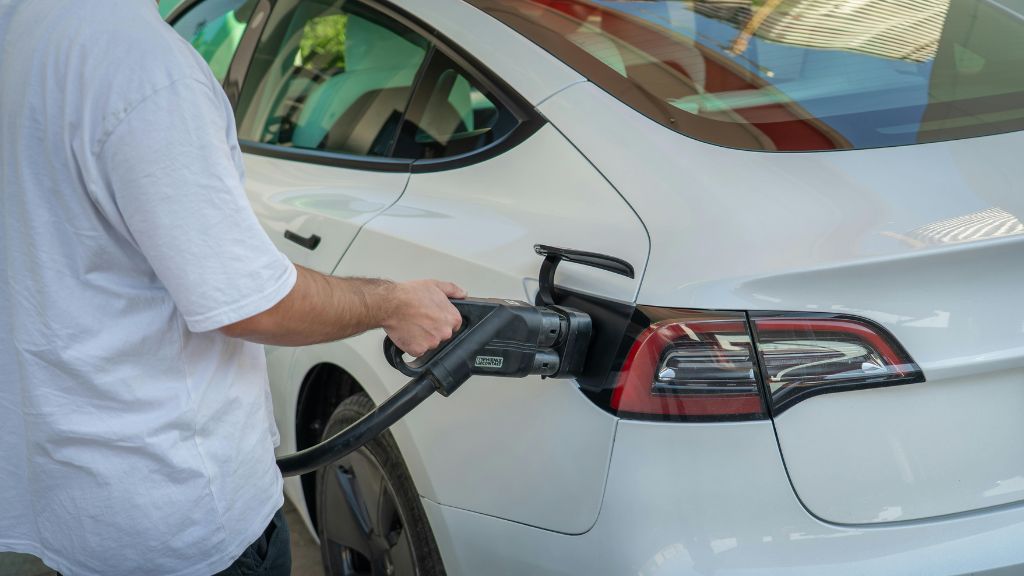
DC fast charging generates more heat in the battery than slow AC charging. Heat is the primary enemy of lithium-ion battery longevity. Most modern EVs have sophisticated thermal management systems that limit charging speed when the battery is hot – this is why your fast charge slows down after 80% state of charge.
- Best practice: Use slow AC home charging for 80–90% of your charging needs
- Use fast charging when needed – for long trips or emergencies – without guilt
- Avoid charging to 100% regularly- charging to 80–85% daily and only to 100% before long trips maximizes battery lifespan
- Avoid deep discharge – try not to let battery drop below 10–15% regularly
- Charge at a cooler time of day- plugging in at night avoids battery being hot from daytime driving
Range Anxiety – How to Overcome It Practically
Range anxiety is the fear of running out of charge before reaching your destination or a charging point. For most urban and semi-urban Indian EV owners, it’s more psychological than practical – but there are specific use cases where it’s a genuine concern.
A practical framework: For daily urban commuting under 40 km: any modern EV comfortably covers this with overnight charging. For intercity travel up to 300 km: plan one charging stop at a highway fast charger (20–30 minute stop). For trips over 300 km: identify charging stations in advance using PlugShare; factor 45–60 minute stops at 2–3 points.
- Download PlugShare before any long trip – the community-verified charger locations are more reliable than OEM app data
- Add 20–25% buffer to your planned range in winter (cold temperatures reduce Li-ion battery capacity by 10–20%)
- On the highway, driving at 80–90 kmph uses significantly less range than 110 kmph -the difference is often 20–30%
Frequently Asked Questions (FAQ)
Q: Can I charge an electric scooter from a regular home socket?
A: Yes. All electric scooters sold in India come with a portable charger that works on standard 5A or 15A sockets found in any home or apartment. No special installation is required for two-wheelers.
Q: How much does it cost to install a home EV charger for a car?
A: Home EV wallbox installation in India typically costs ₹8,000–25,000, including the charger hardware, cabling, and installation labor. The wide range depends on the distance from your electrical panel to the parking spot and whether any panel upgrades are needed.
Q: How long does an EV battery last in India?
A: Quality EV batteries are designed for 1,000–1,500 charge cycles, which translates to roughly 8–12 years of typical use. Most manufacturers offer battery warranties of 8 years or 1,60,000 km. Indian conditions (heat, monsoon) do accelerate degradation slightly compared to temperate climates, but modern thermal management systems significantly mitigate this.
Q: Is EV charging safe during monsoon season?
A: Yes, when using properly installed and weatherproofed charging equipment. Home wall boxes (Level 2 chargers) should have a minimum IP54 rating for outdoor installation. Portable chargers that come with EVs are not rated for use in rain – charge inside or under cover during heavy rain. Public charging stations are designed to be weatherproof and safe to use in rain.
Q: What is vehicle-to-load (V2L) and which Indian EVs support it?
A: V2L (Vehicle-to-Load) allows your EV’s battery to power external devices — essentially using your car as a giant power bank. The Hyundai Ioniq 5 and Kia EV6 currently support V2L in India. This feature can power appliances, tools, or even other EVs in an emergency. More Indian EVs are expected to add V2L capability in 2026–27.