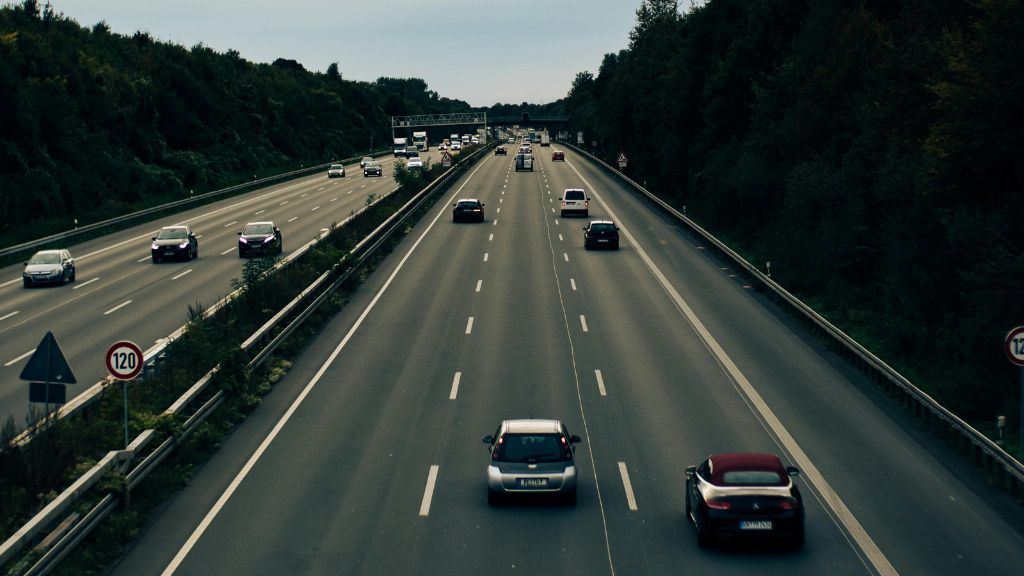
India’s highway network has expanded dramatically – over 1,45,000 km of national highways now connect every corner of the country. Expressways with 120 km/h speed limits, six-lane stretches, and modern amenities have transformed long-distance driving. But India’s highway accident fatality rate remains among the highest globally. The roads have improved faster than driving habits. This guide addresses that gap with practical, evidence-based tips.
Pre-Journey Checklist – Do This Before Every Long Drive
- Tyre pressure: Check and inflate to recommended pressure. Cold tyre pressure, not hot. Verify spare tyre is also inflated.
- Engine oil: Check dipstick level. Add if between minimum and maximum marks.
- Coolant level: Check reservoir when engine is cold. Top up with manufacturer-recommended coolant.
- Brake fluid: Check reservoir level. Low brake fluid indicates worn brake pads or a leak.
- All lights: Verify headlights (high and low beam), indicators, brake lights, and reverse lights function.
- Fuel: Fill before departure, not on the highway. Fuel prices are higher at highway petrol stations.
- Emergency kit: Confirm warning triangles, torch, first aid, and tow rope are in the boot.
Speed and Lane Discipline
India’s highway speed limits in 2026: 120 km/h on expressways for cars, 100 km/h on 4-lane national highways, 80 km/h on 2-lane NH stretches. Speed cameras and ANPR enforcement has increased dramatically. But beyond legal limits, physics defines the real danger: stopping distance at 120 km/h is 90–120 metres on dry tarmac and 140-180 metres on wet. A vehicle ahead braking suddenly leaves almost no margin for reaction unless a safe following distance is maintained.
The 3-second rule: Pick a fixed point. When the vehicle ahead passes it, count three seconds. If you pass the same point before counting three, you are too close. Double this to six seconds in rain.
Overtaking – The Highest-Risk Manoeuvre
Most Indian highway fatalities involve overtaking. Before overtaking: check your mirror and blind spots, signal at least 3 seconds before pulling out, ensure the road ahead is clear for the full overtaking distance (at 100 km/h you need 200+ metres clear), and maintain overtaking speed until you are completely past the vehicle and have returned to your lane. Never overtake on a curve, crest, or in the face of oncoming headlights at night. If in doubt, do not overtake.
Night Driving on Indian Highways
Night driving in India requires a fundamentally different approach. Unlit vehicles, cattle on roads, broken-down trucks without warning triangles, and pedestrians walking on highway shoulders are real hazards at night. Keep headlights on low beam in oncoming traffic. Maintain 30–40% lower speed than daytime. If driving in hill states, honk before blind corners as per local convention. Take a 20-minute break every 2 hours – fatigue-related accidents peak between 2:00-4:00 AM.
Handling a Tyre Blowout at Speed
A front tyre blowout at high speed can be fatal if mishandled. The instinct to brake hard is wrong. The correct response: grip the wheel firmly with both hands, do not brake or accelerate, let the car slow naturally through rolling resistance, steer gently toward the road shoulder, only apply brakes once speed has reduced below 60 km/h, and stop completely clear of the road. Place warning triangles 50 metres behind the vehicle before attempting any tyre change. Call roadside assistance rather than changing on a fast highway if the shoulder is narrow.
Highway Emergency Numbers
- National Highway helpline: 1033 (24/7, covers all national highways)
- NHAI highway patrol: 1033
- Police emergency: 112 (all states)
- Ambulance: 108 (all states)
- Highway toll plaza: Each toll plaza has emergency contact numbers posted – save the nearest one when entering a long stretch
Fuel and Rest Stop Planning
Plan fuel stops proactively. On expressways and major NHs, fuel stations are typically every 40–80 km. On secondary NH stretches in less-developed regions, gaps of 100+ km are possible. Never let the fuel gauge drop below a quarter tank on unfamiliar highways. Rest stops: plan for 15–20 minutes every 2 hours. Fatigue is the single largest contributing factor to highway accidents in India. The best modern highway rest areas now have food, clean washrooms, and even accommodation – use them.
Emergency Breakdown Protocol
- Pull completely off the carriageway onto the shoulder – never stop in a live lane
- Switch on hazard lights immediately
- Place warning triangles 50 metres and 100 metres behind the vehicle
- All occupants exit from the side away from traffic and move to the road verge
- Call NHAI 1033, then your insurance roadside assistance number
- Do not stand between the vehicle and traffic while waiting for help