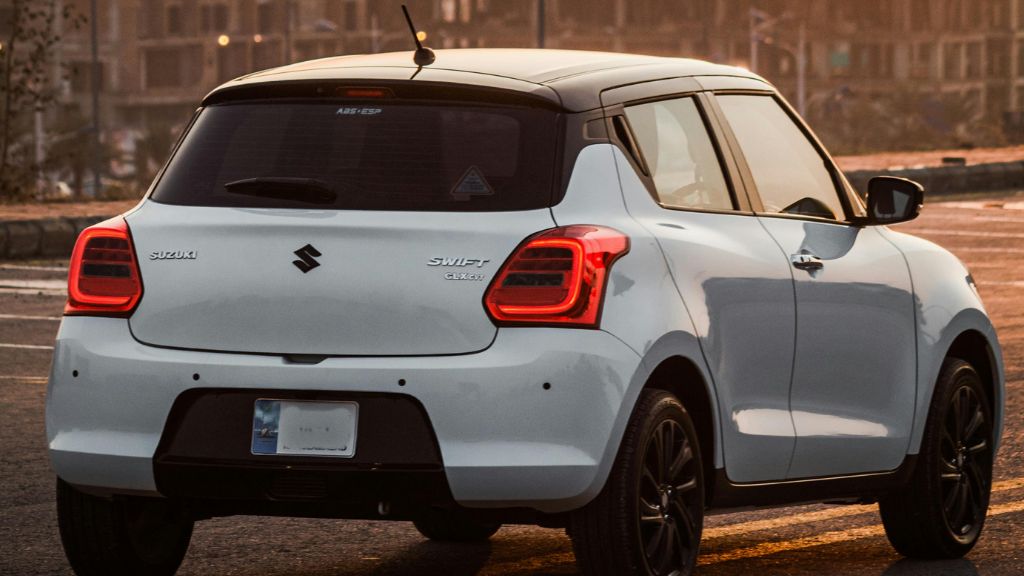
Maruti Suzuki filed a notice with Indian stock exchanges confirming that it will increase prices across its entire model lineup by up to Rs 30,000 effective June 1, 2026. The stated reason: rising input costs, commodity price pressures, and increased logistics expenses. This is not the first time Maruti has raised prices in 2026 — this follows a January 2026 increase of up to Rs 15,000 across most models. If you were considering buying a Maruti in the next few months, the calculus just changed.
Which Maruti Models Are Affected and by How Much?
| Model | Current Starting Price | Expected Price After June 1 | Estimated Increase |
| Maruti Alto K10 | Rs 3.99 lakh | Rs 4.20 lakh | Rs 15,000–21,000 |
| Maruti S-Presso | Rs 4.26 lakh | Rs 4.46 lakh | Rs 18,000–20,000 |
| Maruti Celerio | Rs 5.37 lakh | Rs 5.62 lakh | Rs 20,000–25,000 |
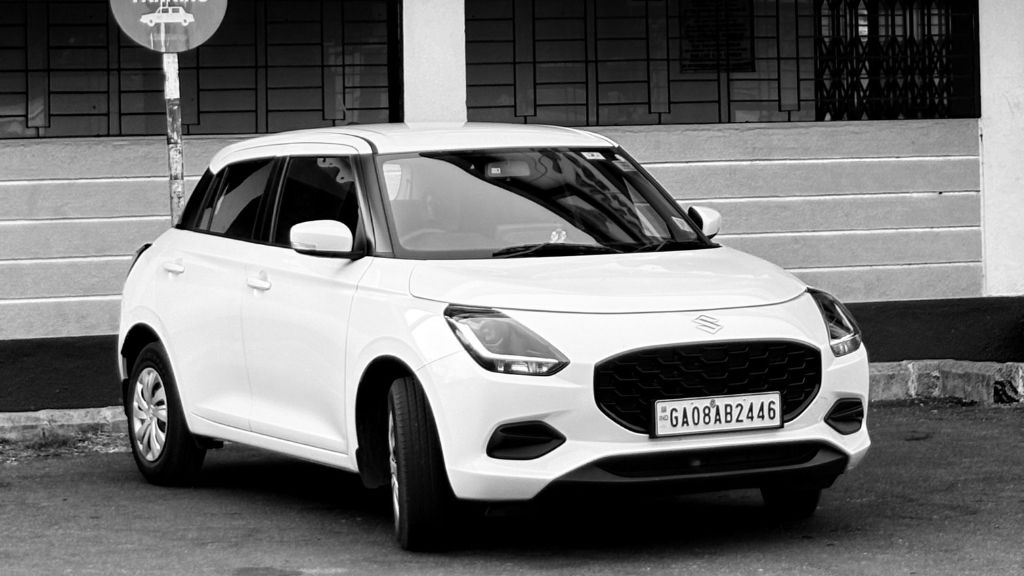
| Maruti Swift (2024) | Rs 6.49 lakh | Rs 6.79 lakh | Rs 25,000–30,000 |
| Maruti Baleno | Rs 6.61 lakh | Rs 6.89 lakh | Rs 25,000–28,000 |
| Maruti Fronx | Rs 7.51 lakh | Rs 7.79 lakh | Rs 25,000–28,000 |
| Maruti Dzire | Rs 6.89 lakh | Rs 7.19 lakh | Rs 25,000–30,000 |
| Maruti Ertiga | Rs 8.69 lakh | Rs 8.99 lakh | Rs 25,000–30,000 |
| Maruti Brezza | Rs 8.34 lakh | Rs 8.64 lakh | Rs 25,000–30,000 |
| Maruti Grand Vitara | Rs 10.99 lakh | Rs 11.29 lakh | Rs 25,000–30,000 |
Note: These are estimated figures based on Maruti’s stated maximum increase of Rs 30,000. Actual increases by variant and region will vary. Some entry variants may see smaller increases while top-spec variants absorb the maximum increase.
Should You Buy Before June 1, 2026?
If you are already close to a purchase decision on a Maruti vehicle, buying before June 1, 2026 saves you Rs 15,000–30,000 depending on the model. That is a straightforward saving that requires no complex calculation. However, if you are not yet sure about the model or variant, rushing into a purchase to avoid the price hike is rarely the right decision – the cost of buyer’s remorse on a 5-year vehicle ownership decision is much higher than Rs 30,000.
- Already decided on a specific Maruti model and variant: Book this week
- Still comparing Maruti with other brands: Take the time to decide correctly
- Waiting for a specific variant (like a particular colour) to become available: Weigh the Rs 30,000 saving against the wait
- Financing the purchase: Rs 30,000 extra on a 5-year loan at 10% adds approximately Rs 637 per month to your EMI – factor this in
Why Is Maruti Raising Prices Now?
India’s largest carmaker has cited three specific cost pressures in its exchange filing: rising steel and aluminium commodity prices globally, which directly affect body manufacturing costs; increased imported component costs following exchange rate movements; and higher logistics costs from fuel price increases affecting vehicle transportation from manufacturing plants to dealerships.
Industry analysts note that Maruti has been absorbing these cost increases for several months before passing them on to customers – the company’s margins have been under pressure in Q4 FY26. The June price hike is the company restoring margin normalcy rather than an opportunistic premium increase.
Maruti CNG Models – Will They Also Get More Expensive?
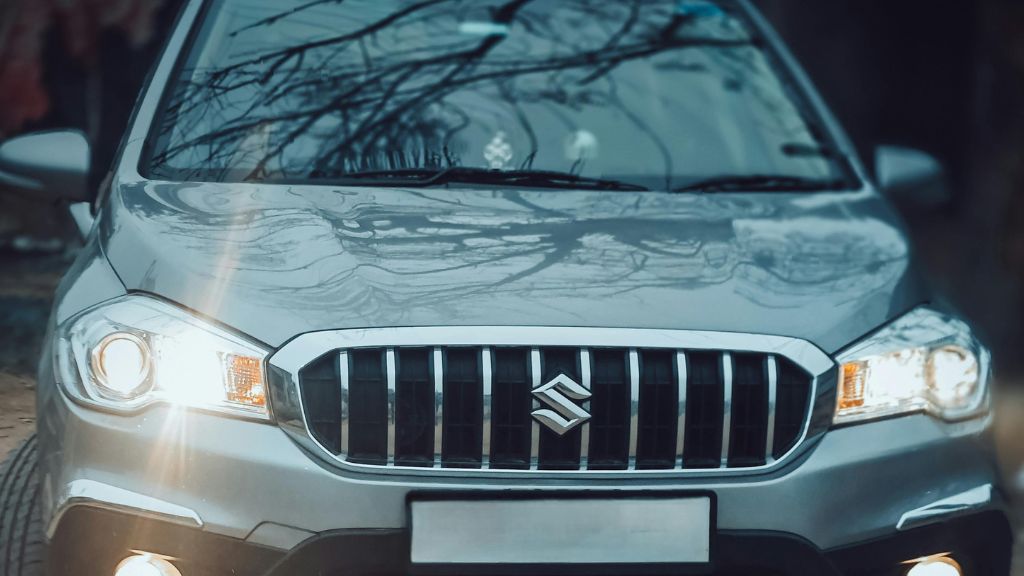
Yes. Maruti’s factory-fitted CNG variants – which have been among the most popular choices in India as CNG fuel cost advantages grow – will also see price increases in June 2026. The CNG variants of the Swift, Baleno, Dzire, Ertiga, and S-CNG Alto will all see similar Rs 20,000–30,000 increases. The fuel cost advantage of CNG remains compelling despite the price hike – a CNG car’s operating cost advantage over petrol more than compensates for the increased purchase price within 18–24 months of typical Indian driving.
How Maruti’s June 2026 Prices Compare to Competitors
| Segment | Maruti (After June Hike) | Hyundai | Tata | Kia |
| Hatchback (entry) | Alto K10 ~Rs 4.20L | i10 Nios Rs 5.74L | Tiago Rs 5.60L | – |
| Premium Hatch | Baleno ~Rs 6.89L | i20 Rs 7.04L | Altroz Rs 6.60L | – |
| Sub-4m SUV | Brezza ~Rs 8.64L | Venue Rs 7.94L | Punch Rs 6.30L | Sonet Rs 7.79L |
| Compact SUV | Grand Vitara ~Rs 11.29L | Creta Rs 11.00L | Nexon Rs 8.10L | Seltos Rs 10.89L |
After the June hike, Maruti remains competitive in most segments – its volume advantage, service network (3,500+ workshops), and fuel efficiency leadership maintain its market position even at slightly higher prices.
Frequently Asked Questions (FAQ)
Q: Will Maruti dealerships still sell at old prices after June 1?
A: Vehicles with allotment dates before June 1, 2026 that are physically available at the dealership may be sold at pre-hike prices through mid-June as dealers clear existing inventory. However, fresh orders placed from June 1 will be invoiced at new prices.
Q: Is this price hike permanent or temporary?
A: Maruti’s price adjustments are typically permanent unless input costs fall significantly, which has been rare historically. Once prices are increased, they rarely come back down – they may be partially offset by increased discounts or exchange bonuses during festive seasons instead.
Q: Which Maruti model is the best value to buy before the hike? A: The Maruti Swift and Brezza offer the best value proposition when bought before the June hike – they are seeing the maximum Rs 30,000 increase, are highly popular resale-value vehicles, and the saving is most meaningful relative to their price point.