| I have been driving long distances in India since 2009. The road network I drive in 2026 is genuinely different from 2009 — not uniformly better, and understanding the real change matters when planning a long drive. |
People who drive Indian highways regularly are divided into two camps. Those who drove Indian roads before 2015 are amazed by the improvement. Those comparing to European or Japanese standards are frustrated by what remains. Both reactions are valid. Both miss the nuance that actually matters for planning and executing a long drive in India in 2026.
What Has Genuinely Improved
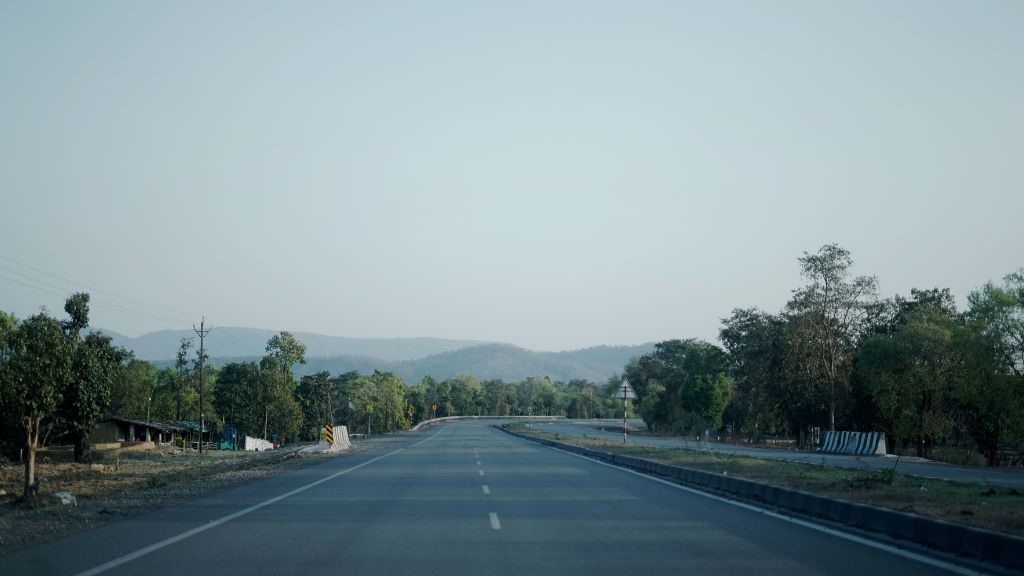
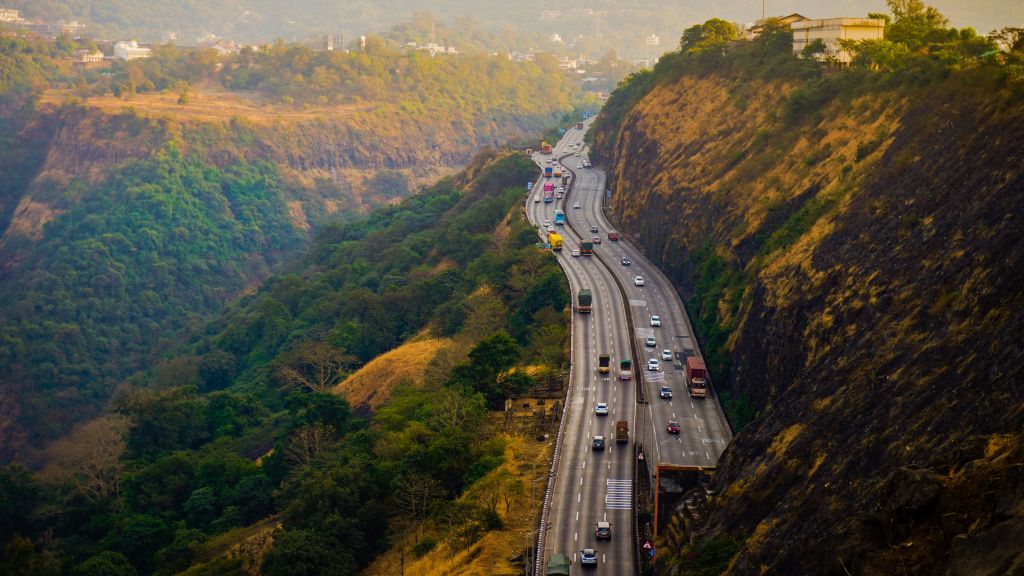
The expressway network: The Yamuna Expressway, Mumbai-Pune Expressway, Delhi-Meerut Expressway, and expanding Delhi-Mumbai Industrial Corridor sections are genuinely world-class. Well-lit, well-maintained, with rest areas and emergency response that function. Delhi-Agra on the Yamuna Expressway in 2026 bears no resemblance to the same journey in 2009.
Road surface on major NHs: NH48 Delhi-Mumbai, NH44 North-South, NH58 Delhi-Haridwar have seen significant resurfacing in the last 4-5 years. Where good, they are genuinely good — smooth enough for 110 km/h without discomfort. The problem is consistency.
Rest stop infrastructure: The most dramatic improvement of the decade. High-volume routes now have proper rest plazas with food courts, clean washrooms, and petrol stations. NH48 Delhi-Jaipur has five proper rest stops in 280 km. In 2015 there were essentially none.
Emergency response: NHAI highway patrol and the 1033 helpline are meaningfully more responsive than five years ago. Response times on major expressways: typically 30-45 minutes on busy routes.
What Has Not Improved
Consistency after construction: India builds excellent roads and allows them to deteriorate. The construction-use-deteriorate-repair cycle has not fundamentally changed. A route excellent two years ago can develop significant problems within 12 months if maintenance funding is delayed.
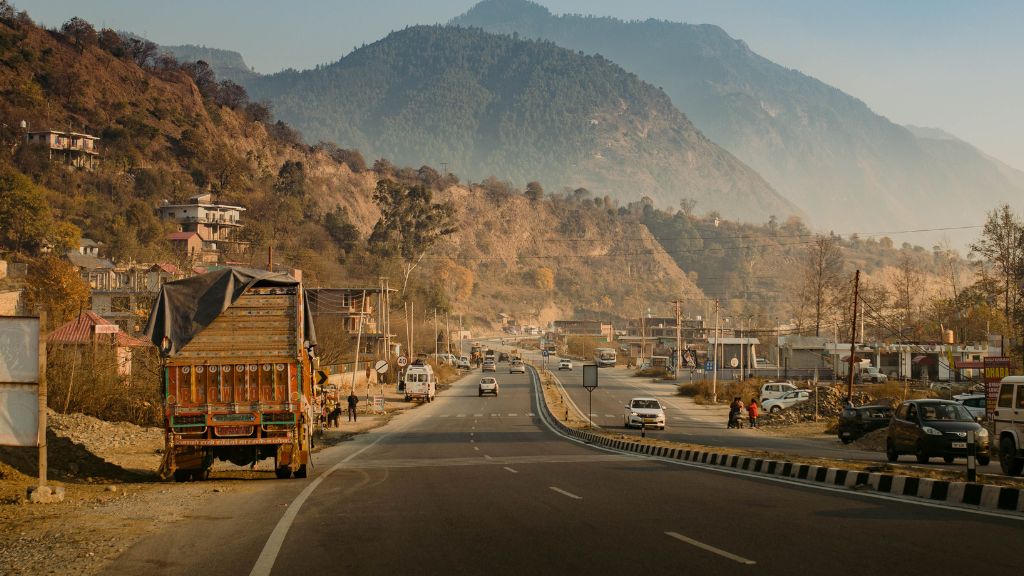
Two-lane state highways: Improvements concentrate on NHs and expressways. State highways — which cover the last 50-100 km of many trips — have improved far more slowly. Night driving on unmarked two-lane state highways remains demanding.
Signage on non-expressways: Direction signage on standard national highways is inconsistent. GPS is not optional on Indian road trips — it is essential. And even GPS requires cross-referencing because road data changes faster than mapping updates.
Route Reality Check for 2026
| Route | Quality | Best Time | Watch For |
| Delhi to Jaipur NH48 | Excellent 4-lane | Early morning or after 8 PM | Heavy trucks near Gurgaon |
| Delhi to Agra Yamuna Expressway | World-class expressway | Any time — well monitored | Speed cameras every 20 km |
| Mumbai to Pune Expressway | Excellent — seasonal fog | Avoid monsoon 5-8 AM fog | Heavy rain June-September |
| Bengaluru to Mysuru NH275 | Good 4-lane complete | Any time | Pedestrians near Mandya |
| Delhi to Chandigarh NH44 | Good — ongoing work | Avoid active construction zones | Lane closures short notice |
| Chennai to Bengaluru NH48 | Mixed — good then rough | Day driving preferred | Surface changes after Vellore |
Practical Long Drive Planning for 2026
- Use Google Maps and Waze but verify on the alternate if route seems unusual — neither is perfectly current on Indian roads
- Build in 20% more time than the app estimates for any route with urban areas at either end
- NHAI app shows real-time construction and lane closure information on national highways — check before starting
- After dark on non-expressway highways: reduce speed 20-30 km/h from daytime comfortable speed
- Carry physical cash for toll plazas — FASTag occasionally has technical issues at specific booths
- Fill fuel whenever tank drops to quarter — some stretches have 80-120 km between reliable stations
The EV Road Trip Question in 2026
The honest answer: yes, on specific routes. Delhi-Agra, Delhi-Chandigarh, Mumbai-Pune, and Bengaluru-Mysuru now have adequate fast charging coverage for EVs with 300+ km real range. Routes in eastern India, most of the Northeast, and secondary routes between tier-2 cities remain problematic for EV road trips without careful pre-planning and managed range anxiety.
| Also Read: Car Insurance Renewal Online India 2026 | |
Frequently Asked Questions
Q: Are Indian national highways safe for road trips 2026?
Major national highways and expressways are generally safe for road trips in 2026 with appropriate preparation. The specific risks that remain: speed differential between vehicles on non-divided highways, inadequate hazard warning signage, and night driving on undivided state highways. Driving in daylight, maintaining following distances, and sticking to expressways where available eliminates most of the risk that makes Indian roads statistically more dangerous than European equivalents.
Q: Best route for long drive from Delhi in 2026?
Delhi to Jaipur on NH48 is consistently the most enjoyable highway drive from Delhi — good four-lane road for most of 280 km, manageable traffic except near Gurgaon in morning, best rest stop infrastructure of any Delhi-outward route. Delhi to Agra on Yamuna Expressway is technically superior road quality but its monotony and very active speed enforcement make it less enjoyable as a driving experience.
Q: What to carry in car for long drive India?
Warning triangles two minimum, torch with working batteries, first aid kit, jumper cables, tow rope, portable tyre inflator from 12V socket, drinking water for all occupants, phone charger cable, NHAI helpline 1033 saved in phone. Physical cash for toll plazas. These are not theoretical precautions — each addresses something that regularly happens on Indian highways.