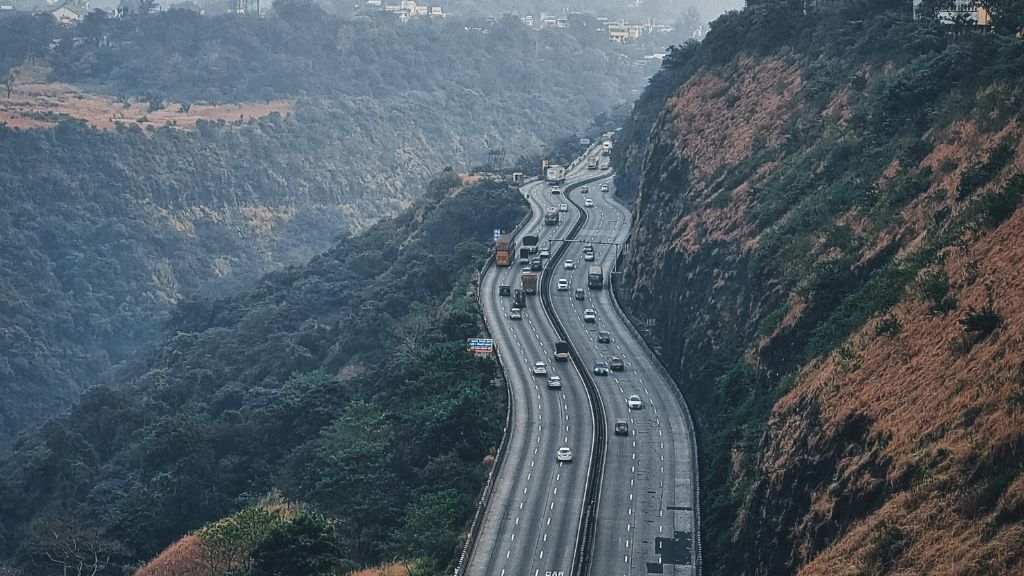
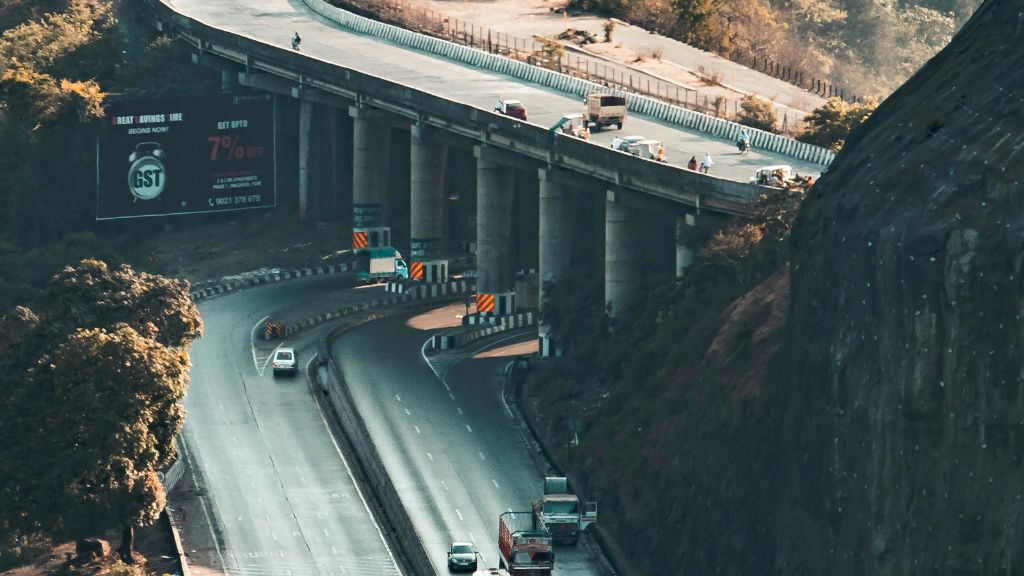
I have ridden over 45,000 km on Indian highways across 19 states over eight years. I have had breakdowns in the middle of Rajasthan at 2 AM, been caught in a flash flood in Meghalaya, navigated the Atal Tunnel in a blizzard, and ridden through Chennai in 44-degree heat. Every experience taught me something about long-distance travel in India that no reading could replace. This guide distills all of it into a framework you can actually use.
Pre-Trip Vehicle Preparation- The 48-Hour Checklist
| Check Item | How to Verify | Critical Level |
| Engine oil level + colour | Dipstick after 10min cool down | Replace if dark or below MIN |
| Tyre pressure (all 4 + spare) | Digital gauge when cold | Set to highway spec (+4 PSI vs city) |
| Tyre tread depth | Minimum 2mm – use tread depth gauge | Replace anything below 3mm before trip |
| Brake pad thickness | Visual through caliper window | Replace if below 4mm |
| Coolant level | Visual on reservoir | Top up with correct ratio only |
| Battery condition | Voltage check (12.4V+ when off) | Charge if below 12.2V |
| All lights functional | Test headlight, tail, indicators, brake | Replace any failed bulbs before departure |
| Windscreen washer fluid | Fill reservoir | Critical for monsoon trips |
Route Planning – The Research Stack That Actually Works
- Google Maps: download offline maps for your entire route before leaving WiFi
- IndiaDrives.com and Thrillophilia for recent user-reported road conditions
- State PWD websites for planned road construction notifications
- Facebook and WhatsApp groups for specific routes – real-time reports from riders who were there last week
- Always plan for 20–30% longer travel time than Google Maps estimates for Indian conditions
Smart Fuel Strategy for Long Distance
- Never let your tank drop below 30% on highways – your comfort buffer
- If range-to-empty shows under 100 km and next city is 80+ km away – fill up regardless
- Use Petrol Find app or Google Maps ‘petrol stations along route’ for remote stretches
- For bikes on very remote routes (Rajasthan desert, high Himalayan passes) – carry a 1-litre sealed petrol bottle
- Always observe the pump metre reset to zero before filling
What to Pack – Definitive Road Trip List
Safety and Emergency:
- First aid kit with bandages, antiseptic, ORS sachets, paracetamol
- Tyre puncture repair kit – tubeless plug kit for cars, tube patches for bikes
- Jump starter power bank (cars) – eliminates need to flag down strangers
- Emergency contacts saved offline: nearest hospital on route, RSA helpline
Navigation and Connectivity:
- Phone mount with USB charging – Quad Lock or SP Connect
- Airtel or Jio SIM with active data; BSNL for remote areas with private network gaps
- Portable power bank (20,000 mAh minimum) – essential when staying in remote areas
Comfort:
- Sunscreen SPF 50+ – highway exposure means hours of direct UV
- Reusable water bottle (2 litres minimum) – highway petrol station water is not always safe
- Microfibre towels – dry fast, pack small, double as windscreen cleaners
Highway Safety Rules That Actually Keep You Safe
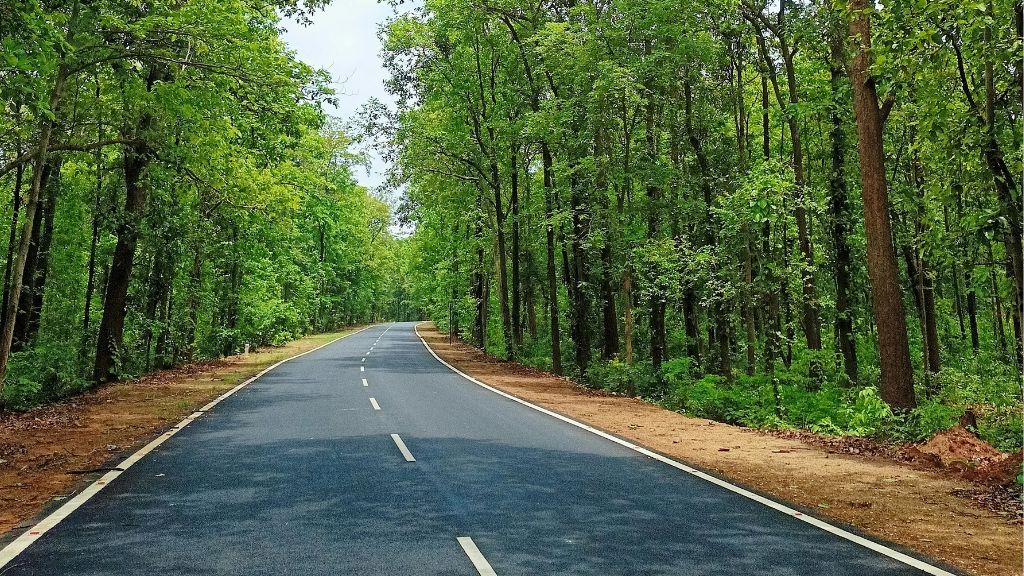
- Overtake only when you can see at least 200–300 metres of clear road – never blind overtake
- Avoid driving between 1 AM and 5 AM – highest proportion of impaired and fatigued truck drivers
- Never drive in the leftmost lane on four-lane highways – slow trucks and merge zone
- Maintain at least 4-second following distance from trucks – stones from tyres cause serious injuries
- Stop every 2 hours for a 15-minute break – fatigue causes more Indian highway accidents than anything else
Frequently Asked Questions (FAQ)
Q: What is the best time of year for a highway road trip in India?
A: October to March covers most of India excellently. For Himalayan routes: June to September before rains close high passes. For Northeast India: November to February for clear weather.
Q: Do I need special permits to drive on Indian highways?
A: Standard national highways require no permit. Border areas (Arunachal Pradesh, parts of Sikkim, Andaman) require Inner Line Permits – apply online 7–10 days before travel through the respective state government portal.
Q: Which apps should I have for an Indian road trip?
A: Essentials: Google Maps with offline maps, Zomato for highway towns, Oyo for accommodation, Paytm FASTag, Practo for locating hospitals, and Maps.Me as an offline backup when mobile data fails.