| These are real lessons from twelve years and three cars in India. Every one was avoidable with information I simply did not have at the time. |
There is an unofficial curriculum of Indian car ownership that nobody teaches formally. You acquire it gradually through unnecessary spending, inconvenient surprises, and the particular discomfort of realising that a decision made in the excitement of a new car purchase will cost money for the next five years. I have completed most of this curriculum the expensive way. Here is the condensed version — offered so your version can be shorter and cheaper.
Lesson 1 — First Year Insurance Is Overpriced and You Can Fix It
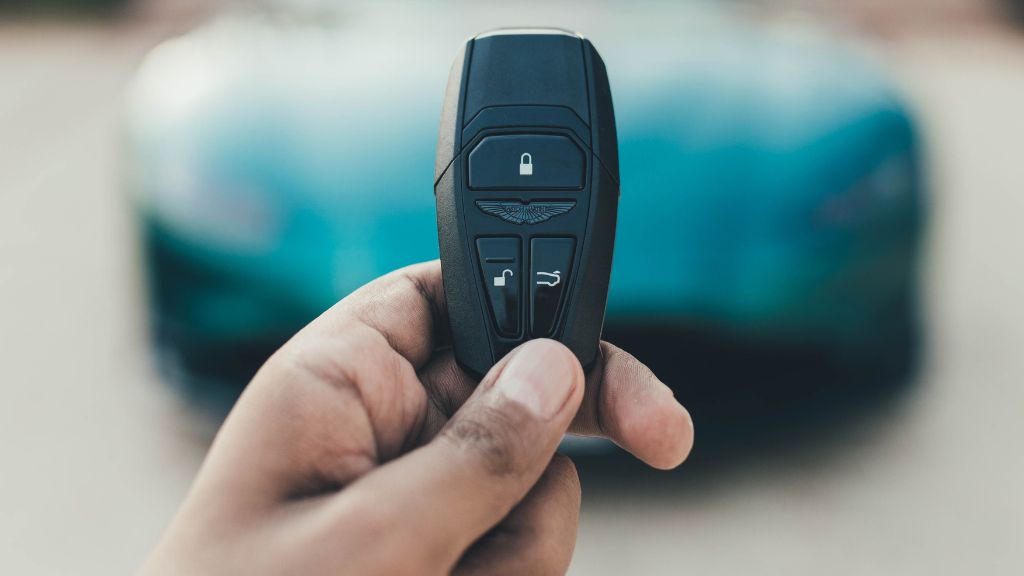
Dealer-arranged first year comprehensive insurance includes a margin for the dealership in the premium. On a Rs. 10 lakh car, dealer insurance might cost Rs. 22,000-28,000. Independent comparison on PolicyBazaar or InsuranceDekho gets the same coverage for Rs. 15,000-18,000. Only third-party liability insurance is mandatory at delivery — you can refuse dealer comprehensive and source it independently. I did not know this for my first car and overpaid approximately Rs. 6,000 in Year 1.
Lesson 2 — The Accessories Bundle Is the Most Profitable Thing the Dealer Sells
The accessories package — seat covers, 3D floor mats, dashcam, body cover, door edge guards — is presented at Rs. 18,000-35,000 at any Indian dealership. The same items from Amazon India or a local auto accessories market cost Rs. 5,000-9,000. Dealer markup on accessories is 200-400%. Refuse everything at the dealership. Buy separately at leisure. I paid Rs. 24,000 for an accessories bundle on my first car that I could have assembled for Rs. 7,500.
Lesson 3 — Tyre Pressure Is the Highest Return Maintenance Task
Underinflation by 8 PSI — very common in India where most drivers never check — reduces fuel efficiency 3-4% and accelerates tyre wear costing Rs. 1,200-2,000 per tyre in reduced lifespan. A Rs. 200 tyre pressure gauge checked every two weeks saves far more than it costs. Three minutes in your parking lot. The highest return per minute of any car maintenance action available to any Indian car owner.
Lesson 4 — Loan Interest Is the Invisible Large Cost
The EMI is visible. Total interest paid over the tenure is not shown anywhere in the standard Indian car buying process unless you ask. On Rs. 8 lakh at 10.5% for 60 months, total interest is Rs. 2.23 lakh — 28% of the loan amount in pure interest on top of the price you paid for the car. Choose the shortest tenure your budget supports. Make part-prepayments when bonus income arrives.
| Also Read: Car Loan EMI Calculator India 2026 | |
Lesson 5 — Cashless Insurance Garage Does Not Mean Best Workshop
Cashless insurance requires an empanelled garage — approved for direct billing to the insurer. These garages are guaranteed to accept your car. They are not guaranteed to be the highest quality workshop in your city. Insurers choose empanelled garages partly because they accept negotiated labour rates. For significant damage, ask whether your insurer allows a trusted non-empanelled workshop with reimbursement claim. The extra paperwork often produces meaningfully better repair quality.
Lesson 6 — Monsoon Preparation Is Maintenance
First monsoon as an owner: I did nothing specific. AC started smelling musty by August. Door seal water ingress marks by September. Undercarriage rust patches requiring treatment. Annual monsoon prep means: AC antibacterial evaporator treatment (Rs. 500-1,200), door seal inspection and replacement if worn, undercarriage anti-rust coating applied before rains (Rs. 1,500-3,500), new wiper blades, drain hole clearing in door frames. Skip this and pay more in repairs later.
Lesson 7 — A Dedicated Car Emergency Fund Is Not Optional
Financial planning for car ownership mentions EMI. It almost never mentions the emergency fund. Over five years, unexpected car expenses averaged Rs. 9,000-15,000 annually across all my cars — battery, unplanned repairs, pothole damage, one break-in. Keep Rs. 10,000-15,000 in a separate car emergency fund from day one. When the expense arrives, you draw from the fund instead of main savings.
Lesson 8 — Service Centre Recommendations Are Not All Equal
First time a service centre listed Rs. 14,000 of additional repairs beyond my scheduled service, I paid without questioning. Second time, an experienced friend who came with me asked the advisor to show us the specific components being cited. Two of four items could be comfortably deferred. One was genuinely needed. One was unnecessary. Ask to see the worn component before authorising any unplanned repair. Any reputable workshop will show you.
Lesson 9 — Parking in Shade Is Maintenance
Battery life in India’s 40°C+ summer sun is 40-50% shorter than in shaded parking. Dashboard cracks from UV in 3-5 years. Tyre sidewalls develop micro-cracks. A covered parking spot, a Rs. 600 windshield sunshade, and tinted rear windows collectively extend battery, interior and rubber component life in a way that costs less than one battery replacement. Parking in shade is not a comfort choice — it is a maintenance decision.
Lesson 10 — Resale Is Decided at Purchase, Not at Sale
I bought my first car in an unusual colour I loved. Five years later, I received Rs. 40,000 less than comparable silver cars at the same age, mileage, and service history. The only difference was the colour. Resale value is determined by decisions made at purchase — colour, brand, whether you keep service records, how you maintain the paint. The day you are across from a buyer offering less than you expected is not the moment to address these decisions.
Frequently Asked Questions
Q: What are the most expensive car ownership mistakes in India?
Most costly: dealer insurance Year 1 without comparison (Rs. 5,000-8,000 overpayment), accessories bundle from dealer (Rs. 10,000-20,000 overpayment), loan tenure too long (Rs. 50,000-1,50,000 extra interest over 72 vs 48 months), not maintaining documented service history (Rs. 20,000-60,000 resale penalty).
Q: How much to budget for unexpected car expenses India?
Rs. 8,000-15,000 per year in a dedicated car emergency fund separate from regular savings. Covers one battery every 3-4 years, one unplanned repair per year, miscellaneous small expenses. Cars over 5 years old: budget toward Rs. 15,000 end. Keep this fund separate so unexpected costs do not cause financial stress when they arrive.
Q: Why does parking in shade extend car life in India?
Indian summer ambient temperatures reach 45°C+. Inside a parked car, dashboard temperatures can hit 70-80°C in direct sun. This heat accelerates battery electrolyte breakdown (shortening life 40-50%), UV degrades dashboard plastic, rubber door seals, and tyre sidewalls. Shade parking, windshield sunshades, and UV-blocking window tint collectively protect these components at a fraction of their replacement cost.