
Neglecting routine maintenance is the single most common way car owners turn minor issues into expensive repairs. A vehicle that is properly maintained will reliably last 200,000 miles or more in 2026 – and modern cars are genuinely built to get there with consistent care. This checklist covers everything from weekly walk-arounds to annual inspections, organized by frequency so you never lose track of what needs attention.
Print this list, save it to your phone, or share it with a trusted mechanic. Your wallet and your safety will both benefit.
Monthly Maintenance Tasks
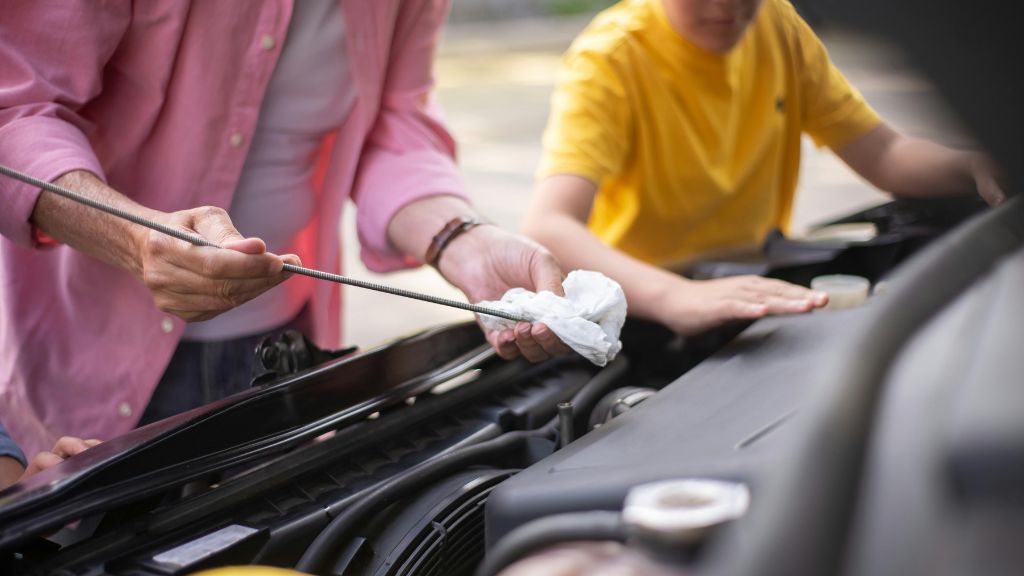
Check All Fluid Levels
Engine oil, coolant, brake fluid, power steering fluid (if applicable), and windshield washer fluid should all be checked monthly. Pull the relevant dipsticks and inspect reservoirs with the vehicle parked on level ground after the engine has cooled. Low brake fluid can indicate worn brake pads or a developing leak — both require immediate attention. Low coolant in a properly sealed system suggests a leak somewhere in the cooling circuit.
Inspect Tire Pressure
Tire pressure naturally drops approximately one PSI per month due to normal permeation through the rubber, and it drops faster in cold weather. Underinflated tires reduce fuel economy, increase tire wear, and compromise handling. Check with a quality gauge — digital gauges are more accurate than stick types — and inflate to the specification on the door jamb sticker, not the maximum pressure listed on the tire sidewall.
Test All Exterior Lights
Walk around your vehicle monthly and verify that all headlights, taillights, turn signals, brake lights, and reverse lights are functioning correctly. A burned-out brake light is a genuine safety hazard and a guaranteed invitation for a traffic stop. LED lighting systems fail less frequently than halogen bulbs, but they still fail — and when they do, replacement sometimes requires dealer-level tools on modern vehicles.
Every 3 Months or 3,000 Miles
Engine Air Filter Inspection
A clogged air filter restricts airflow to the engine, reducing performance and fuel economy. Inspect the air filter every three months and replace it when it appears gray or clogged with debris. In dusty environments — gravel roads, agricultural areas, desert regions — inspect more frequently. This is one of the easiest DIY maintenance tasks; most air filters require no tools to access.
Battery Terminals and Connections
Inspect battery terminals for corrosion — the white or bluish-green buildup that forms when battery acid contacts the terminal posts. Light corrosion can be cleaned with a mixture of baking soda and water applied with an old toothbrush. Significant corrosion warrants professional inspection. Modern stop-start systems put batteries under considerably more stress than traditional systems; check battery health annually.
Every 6 Months or 6,000 Miles
Tire Rotation and Inspection
Rotating tires every six months or 6,000 miles equalizes wear across all four tires, extending total tire life significantly. During rotation, inspect tread depth using the quarter test: insert a quarter into a tread groove with Washington’s head pointing down — if you can see the top of his head, you have less than 4/32 inch of tread remaining and should plan for replacement soon. Also inspect sidewalls for cracking, bulging, or embedded objects.
Brake Inspection
Have brake pad thickness measured every six months. Most brake pads have a wear indicator that produces a squealing sound when pads reach approximately 3mm thickness — do not wait for that sound before inspecting. Also inspect rotors for scoring, surface rust, and minimum thickness specifications. Catching worn brakes early allows pad replacement without rotor damage, saving considerable cost.
Engine Oil and Filter Change
Oil change intervals vary by manufacturer and oil type. Full synthetic oil in most modern engines can comfortably go 7,500 to 10,000 miles between changes. Conventional oil should be changed closer to every 5,000 miles. Always consult your owner’s manual — the old 3,000-mile rule is outdated for most modern vehicles using synthetic lubricants. Changing oil also means replacing the filter, which traps contaminants that would otherwise circulate through the engine.
Annual Maintenance Tasks
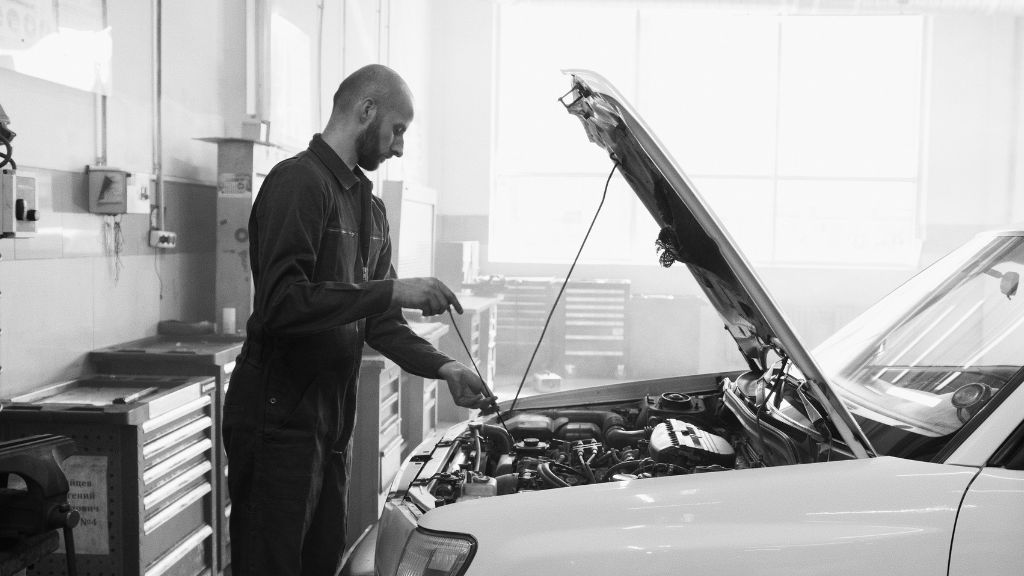
Cabin Air Filter Replacement
The cabin air filter cleans air entering the passenger compartment through the HVAC system. A clogged cabin filter reduces airflow from your climate control system and can allow allergens, pollen, and particulates to bypass filtration. Replace annually or more frequently if you regularly drive in dusty conditions. This is typically a simple DIY task requiring five to ten minutes and no special tools.
Spark Plug Inspection or Replacement
Conventional copper-core spark plugs typically require replacement every 30,000 miles. Iridium or platinum plugs can last 60,000 to 100,000 miles. Fouled or worn spark plugs reduce fuel economy, cause rough idle, and can damage catalytic converters over time. Your owner’s manual specifies the correct plug type and gap specification — never substitute a different specification to save a few dollars.
Coolant System Flush
Most manufacturers recommend a full coolant system flush every two years or 30,000 miles. Over time, coolant becomes acidic and loses its corrosion-inhibiting properties, allowing deterioration of metal components including the water pump, radiator, and heater core. Fresh coolant protects these expensive components and maintains proper freeze and boil-over protection across temperature extremes.
Drive Belt Inspection
The serpentine belt drives your alternator, power steering pump, air conditioning compressor, and sometimes the water pump. Inspect annually for cracking, glazing, fraying, or missing sections. A broken serpentine belt strands you immediately and can cascade into additional damage. Most mechanics recommend proactive replacement at 60,000 to 100,000 miles depending on the vehicle.
Every 30,000 Miles

Transmission Fluid Change
Many modern transmissions are marketed as sealed-for-life units, but fluid analysis consistently shows degradation over time. Most independent mechanics recommend changing automatic transmission fluid every 30,000 to 60,000 miles for vehicles used in normal conditions. Vehicles used for towing, performance driving, or in extreme climates should change fluid more frequently. Transmission rebuilds cost $2,000 to $5,000 — regular fluid changes are a far better investment.
Fuel System Cleaning
Carbon deposits build up on fuel injectors and intake valves over time, particularly on direct-injection engines where fuel does not wash over the valves. A professional fuel system cleaning service removes these deposits and restores fuel atomization quality. Symptoms of dirty injectors include rough idle, reduced fuel economy, and hesitation during acceleration.
Keeping Records: The Maintenance Log
Maintaining a detailed log of every service, replacement, and inspection is one of the most undervalued habits a car owner can develop. A complete service history significantly increases resale value — buyers willingly pay premiums for vehicles with documented maintenance records. Digitize receipts by photographing them, or use a dedicated app such as Fuelly or aCar to organize your history.
Following this checklist consistently will keep your vehicle reliable, safe, and performing at its best throughout its entire service life.