| I bought one car in October during Navratri and one in February during peak off-season. The February purchase was better by every financial measure. Here is exactly why. |
The advice to buy a car during India’s festive season — Navratri through Diwali — is repeated so confidently by so many sources that most buyers treat it as settled fact. Automotive journalists recommend it. Dealers celebrate it. But is the festive season buyer actually getting the best deal — or just the most heavily marketed one? Having experienced both sides, I can give you the honest answer.
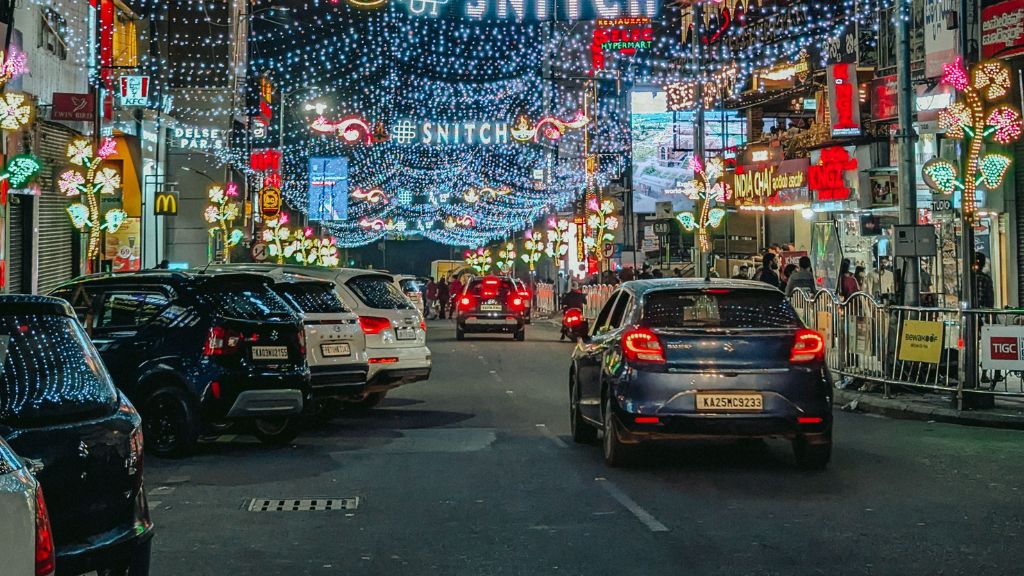
What Festive Season Creates for Car Buyers
- High buyer volume means dealers have less motivation to negotiate aggressively on standard models
- Popular variants develop 4-8 week waiting periods — your delivery gets rushed
- Exchange and finance offers are prominently marketed but their real value is often overstated
- Delivery attention suffers — a PDI that should take 30 minutes gets 12 when 40 cars are delivering that week
- End-of-model-year vehicles are genuinely discounted — this is the actual opportunity in festive season
What Off-Season Gives You
- Dealers are significantly more motivated — January volumes are 25-30% of October
- Handling charges negotiable to zero with minimal resistance
- Accessories bundle can be refused — dealer needs the sale more than your car accessories budget
- Thorough pre-delivery inspection — full service executive attention
- Fresh production date stock — not a car sitting in the yard since October
Real Comparison from My Two Purchases
| Factor | Hyundai Venue — October Navratri | Maruti Baleno — February Off-Season |
| Handling charges | Rs. 12,000 paid | Rs. 0 — negotiated to zero |
| Accessories bundle | Rs. 18,000 accepted under pressure | Refused — bought separately for Rs. 6,200 |
| Delivery wait | 31 days | 4 days |
| PDI time received | 15 minutes rushed | 35 minutes thorough |
| Insurance source | Dealer partner — overpaid Rs. 3,200 | Own comparison — saved Rs. 3,200 |
| Total preventable overspending | Rs. 30,000+ | Rs. 0 |
What Festive Discounts Actually Are
End-of-model clearance: Genuine. Old stock before new generation arrives is discounted to clear inventory. The real festive season opportunity.
Exchange bonus: Rs. 20,000-50,000 sounds significant. But the trade-in price offered for your car is 10-15% below private sale value. The bonus typically just covers this gap.
Finance subvention: Zero-interest for 6 months is real savings. But it reduces your negotiating room on the car’s actual price. Calculate total cost both ways before deciding.
The February-March Window — India’s Best-Kept Car Buying Secret
February to March 31 is when Indian dealerships face annual sales target reconciliation. A dealer who sold 85 units in October and needs 92 to hit the annual target in March will negotiate more aggressively than at any other point in the year. This financial year-end pressure consistently produces the best deals on standard running models — without festive season crowds, extended waiting periods, or rushed deliveries.
| Also Read: Car Loan EMI Calculator India 2026 | |
Frequently Asked Questions
Q: Is Diwali actually the best time to buy a car in India?
For outgoing models being replaced, yes — clearance discounts are genuine. For current generation running models, no — high October-November demand reduces dealer negotiating motivation. February-March financial year-end consistently offers better deals on standard models. Choose: outgoing model in festive season, current model in February-March.
Q: How much can you negotiate on a new car in India?
On a current model in off-season: handling charges to zero (Rs. 5,000-15,000 saving), accessories refused (Rs. 12,000-25,000 saving), independent insurance (Rs. 3,000-6,000 saving). Total realistic negotiating range: Rs. 20,000-46,000 without touching ex-showroom price.
Q: What is the best month to buy a car in India?
February and March for most buyers wanting current models. Financial year-end dealer pressure creates genuine room to negotiate. October-November for outgoing models being replaced. January is also strong — post-festive inventory clearing at dealer level creates some motivation on slow-moving variants.