US military has conducted fresh strikes on Iran today, according to Al Jazeera and NDTV reports trending on Google India right now. Iran has retaliated with strikes on Bahrain and Kuwait. The Strait of Hormuz — through which 20% of the world’s oil supply passes — remains under severe threat of closure.
This is not a new conflict. The US-Israel-Iran war began in late February 2026 and has already caused the largest global fuel crisis since the 1970s oil shock. For India, which imports approximately 50% of its crude oil from Middle Eastern countries, the impact has been significant and ongoing.
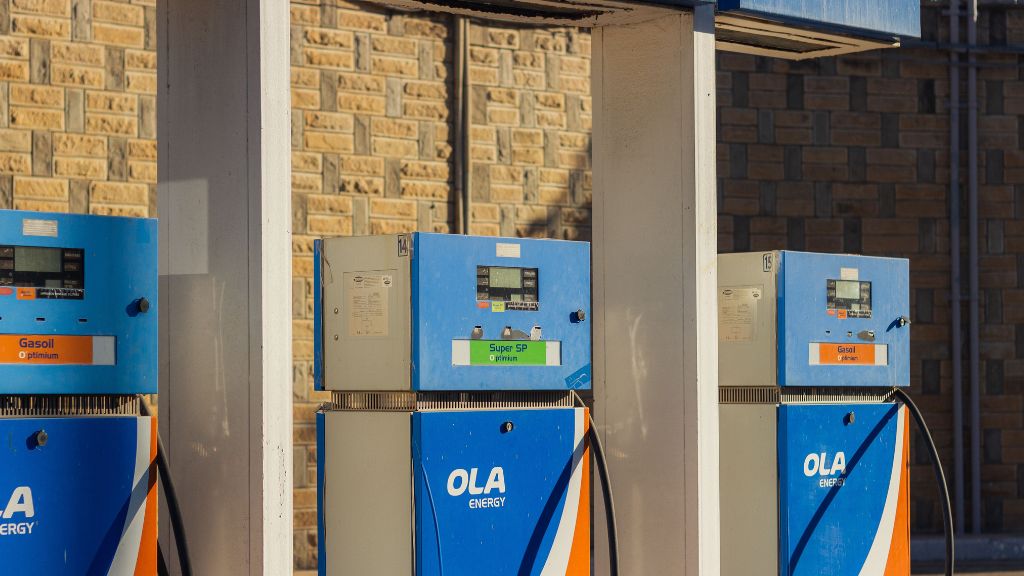
What Has Already Happened to Fuel Prices in India
- Brent crude surged from $80/barrel (pre-war) to above $120/barrel by March 2026 — a 50% spike
- India’s crude basket jumped to $120 per barrel (approximately Rs 11,150) — an all-time high
- The Indian government reduced excise duty by Rs 10/litre in March to prevent retail price spiral
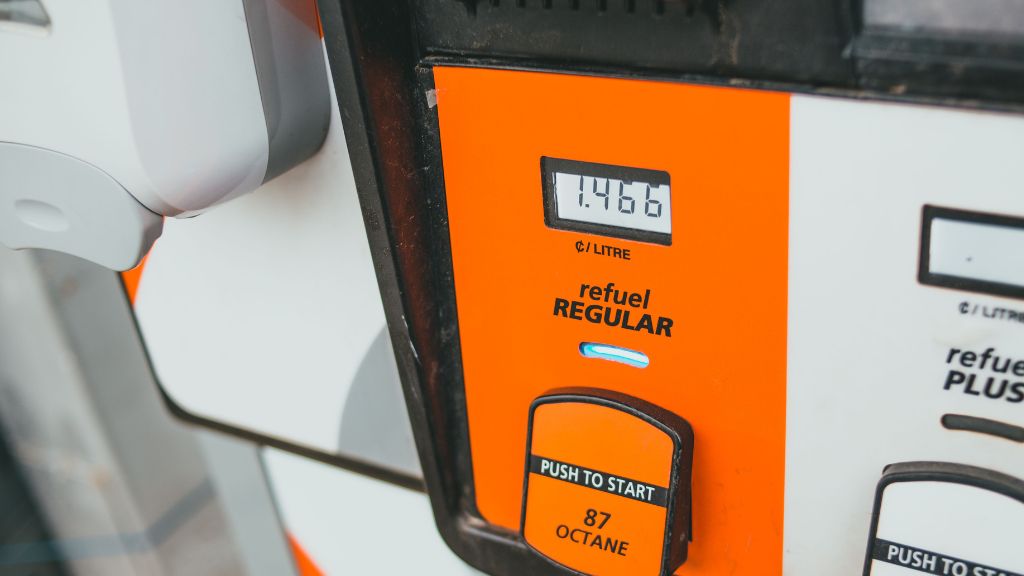
- Petrol today (June 28, 2026): Rs 103–111/litre across India (was Rs 94–100 before the war)
- LPG cylinder prices increased by Rs 60, affecting 60%+ households who use LPG for cooking
- India pivoted to Russian crude oil to offset the Middle East supply disruption
What Fresh Strikes Today Mean for Your Fuel Bill
Each new round of strikes increases the probability of Strait of Hormuz closure — the nightmare scenario for global oil markets. If the Strait closes even partially, crude could spike above $140/barrel. For India, every $10 rise in crude translates to approximately Rs 4–6 increase per litre at the pump.
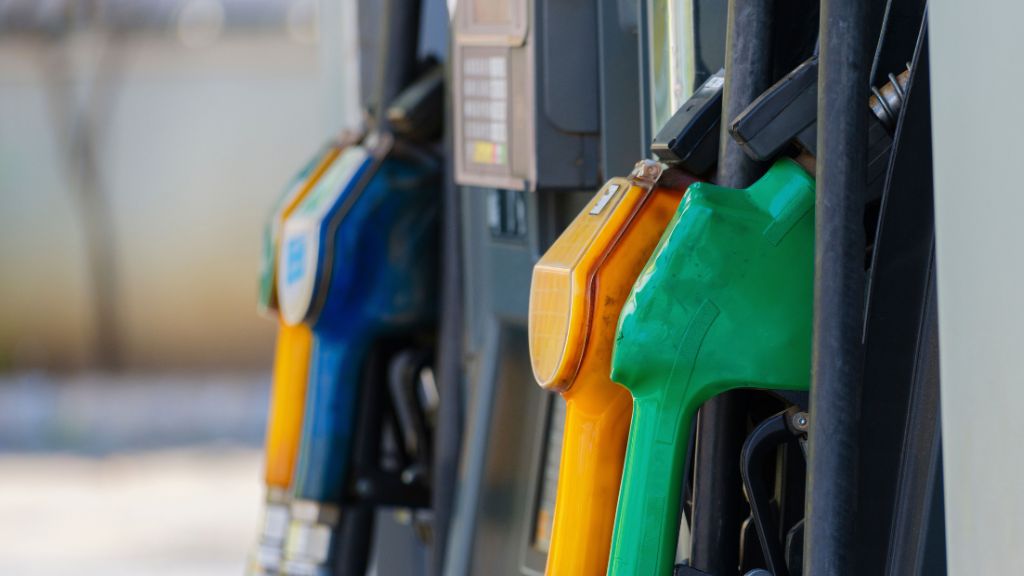
- If crude stays at current levels ($100–120): Indian petrol stable at Rs 103–111/litre
- If crude spikes to $140: Petrol could reach Rs 115–120/litre without government intervention
- If the government cuts excise again: Prices could be kept below Rs 105/litre despite global spike
How This Affects Your Car-Buying Decision Right Now
For Petrol Car Buyers
Running a petrol car at Rs 103–111/litre now costs Rs 6.50–7.50 per km (at 15 km/l average). Each Rs 10 increase in petrol adds approximately Rs 5,000–8,000 to annual running costs for an average driver. The war makes petrol costs permanently unpredictable.
For Diesel Buyers — The Bigger Risk
Diesel car buyers face a double hit: higher running costs AND resale risk. Several state governments are now seriously discussing diesel vehicle phase-outs for cities above 10 lakh population by 2030. The war has accelerated these conversations because diesel is the fuel most vulnerable to Hormuz-based supply shocks.
For EV Buyers — The Clear Winner From This Crisis
This crisis has made the EV case stronger than ever. Indian electricity is 75% coal-generated — coal comes primarily from domestic mines, completely insulated from Middle East tensions. Running an EV costs Rs 1.20–1.50/km versus Rs 6.50–7.50/km for petrol — a saving of Rs 5–6 per km.
- Annual saving (EV vs petrol, 15,000 km/year): Rs 75,000–90,000
- Break-even on Rs 3 lakh EV premium over petrol: 3.5–4 years at current prices
- If petrol hits Rs 120/litre: Break-even reduces to under 3 years
Should You Switch to EV Because of the Iran War?
- If you have home charging: Yes — the economics are compelling and getting stronger
- If you drive under 100 km daily in a city: Yes — EV covers your needs perfectly
- If you do frequent long highway trips: Consider CNG or wait for PHEV options from BYD
- If you were planning a petrol car purchase: Strongly reconsider — factor in Rs 103–120/litre for next 3+ years
The Iran war has permanently changed the risk calculus for petrol and diesel cars in India. What seemed like a speculative EV argument 12 months ago is now a financial reality. The Tata Sierra EV, launching tomorrow, arrives at exactly the right moment.