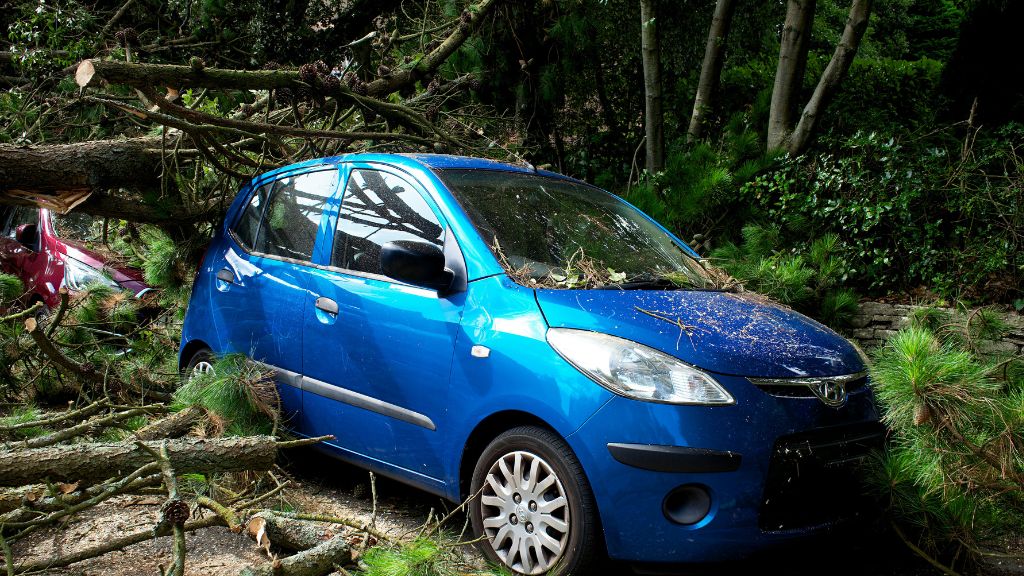
| I have made a car insurance claim in India. The process taught me things about my policy that I wish I had known before I bought it. This article covers what car insurance in India actually does and does not cover – the things that matter when something goes wrong, not the things that matter in the sales brochure. |
The accident that introduced me to the practical realities of car insurance in India was straightforward by accident standards. A two-wheeler reversed out of a narrow lane at speed and hit my driver’s side front door. Nobody was injured. The damage was real – the door was dented significantly enough to require panel replacement. The other driver had third-party insurance. I had comprehensive insurance. I assumed the process would be similarly straightforward.
It was – eventually. But the three weeks it took, the things I learned about what my policy did and did not cover, and the specific decisions I made that affected the outcome are things I wish someone had told me clearly before I needed them. This article is that conversation.
Third Party vs Comprehensive – The Actual Difference
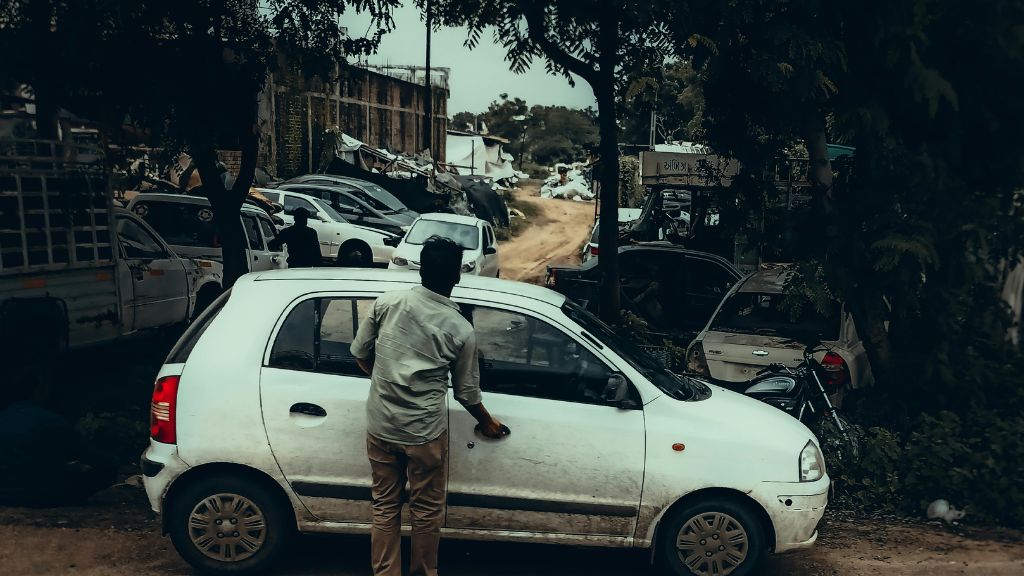
Third-party insurance is mandatory in India. It covers damage or injury you cause to other people and their property. It covers nothing that happens to your own car. If a tree falls on your car, if someone breaks into it and steals the stereo, if you misjudge a parking space and hit a pillar – third-party insurance does not help you. It exists to protect the other party, not you.
Comprehensive insurance adds Own Damage (OD) coverage – your own car. This is what most people mean when they say ‘full insurance.’ It covers your car against accidents, theft, fire, natural calamities including floods, and damage caused by other vehicles. It does not cover mechanical breakdown (that is what a warranty is for), normal wear and tear, or damage caused while violating traffic rules like drunk driving.
The premium difference between third-party and comprehensive for a mid-range Indian car is typically Rs. 8,000 to Rs. 15,000 annually. Third-party alone costs Rs. 2,000 to Rs. 4,000. The Own Damage component is the bulk of a comprehensive premium. Whether it is worth it depends on the car’s value – for a car worth less than Rs. 2 to Rs. 3 lakh, the premium might approach the value of a small claim, making the economics questionable. For any car above Rs. 5 lakh, comprehensive is almost always correct.
The Add-Ons That Actually Matter
Every insurance company will try to sell you add-ons at renewal. Most of them are worth something in specific situations. A few of them are worth buying almost universally:
Zero Depreciation Cover: When you make a claim for a replaced part, the insurer normally deducts depreciation from the payout – a 3-year-old bumper is not worth what a new bumper costs. Zero depreciation eliminates this deduction and pays the full replacement cost. On a comprehensive claim for significant damage, this add-on can mean the difference between Rs. 8,000 and Rs. 20,000 from your pocket. Worth buying for any car under 5 years old.
NCB Protect: Every year without a claim earns you a No Claim Bonus that reduces your premium – 20% after year one, up to 50% after five clean years. Making a claim resets this. NCB Protect allows one claim per year without resetting the bonus. Costs Rs. 400 to Rs. 800 annually. Worth it if your car is used in conditions where small claims are conceivable.
Engine Protection: Covers engine and gearbox damage from water ingress or oil starvation. Critical if you live in a flood-prone area – Chennai, Mumbai, Bengaluru, Kerala. Standard comprehensive policies specifically exclude engine damage from flooding. Without this add-on, driving through a flooded underpass and hydrolocking your engine is entirely your financial problem. Rs. 600 to Rs. 1,500 annually for peace of mind in monsoon.
Roadside Assistance: Towing, battery jump start, fuel delivery, flat tyre assistance. Available from most insurers at Rs. 300 to Rs. 600 annually. More convenient than calling friends or arguing with local tow truck operators about prices at midnight.
What Gets Claims Rejected – The Real List
This is the list that matters most because it is the one nobody reads until it is too late:
- Driving without a valid licence – not just an expired licence, also a licence for the wrong category (driving an LMV with only a motorcycle licence)
- Driving under the influence of alcohol or drugs – this is non-negotiable and absolute. No insurer pays for damage incurred while intoxicated.
- Using a private car for commercial purposes – if you registered your car as private and it was being used as an Ola or Uber vehicle at the time of the accident, the claim will be rejected
- Damage outside the policy period – sounds obvious but policies expire at midnight on the renewal date. Driving a car on an expired policy is both illegal and uninsured.
- Pre-existing damage not disclosed at policy inception – if the car had existing damage when you bought the policy and you did not disclose it, claiming for that damage is technically fraud
- Not reporting within the claim window – most policies require notification within 24 to 48 hours of an incident. Reporting five days later without a valid reason is grounds for rejection.
- Consequential damage – if your engine is damaged because you drove on a flat tyre that eventually destroyed the wheel and transmission, the ‘consequential’ damage beyond the original tyre incident may not be covered
The Claim Process – What to Do in the First 30 Minutes
The decisions made in the first 30 minutes after an accident have an outsized effect on how the claim resolves. Based on experience and what I have learned since:
- Document everything before the scene changes – photographs of all damage, the location, any other vehicles involved, tyre marks, road conditions. More photos than you think you need.
- Do not move the vehicle until you have documented it thoroughly, especially for major damage
- Call the insurer’s helpline within the incident day – most policies specify 24 hours. Getting the claim registered starts the clock and creates an official record
- For accidents involving another vehicle, note the other vehicle’s registration number, insurance details if visible, and contact details of any witnesses
- For significant damage, file an FIR – some insurers make this mandatory for claims above a certain amount and it strengthens your case regardless
The surveyor your insurer sends will assess the damage. Be present if possible. Any damage that is not documented in the survey cannot be added to the claim later. If you notice something after the surveyor has left, contact your insurer immediately and request a re-inspection rather than proceeding with the original assessment.
Frequently Asked Questions
Q: What does comprehensive car insurance actually cover in India?
Comprehensive car insurance in India covers your own vehicle against: accidental damage, theft, fire, natural disasters including floods, earthquakes, and cyclones, and damage caused by riots or strikes. It also covers third-party liability – damage and injury you cause to others. It does not cover: mechanical breakdown, tyre punctures, consumables (unless add-on), engine damage from flooding without the specific engine protection add-on, or damage incurred while driving under the influence.
Q: Is zero depreciation car insurance worth it in India?
For cars under 5 years old, zero depreciation cover is almost always worth the additional premium. When a claim involves replacing plastic, rubber, or glass components, standard insurance pays the depreciated value – which can be 30 to 50% less than the replacement cost for parts on a 3 to 4 year old car. Zero depreciation eliminates this gap. The additional annual premium is typically Rs. 2,000 to Rs. 5,000 – significantly less than the depreciation deduction on any mid-size claim.