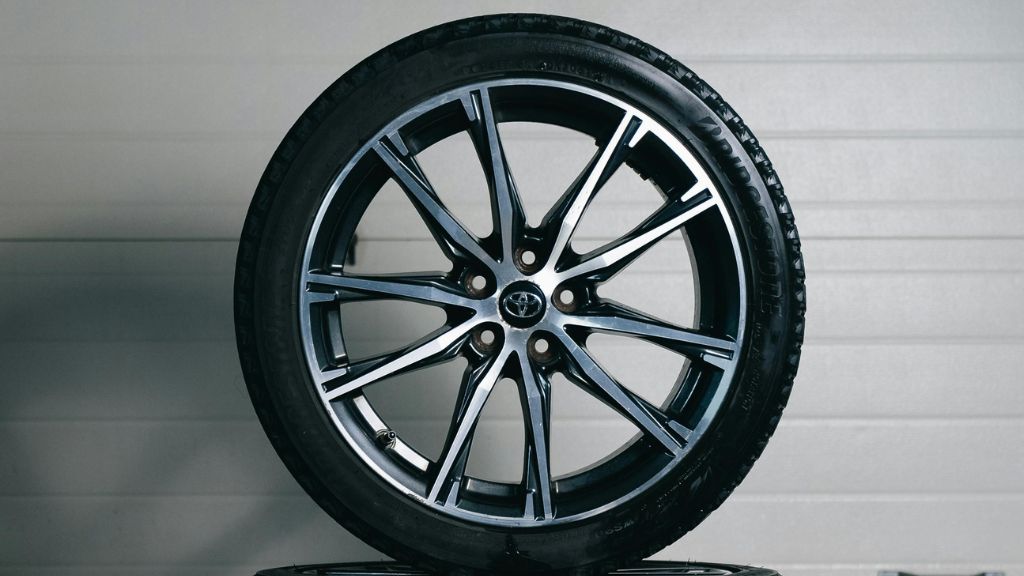
I used to buy whichever tyre the mechanic recommended. Then a friend – a mechanical engineer who spends his weekends on the racetrack – spent 20 minutes explaining tyre sidewall codes to me and I realized I’d been paying for mediocre grip while thinking I was saving money. The cheapest tyre isn’t the safest tyre, and the most expensive tyre isn’t always the best for your use case. Here’s what actually matters when choosing tyres for Indian roads in 2026.
Understanding Tyre Specifications – What the Numbers Mean
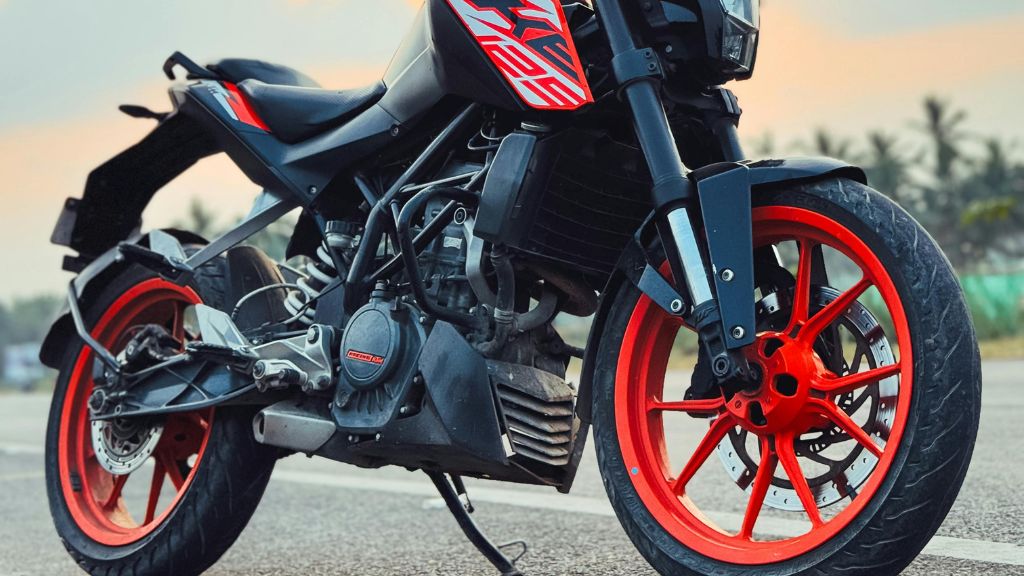
Every tyre has a sidewall code that tells you everything about it. For example: 120/80-17 on a bike, or 195/65 R15 on a car.
| Number/Letter | What It Means | Example |
| First number (bike: 120 / car: 195) | Tyre width in millimetres | 120mm wide / 195mm wide |
| Second number (80 / 65) | Aspect ratio – sidewall height as % of width | 80% of 120mm = 96mm sidewall |
| R / B / – | R = Radial, B = Bias Belt, – = Cross-ply | R = Radial construction |
| Rim diameter (17 / 15) | Wheel rim size in inches | Fits a 17-inch / 15-inch rim |
| Load index (e.g., 69) | Max load the tyre can carry | 69 = 325 kg per tyre |
| Speed rating (e.g., H / V) | Max speed rating | H = 210 kmph, V = 240 kmph |
Best Bike Tyre Brands in India 2026 – Honest Comparison
| Brand | Made In | Grip (Dry) | Grip (Wet) | Mileage | Price Range | Best Use |
| MRF | India | Good | Average | Excellent | ₹800–₹2,500 | Daily commuting, long mileage |
| CEAT | India | Good | Good | Good | ₹900–₹2,800 | Balanced all-round performer |
| TVS Eurogrip | India | Good | Good | Good | ₹850–₹2,600 | Value + performance balance |
| Michelin | France/Thailand | Excellent | Excellent | Good | ₹1,800–₹5,500 | Premium touring + sport |
| Metzeler | Germany/Thailand | Excellent | Excellent | Average | ₹2,000–₹6,000 | Sports bikes, RE riders |
| Pirelli | Italy/Thailand | Excellent | Excellent | Average | ₹2,500–₹7,000 | Performance motorcycles |
| Apollo | India | Good | Average | Very Good | ₹750–₹2,200 | Budget commuter tyres |
For most Indian commuters on 100–150cc bikes: MRF Nylogrip or CEAT Zoom offers the best combination of mileage, wet grip, and value. For Royal Enfield owners doing long highway rides: Michelin Road 5 or Metzeler Roadtec 01 transforms the riding experience. For sport bikes: Michelin Pilot Street 2 or Pirelli Diablo Rosso III.
Best Car Tyre Brands in India 2026
| Brand | Origin | Wet Grip | Dry Grip | Comfort | Price (185/65 R15) | Best For |
| MRF ZLX | India | B | B | Good | ₹3,200–₹4,000 | Budget hatchbacks, daily use |
| CEAT SecuraDrive | India | B | A | Good | ₹3,500–₹4,500 | Safety-focused budget option |
| Apollo Alnac 4G | India | B | A | Good | ₹3,800–₹4,800 | Performance on a budget |
| Bridgestone Turanza | Japan/India | A | A | Excellent | ₹5,500–₹7,500 | Comfort + touring |
| Michelin Primacy 4+ | France/India | A | A | Excellent | ₹7,000–₹9,500 | Premium safety, long life |
| Continental ContiPremium | Germany | A | A | Excellent | ₹6,000–₹8,500 | European performance |
| Goodyear Assurance | USA/India | B | A | Good | ₹4,500–₹6,000 | Mid-range all-rounder |
Tubeless vs Tube Tyres – Why Tubeless Always Wins for Modern Vehicles
All new motorcycles above 100cc and virtually all modern cars come factory-fitted with tubeless tyres – and for good reason. Here’s the practical difference:
- Puncture behavior: Tubeless tyres deflate slowly (over minutes or hours) when punctured by a nail. Tube tyres can deflate in seconds – causing sudden loss of control at highway speeds.
- Temporary repair: Tubeless punctures can be temporarily repaired roadside in 10 minutes with a plug kit (₹150–300). Tube tyre punctures require the wheel to be removed and the tube replaced.
- Running cost: Tubeless puncture repair costs ₹100–200. Tube replacement + labor costs ₹400–800.
- Heat management: Without a tube, there’s less friction and heat buildup inside the tyre at high speeds – marginally extending tyre life.
If your older bike uses tube tyres, check whether the rim allows a tubeless conversion before your next tyre change. Many alloy rims can be converted with the right rim tape and valves.
How to Read Tyre Age – The Manufacturing Date Code
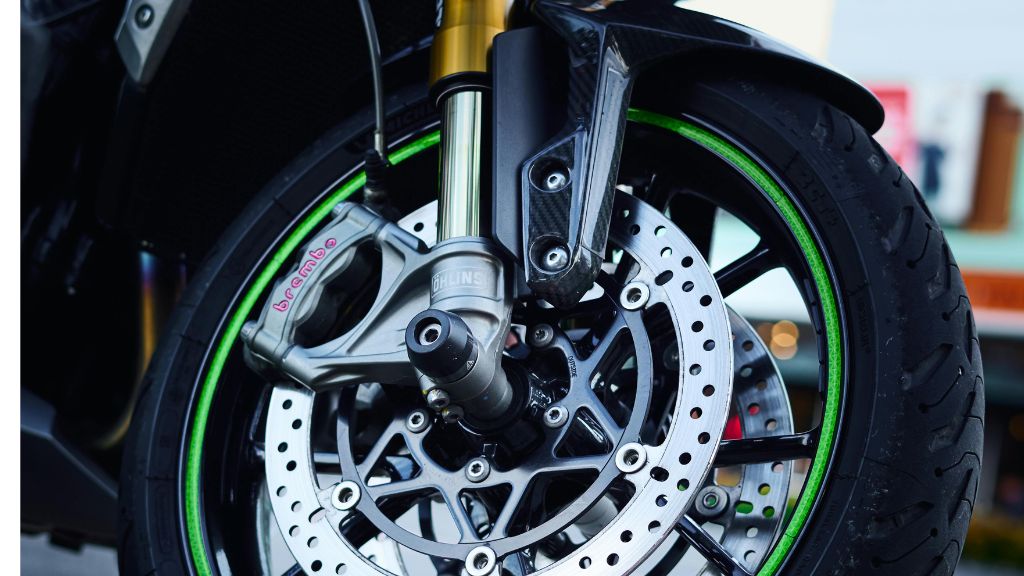
Every tyre has a DOT code stamped on the sidewall. The last 4 digits of this code tell you the manufacturing date – the first two digits are the week, the last two are the year. For example: DOT XXXX XXXX 1823 means the tyre was manufactured in the 18th week of 2023.
Why this matters: Tyre rubber degrades with age regardless of use. Even an unused tyre stored in a garage is considered unsafe after 5–6 years from the manufacturing date. Always check the DOT date when buying new tyres – some shops sell old stock. Avoid any tyre more than 2 years old from its manufacturing date, even if unused.
When to Replace Your Tyres – 6 Signs to Look For
- Tread depth below 2mm: Use a ₹100 tread depth gauge or the built-in tread wear indicators (small raised bumps in the tyre grooves)
- Visible cracking or sidewall bulge: Any crack or bubble in the sidewall means immediate replacement — no exceptions
- Uneven wear pattern: Excessive wear on one side indicates wheel alignment issues; worn center indicates over-inflation
- Age over 5 years from DOT date: Replace regardless of visual appearance
- Vibration at speed that wasn’t there before: Often indicates internal tyre damage or delamination
- After any major impact: A pothole hit or kerb strike at speed can cause internal damage invisible to the eye
Nitrogen vs Air in Tyres – Is It Actually Worth It?
Tyre shops often charge ₹50–100 per tyre to fill with nitrogen instead of regular air. Here’s the honest verdict: the benefits are real but modest. Nitrogen molecules are slightly larger than oxygen molecules, so they leak through tyre walls more slowly – you’ll lose pressure about 30–40% more slowly than with air. Nitrogen also maintains more consistent pressure across temperature changes.
For a daily commuter: not worth the ongoing cost and hassle of finding nitrogen refills. For touring bikes doing 500+ km trips or performance vehicles: the more consistent pressure maintenance has measurable benefits in stability and fuel efficiency. For most users: check and maintain correct air pressure monthly — this delivers 90% of the benefit of nitrogen at zero cost.
Tyre Pressure Maintenance – The Most Ignored Safety Check
Under-inflated tyres are the single most common tyre-related safety hazard in India. A tyre that is 20% under-inflated runs significantly hotter, wears edges faster, handles poorly in corners, and reduces fuel efficiency by 3–5%. The correct tyre pressure is printed on a sticker inside your vehicle’s door jamb or in the owner’s manual – not on the tyre sidewall (that number is the maximum pressure, not the recommended pressure).
- Check tyre pressure monthly when tyres are cold (parked for 3+ hours)
- Always keep a digital tyre pressure gauge in your vehicle (cost: ₹200–400)
- Increase rear tyre pressure by 4–6 PSI when carrying a pillion rider or heavy load
- Reduce pressure in both tyres slightly for off-road or heavily potholed roads
Frequently Asked Questions (FAQ)
Q: How often should I change bike tyres in India?
A: Rear tyres typically last 12,000–18,000 km for daily commuters; front tyres last 20,000–25,000 km. Performance and touring tyres have shorter lifespans (8,000–12,000 km rear) but significantly better grip. Replace based on tread depth and age, not a fixed km interval.
Q: Can I mix tyre brands on front and rear?
A: It’s technically possible but not recommended. Mixing brands with different rubber compounds can create unpredictable handling, especially in emergency braking or cornering situations. If you must mix, ensure both tyres have similar tread pattern types (both radial, both sport-touring, etc.).
Q: Is it worth buying premium imported tyres for a commuter bike?
A: For a standard 100–150cc commuter bike used primarily in city traffic, premium imported tyres offer minimal practical benefit over quality Indian brands like MRF or CEAT. The grip advantage of Michelin vs MRF only becomes meaningful at speeds and lean angles that city commuting rarely reaches.
Q: What tyre pressure should I use for highway riding?
A: For highway riding above 100 kmph, increase pressure by 4–6 PSI above the standard city recommendation (as specified in your owner’s manual). Higher speeds generate more heat, and slightly higher pressure improves stability at speed.