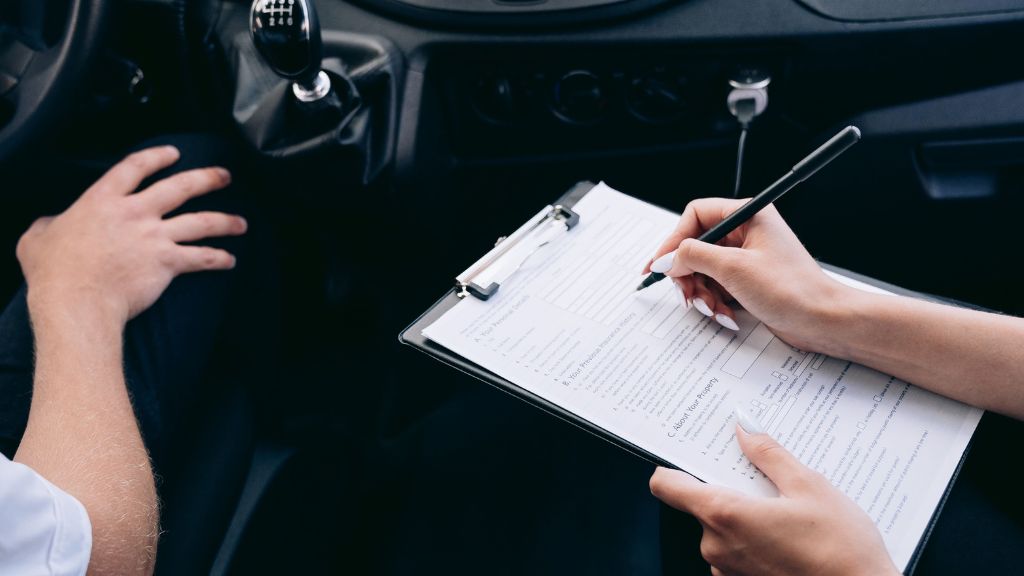
Nobody expects to have a car accident. Which means almost nobody knows exactly what to do in the minutes and hours after one happens. That gap — between not knowing and knowing — is what costs Indian car owners lakhs of rupees in rejected or reduced claims every year.
This guide covers the complete car insurance claim process in India for 2026, from what to do while you’re still sitting at the accident scene to receiving your final settlement. Every step is here, in plain language, in the right order.
The First 30 Minutes After an Accident — What You Do Here Determines Your Claim
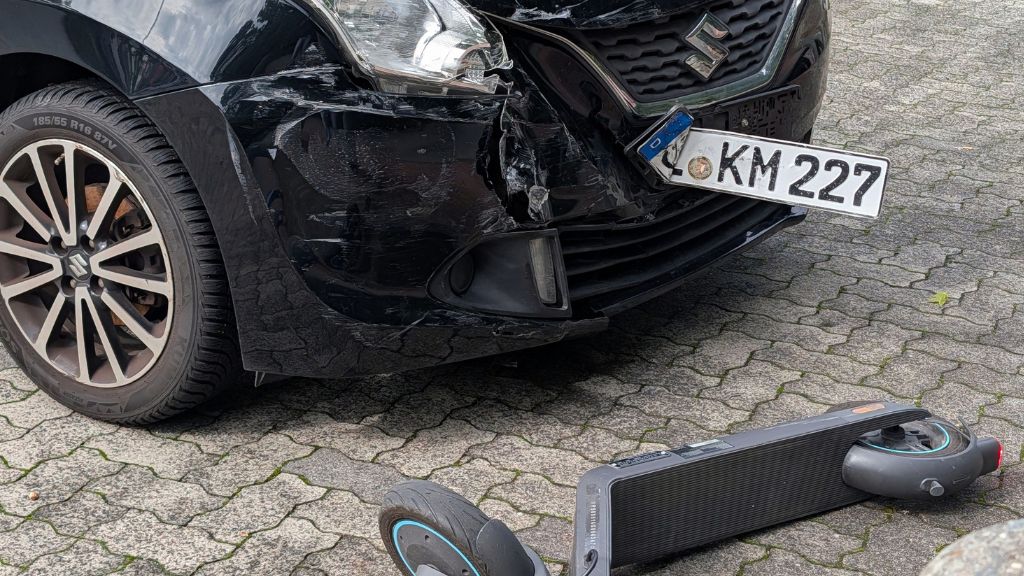
Insurance companies in India process claims based partly on the documentation created in the immediate aftermath of an accident. The quality of that documentation — photos, FIR details, witness information — directly affects whether your claim is approved and how much you receive.
Step 1: Don’t Move the Vehicles Immediately
If the accident is not blocking emergency traffic and it’s safe to leave the vehicles in place, don’t move them until you’ve photographed everything. The position of vehicles after an accident is evidence. Courts and insurance surveyors use it to establish fault and reconstruct what happened.
Step 2: Photograph Everything Within 10 Minutes
- Both vehicles from multiple angles — front, rear, sides, and the point of impact
- The road conditions — puddles, potholes, construction debris, or anything relevant
- The surrounding area — road signs, traffic signals, lane markings
- The other driver’s licence, registration certificate, and insurance documents — photograph these
- Any injuries — photograph visible injuries on yourself or passengers (relevant for personal accident claims)
- The number plates of both vehicles — clearly, from close up
Your phone camera is sufficient. What matters is that these photos are timestamped and geotagged — make sure your phone’s location services are turned on. Modern photo metadata is accepted as evidence by Indian insurers.
Step 3: File an FIR If the Damage Is Significant
An FIR (First Information Report) at the nearest police station is mandatory if: anyone is injured, the damage appears to exceed Rs 50,000, or the other party disputes who was at fault. For minor scratches with agreed mutual fault and no injuries, an FIR is optional but still recommended.
The FIR number is one of the documents your insurer will require for the claim. File it within 24 hours of the accident if possible. Keep the FIR copy — you’ll need it.
Step 4: Intimate Your Insurance Company Within 24–48 Hours
This is the step most Indian car owners delay — and it’s the one that gets claims rejected more than any other. Every insurance policy in India has a clause requiring intimation within a specified period after an accident. Some policies specify 24 hours, others allow 48 hours or 7 days. Check your policy document now, before you need it.
Call your insurer’s claim helpline immediately. Don’t wait until you know the full repair estimate. Don’t wait until you’ve found a garage. Call first, then handle logistics. The claim number given to you on this call is your reference for everything that follows.
- HDFC Ergo: 1800-2700-700
- Bajaj Allianz: 1800-209-0144
- Acko Insurance: Claims via app (fastest in 2026)
- New India Assurance: 1800-209-1415
- ICICI Lombard: 1800-2666
Delayed intimation — not the accident itself — is the #1 reason car insurance claims are rejected in India. The insurer’s argument: if you didn’t tell them within the required period, they couldn’t manage the claim properly. Call them first.
Cashless Claim vs Reimbursement — Which Should You Choose?
Cashless Claim
Take your car to a network garage — a workshop empanelled with your insurer. The insurer pays the garage directly. You pay only the compulsory deductible, any non-covered items, and the depreciation amount (unless you have zero depreciation cover). You don’t spend your own money and wait for reimbursement.
Always try cashless first. Find your insurer’s network garage list through their app or website before the accident, not after. Save the list in your notes. The closest network garage to where you live and where you work are the two most important entries.
Reimbursement Claim
You pay the garage bill yourself, then submit all bills and documents to the insurer, who reimburses you — minus deductible and depreciation. Use reimbursement only when your preferred trusted garage is not in the network and the repair is too complex to trust an unfamiliar workshop.
Reimbursement takes longer — typically 15–30 days for payment vs. immediate cashless settlement. It also requires meticulous documentation of every bill.
Documents Required for Car Insurance Claim in India 2026
- Duly filled claim form — available from your insurer’s app, website, or branch
- Policy document or policy number
- RC (Registration Certificate) of your vehicle — original or certified copy
- Valid driving licence of the driver at the time of accident
- FIR copy — if applicable (injury or significant damage)
- Repair estimate from the garage — on letterhead with GST number
- Original repair bills and payment receipts (for reimbursement claims)
- Photographs of damage — timestamped
- PAN card — for settlements above Rs 1 lakh (mandatory under income tax rules)
- Bank details for settlement amount transfer
Keep digital copies of all these documents in a folder on Google Drive. In the stress of a post-accident situation, finding physical documents is harder than it sounds.
Why Claims Get Rejected — and How to Avoid It
- Delayed intimation: Call within 24 hours. No exceptions.
- Driver without valid licence: If the driver’s licence was expired at the time of the accident, the claim is void. Check your licence expiry today.
- Drunk driving: A positive breathalyser reading voids the claim completely. This is non-negotiable in all Indian policies.
- Using a private vehicle for commercial purpose: If your personal car was used for commercial purposes (Ola/Uber, delivery) without commercial endorsement on the policy, the claim can be rejected.
- Not following the surveyor process: If the insurer appoints a surveyor to inspect the damaged vehicle, don’t repair the car before the surveyor sees it. Pre-repair inspection is often a policy requirement.
- Wear and tear items: Tyres, batteries, and brake pads are wear-and-tear items. Their replacement is not covered under standard comprehensive policies unless damaged in the accident itself.
How Long Does a Car Insurance Claim Take in India?
- Cashless claim at network garage: 3–7 days from survey to repair completion, settlement immediate
- Reimbursement claim (straightforward): 15–21 working days from document submission to bank credit
- Reimbursement claim (disputed or complex): 30–60 days
- Total loss (vehicle written off): 30–45 days for settlement calculation and payment
If your claim is taking longer than these timelines, escalate in writing to the insurer’s grievance officer. The IRDAI (Insurance Regulatory and Development Authority of India) mandates that grievances be addressed within 15 days. If the insurer does not resolve your complaint, file a complaint at igms.irda.gov.in — the IRDAI’s integrated grievance portal.
Don’t accept a settlement that seems too low without questioning it. Ask the surveyor for a written explanation of how the settlement figure was calculated. You have the right to negotiate.
The Zero Depreciation Add-On — Why It Matters at Claim Time
Standard comprehensive car insurance applies depreciation to parts replaced during repairs. A front bumper on a 3-year-old car might be valued at 70% of its replacement cost — you pay the other 30% yourself. On a significant repair, this out-of-pocket depreciation deduction can run to Rs 20,000–50,000.
Zero depreciation (also called ‘bumper-to-bumper’) cover removes this deduction — the insurer pays the full replacement cost of parts. On a car under 5 years old, zero dep typically costs Rs 2,000–7,000 extra per year in premium. If your car needs a single significant repair, that add-on pays for itself many times over.
For 2026 renewals: always add zero depreciation if your car is under 7 years old. It is the single most valuable car insurance add-on available in the Indian market.