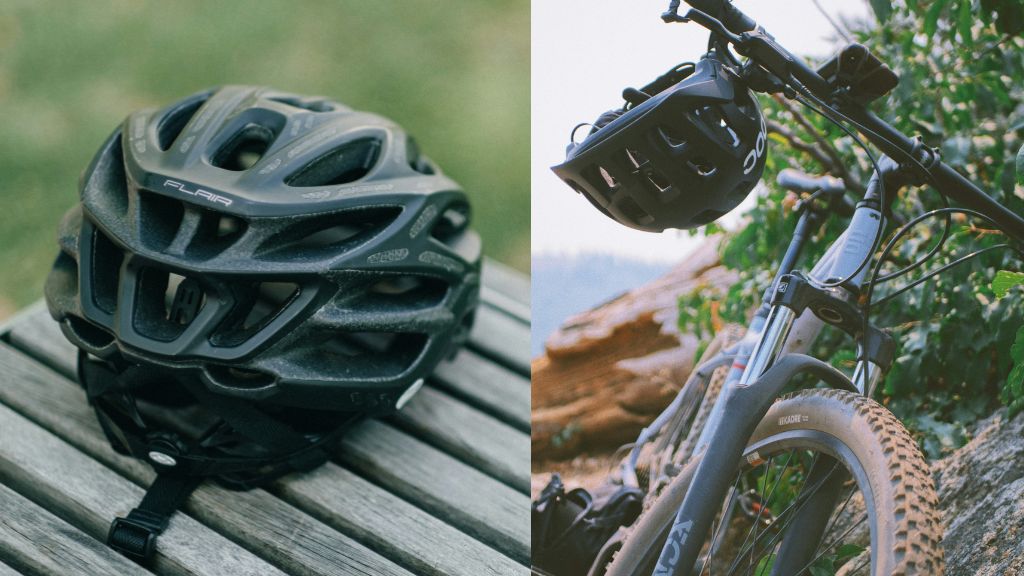
A helmet is not just another bike accessory
When you buy a motorcycle, it is easy to spend hours comparing mileage, engine power, tyres and features. The helmet often gets treated as an afterthought. That is a mistake. Your helmet is the one piece of riding gear designed to protect the part of your body that cannot simply be replaced. In India, where traffic can change from a quiet road to a crowded intersection within seconds, a good helmet needs to do more than look attractive. It should fit correctly, stay securely fastened, provide useful coverage and carry the required Indian certification.
The phrase best bike helmets in India can mean different things to different riders. A college student commuting through city traffic may want something light and affordable. A rider who travels between cities may care more about stability, visor quality and wind noise. A touring rider may prioritize ventilation, a comfortable liner and compatibility with an anti-fog system. That is why this guide focuses on how a helmet performs for a particular type of rider rather than declaring one expensive model the winner for everyone.
What makes a helmet worth buying in 2026?
The first filter should be certification. The Government of India has required BIS certification for protective helmets for two-wheeler riders under the applicable quality-control framework, with IS 4151:2015 being the relevant Indian standard. Consumers are also advised to avoid helmets carrying questionable or counterfeit markings. A genuine certification mark is more important than a flashy graphic, oversized spoiler or social-media trend.
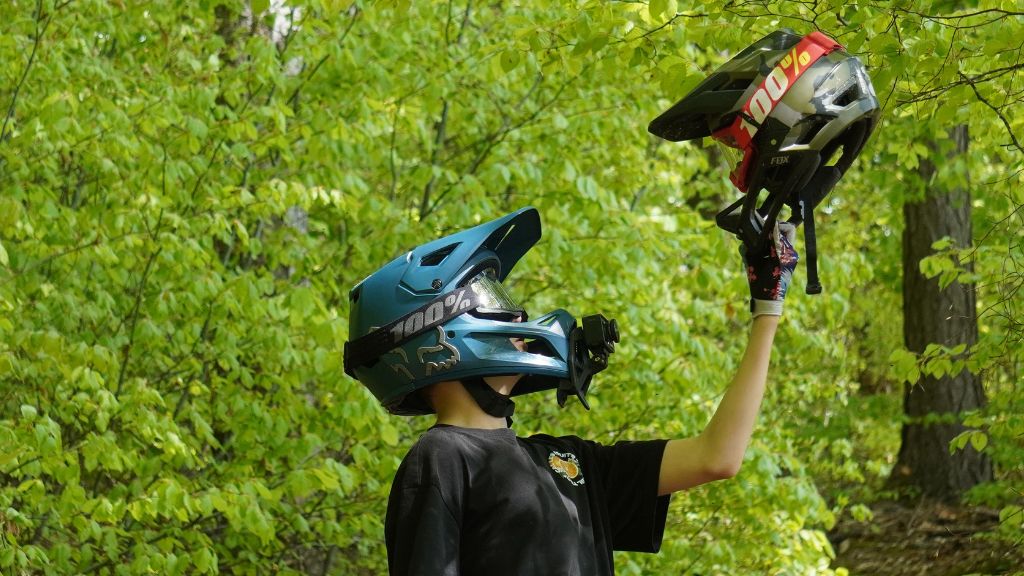
After certification comes fit. A helmet can have excellent specifications and still be a poor choice if it is too loose, painfully tight in the wrong places or shaped differently from your head. The helmet should sit firmly without creating a severe pressure point. When you move your head, the helmet should move with you instead of sliding independently. The chin strap should also be secured every time you ride.
Then consider construction, visor quality, ventilation, liner comfort, weight and the type of riding you actually do. More expensive does not automatically mean more suitable. The best helmet is the one you can wear correctly and consistently.
Our practical top picks
For everyday Indian riding, full-face helmets from established brands are usually the safest place to start. Models such as Steelbird full-face options, Studds full-face models, Vega full-face helmets and higher-spec choices from Axor, SMK and MT are commonly considered across different budgets. Exact model availability and pricing change frequently, so buyers should verify the current certification, size and seller information before ordering.
Axor Hunter is an interesting option for riders who want a more sporty full-face shape and features such as a dual visor or Pinlock-ready setup on selected variants. SMK Typhoon is another option for riders who want a more premium-feeling shell and touring-oriented features without jumping immediately into the highest price category. MT Thunder 4 SV sits much higher in price, but it appeals to riders who prioritize premium construction and advanced certification features.
For a budget-focused commuter, Steelbird, Studds and Vega models can make more sense than stretching the budget for a premium helmet. The important point is not to compare helmets only by brand name. Compare the exact model, certification, fit, liner, visor and warranty.
Full-face vs open-face: which is better?
A full-face helmet covers the head, sides and chin area, making it the preferred format for riders who want maximum coverage. It is especially sensible for highway riding, longer journeys and riders who spend substantial time on faster roads. A full-face design also reduces direct exposure to dust, insects, rain and wind.
Open-face and half-face helmets can feel cooler and easier to wear for short urban trips, but they leave the chin area exposed. That trade-off matters. A helmet should be selected around the level of protection you are comfortable accepting, not simply around convenience. Modular helmets sit between the two categories and can be useful for touring, although their additional mechanisms can affect weight and complexity.
If you are buying one helmet for almost everything, a properly fitted full-face model is generally the most versatile starting point.
How to choose the correct size
Do not order a helmet by guessing your normal cap or hat size. Measure around the widest part of your head according to the manufacturer’s size chart. Different brands use different internal shapes, so a medium in one brand may not feel like a medium in another.
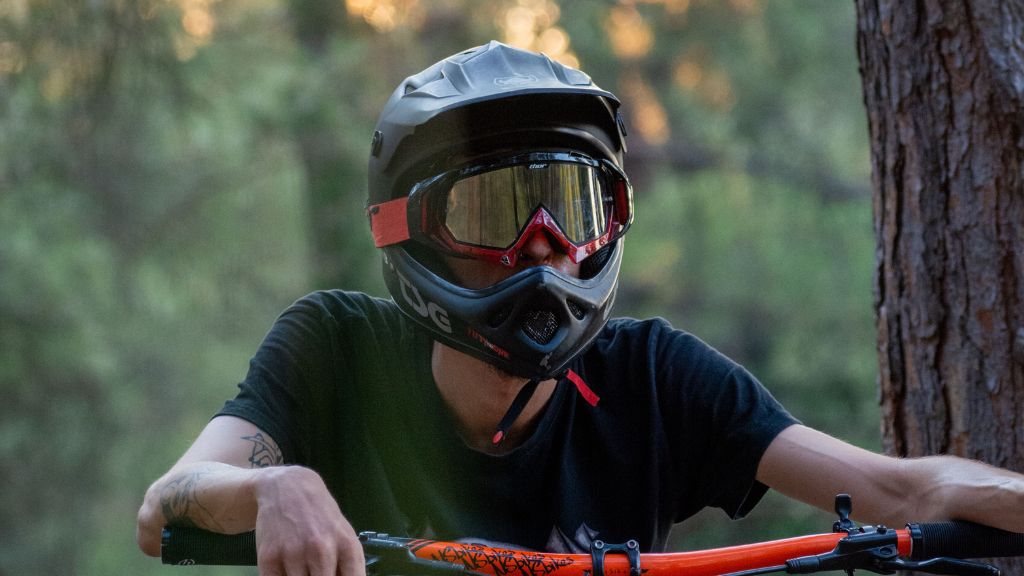
A new helmet often feels snug because the comfort liner has not compressed yet. Snug is acceptable; painful is not. The helmet should not wobble when you shake your head gently. The cheeks should be held firmly without making normal breathing or jaw movement uncomfortable. Keep the helmet fastened while checking the fit. If possible, leave it on for several minutes before buying it.
Also check whether the visor closes cleanly, whether your glasses fit comfortably if you wear them and whether the chin strap sits correctly. These small details make a major difference on long rides.
Features that actually matter
Ventilation is valuable in India’s hot climate, but vents alone do not make a helmet safe. Look for a useful balance of air intake and exhaust channels. A removable and washable liner can be particularly convenient for riders who use their helmet every day.
A good visor should provide a clear field of view and close securely. Anti-scratch treatment is useful for daily use, while an anti-fog solution or Pinlock-compatible system becomes especially valuable during rain and cooler mornings. A drop-down sun visor is convenient, but it should not replace the primary clear visor or distract from fit.
For riders who use Bluetooth communication, check whether the interior has enough room for speakers without creating pressure. Avoid drilling, cutting or making structural modifications to the shell. Accessories should never compromise the helmet’s intended construction.
What to avoid when buying online
The cheapest listing is not necessarily the cheapest safe option. Extremely low prices, unclear brand information, suspicious certification claims and sellers who cannot provide basic product details should be treated carefully. Counterfeit certification marks are a real consumer-safety issue, and the Government has taken enforcement action against non-compliant helmets.
Check the exact model name, size, certification marking, seller reputation, return policy and manufacturing information. If a listing uses photographs of one model but describes another, pause before ordering. Be especially careful with used helmets. A helmet that has suffered a significant impact may have damage that is not obvious from the outside.
Price should come after safety and fit. Saving a few hundred rupees is not a worthwhile trade if the helmet is poorly made or does not fit properly.
Final verdict
There is no single helmet that is perfect for every Indian rider. For most people, the strongest starting point is a genuine BIS/ISI-certified full-face helmet from an established manufacturer that fits correctly. If your budget allows, look for additional safety certifications such as ECE 22.06 on models where that certification is genuinely applicable and clearly documented.
Daily commuters should prioritize fit, ventilation, weight and easy cleaning. Highway riders should put more emphasis on full-face coverage, visor performance, stability and noise management. Touring riders may appreciate Pinlock compatibility, a removable liner and communication-system compatibility. Premium riders can look at advanced models from brands such as MT, SMK, Axor and other established manufacturers, but the premium price should buy meaningful improvements rather than just graphics.
Before purchasing, measure your head, check the exact certification, try the helmet if possible and buy from a reliable seller. A helmet only works when it is worn correctly every single ride.
FAQs
Q1. Which is the best bike helmet in India?
A. The best choice depends on your budget, head shape and riding style. A properly fitted full-face helmet with genuine BIS/ISI certification is a strong general-purpose option.
Q2. Is ISI certification important in India?
A. Yes. BIS certification under the applicable Indian helmet standard is a key requirement for protective helmets sold for two-wheeler riders.
Q3. Is a full-face helmet better for highway riding?
A. Full-face helmets provide more coverage, including the chin area, so they are generally preferred for highway and longer-distance riding.
Q4. Are expensive helmets always safer?
A. Not necessarily. Certification, fit and correct use matter more than price alone.
Q5. How often should I replace a helmet?
A. Follow the manufacturer’s replacement guidance and replace it after a serious impact, even if there is no obvious external damage.
Q6. Can I buy a helmet online?
A. Yes, but check certification, seller reputation, size chart, return policy and exact model details before ordering.