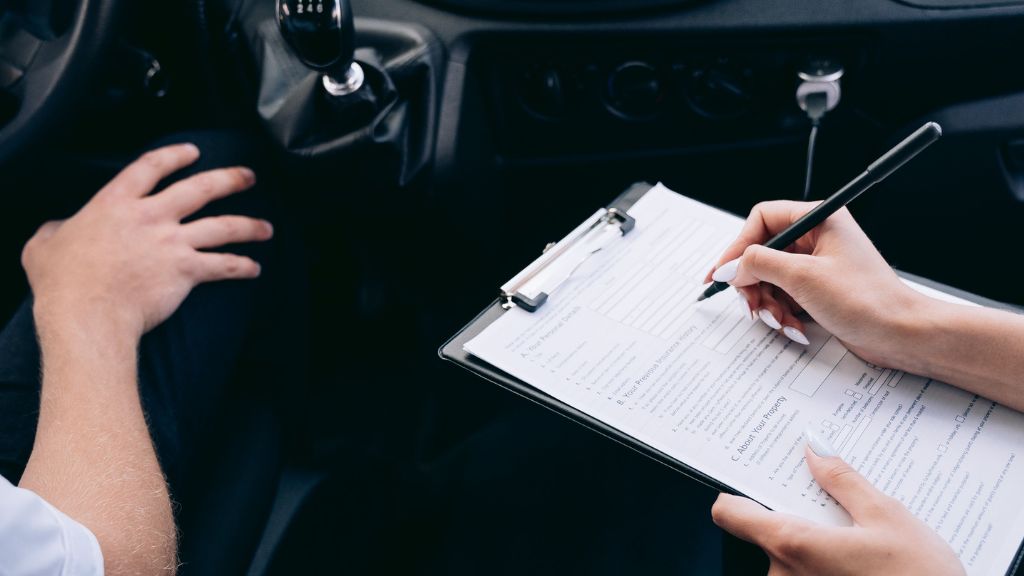
The 30 minutes immediately after a car incident are the most important for how your insurance claim resolves. Most claim complications – delayed settlements, reduced payouts, and outright rejections – trace back to something that was done or not done in those first 30 minutes. Understanding the process before you need it is the only preparation that actually helps.
This guide covers the complete claim process for 2026: what to do at the scene, how to file the claim correctly, the cashless versus reimbursement decision, the documents you need, the common mistakes that reduce settlements, and what to do if the claim is rejected.
First 30 Minutes – What to Do at the Scene
The sequence matters. Do these in order:
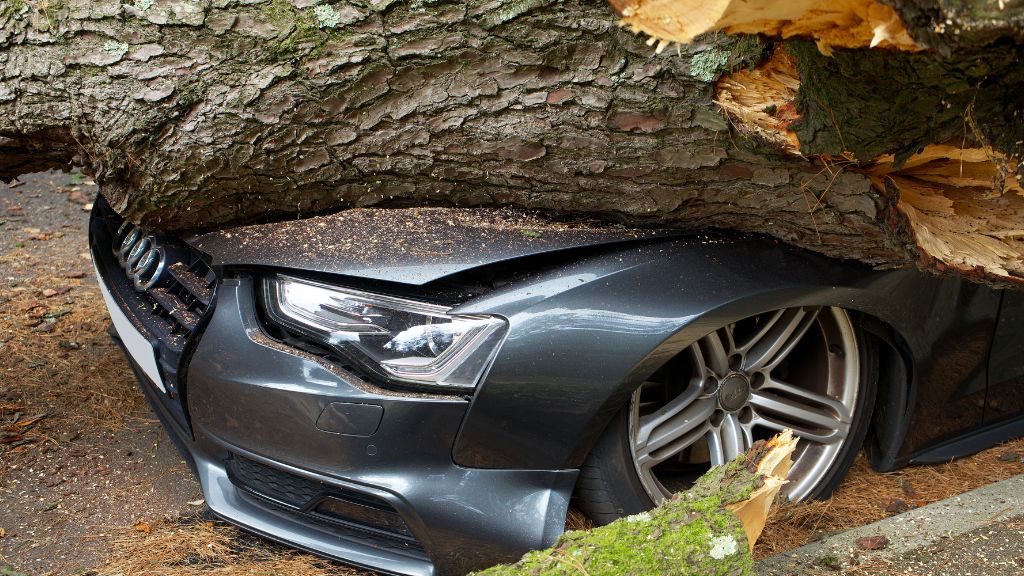
- Ensure personal safety first – if the car is in a dangerous position, move it off the carriageway if it can be driven. If not, switch on hazard lights and keep all occupants clear of traffic.
- Check for injuries – yourself, passengers, and anyone else involved in the incident. Call 108 (ambulance) immediately if anyone is injured.
- Photograph everything before anything moves – all visible vehicle damage from multiple angles, the full accident scene, the position of all vehicles, any road conditions relevant to the incident (pothole, wet surface, poor visibility), and the registration plates of all vehicles involved.
- Note the other driver’s details – name, phone number, registration number, insurance company and policy number if they will share it. Politely, calmly – this is not an accusation, it is standard procedure.
- Note any witnesses – name and phone number if possible. Even one witness with corroborating information can determine a disputed claim outcome.
- Call your insurer’s claims helpline – the number is on your policy document. Report the incident and get a claim registration number. Do this on the day of the incident, ideally within a few hours.
- File an FIR at the nearest police station – required for: major accidents with significant damage, third-party injury or death, hit-and-run incidents, vehicle theft, and some insurers require it for claims above a specified amount. When in doubt, file one.
| DO NOT: Move the vehicle to a workshop before the insurer’s surveyor has inspected it for significant damage. DO NOT: Accept fault verbally or in writing at the scene – let the insurance process determine liability. DO NOT: Repair the vehicle on your own account if you intend to claim – get insurer approval first. |
Cashless Claim vs Reimbursement – Which Route to Take
This is the first decision you make after reporting the claim:
Cashless claim: You take the damaged car to one of your insurer’s empanelled network garages. The garage communicates directly with the insurer’s surveyor. You pay only the deductible (and depreciation if not on zero-dep policy). The insurer pays the garage directly. No money out of your pocket beyond your share.
Reimbursement claim: You repair at any garage of your choice (including non-network garages), pay the full bill yourself, then submit the bills to the insurer for reimbursement. You receive the approved amount minus deductible and depreciation back into your bank account.
Cashless is the recommended route for most situations. Reimbursement makes sense when: the nearest network garage is far away, you have an emergency repair need at night or on a highway, or you have a trusted workshop whose quality you prefer over the nearest network garage.
| 📖 Also Read: Car Insurance Renewal Online in India 2026 – How to Get the Best Price – If your insurance is due for renewal, read this before auto-renewing – you can save Rs. 3,000–8,000 |
Cashless Claim – Complete Step-by-Step Process
Step 1: Register the Claim
Call the insurer’s 24-hour helpline (number on your policy document or back of the insurance card in your car). Provide your policy number, the incident date, time, and location, a brief description of what happened, and the extent of visible damage. You will receive a claim registration number by SMS. Note this – you will need it for all follow-up.
Step 2: Choose a Network Garage
Ask the insurer’s helpline to confirm the nearest empanelled garages in your area, or check the list on the insurer’s website or app. Confirm with the garage that they can handle your car make and the type of repair needed. Take the car to the network garage – by driving if possible, by towing (which the insurer will arrange) if not.
Step 3: Surveyor Inspection
The insurer will send a surveyor – sometimes within hours, sometimes within 1–2 working days for non-urgent claims. The surveyor physically inspects the damage, documents it photographically, and estimates the repair cost. Be present during the inspection if possible. Ensure every item of damage is noted — damage not recorded in the survey cannot be added to the claim later. This is important.
Step 4: Repair Approval

The surveyor’s assessment goes to the insurer for approval. For minor to moderate damage, approval typically comes within 24–48 hours. For major damage requiring structural work, it can take 4–7 working days. The garage informs you when approval is received and begins repairs.
Step 5: Collect the Vehicle and Pay Your Share
When repairs are complete, inspect the work thoroughly before signing any satisfaction form. Ensure all reported damage has been repaired to acceptable quality. Pay your share — the compulsory deductible (Rs. 1,000–5,000 depending on your car), any voluntary deductible you chose at policy purchase, and depreciation on replaced parts (unless you have zero depreciation cover). The insurer pays the rest directly to the garage.
Documents Required for Every Car Insurance Claim
- Completed claim form (available on insurer website, app, or at any branch)
- Copy of car insurance policy document
- Registration Certificate (RC) of the vehicle
- Valid driving licence of the person driving at the time of the incident
- FIR copy if filed (required for major accidents, third-party claims, theft, hit-and-run)
- Photographs of damage taken at the scene
- For reimbursement claims: original repair bills, payment receipts, and bank account details
- For theft claims: FIR, keys, service booklet, and the original RC book
Why Claims Get Rejected – The Real List
Understanding rejection reasons before filing is more useful than understanding them after:
- Invalid or expired driving licence at time of incident — not just expired, also includes driving without the correct licence category
- Drunk driving — blood alcohol above legal limit. No insurer pays this claim, no exceptions
- Delayed reporting — not reporting within the 24–48 hour window specified in the policy
- Using a private car for commercial purposes — registered private, used as Ola/Uber
- Claiming for pre-existing damage not disclosed at policy inception
- Vehicle taken to an unauthorised workshop before insurer inspection for significant damage
- Lapsed policy — even by one day
| 📖 Also Read: Best Dashcam for Cars in India 2026 – Top 8 Picks – A dashcam recording makes disputed insurance claims significantly easier to resolve – read this before your next renewal |
No Claim Bonus – How Not to Lose It
Every claim-free year earns you a No Claim Bonus (NCB) that reduces your renewal premium – 20% after year 1, up to 50% after 5 consecutive claim-free years. Filing a claim resets this. On a premium of Rs. 18,000, a 50% NCB is worth Rs. 9,000 per year.
For damage costing less than Rs. 6,000–8,000, calculate whether the claim is worth making. If your NCB is at 40–50%, the premium saving from keeping it intact may outweigh the repair cost you pay out of pocket for small damage. NCB Protect add-on (Rs. 400–800 annually) allows one claim per year without NCB reduction – worth considering at renewal for frequent city drivers.
What to Do If Your Claim Is Rejected
- Request the rejection reason in writing from the insurer – this is your legal right
- If the rejection reason is factually incorrect or based on a misunderstanding, appeal in writing to the insurer’s grievance redressal officer
- If the insurer does not respond satisfactorily within 30 days, file a complaint with the Insurance Ombudsman (free, no lawyer needed) – find your regional ombudsman at irdai.gov.in
- For disputes above Rs. 1 crore or complex legal matters, approach a consumer court
The Insurance Ombudsman process resolves most legitimate disputes within 3 months and is genuinely effective for policyholders with valid claims that have been incorrectly rejected.
| 📖 Also Read: Car Insurance Renewal Online in India 2026 – How to Get the Best Price – Getting the right add-ons at renewal prevents most claim complications – zero dep and NCB protect are worth reading about |
Frequently Asked Questions
Q: How long does a car insurance claim take to settle in India?
For cashless claims: minor damage is typically repaired and the car returned within 5–14 working days of surveyor approval. Major structural repairs take 20–45 working days. The survey and approval process takes 2–7 working days. For reimbursement claims: approved amount is typically credited within 7–21 working days of complete document submission. Total reimbursement process: 14–35 working days from incident to bank credit.
Q: Can I claim car insurance for dents and scratches in India?
Yes — dents and scratches are covered under the Own Damage component of comprehensive insurance. However, for minor damage, consider whether claiming is worth losing your No Claim Bonus. If the repair cost is less than Rs. 6,000–8,000 and you have a 30–50% NCB, paying out of pocket and preserving the NCB usually makes more financial sense.
Q: What is the compulsory deductible in car insurance India?
The compulsory deductible (also called compulsory excess) is the amount you must pay from your own pocket in every claim regardless of coverage. For private cars, it is Rs. 1,000 for cars with engine capacity up to 1500cc, and Rs. 2,000 for cars above 1500cc. This is fixed by IRDAI and applies to every claim. In addition to the compulsory deductible, any voluntary deductible you chose at policy purchase is also payable by you.
Q: Does filing a car insurance claim increase my premium in India?
Filing a claim does not directly increase your base premium, but it resets your No Claim Bonus (NCB). If you had a 30% NCB that was reducing your premium by Rs. 4,500 annually, losing it means paying Rs. 4,500 more per year at renewal. After a claim, you rebuild NCB from zero — meaning the year-one premium is the full base rate without discount. NCB Protect add-on prevents this reset for one claim per year.