
For years, BYD India sold only pure electric vehicles – the Atto 3, Seal, Sealion 7, and eMAX 7. Every car in its Indian lineup required charging infrastructure to operate efficiently. That changes permanently on June 9, 2026. BYD has confirmed that its first plug-in hybrid (PHEV) for India will debut on that date, and it brings a technology that has already transformed the global auto market: the DM-i Super Plug-In Hybrid system.
The PHEV launch is a landmark moment. India’s hybrid car market has so far been dominated by Toyota’s mild and strong hybrids (Innova HyCross, Hyryder, Urban Cruiser Hyryder) and Honda’s City e:HEV. BYD’s PHEV entry brings a fundamentally different proposition – pure electric driving for daily use, petrol as backup for long distances, and a combined range that makes range anxiety completely irrelevant.
What is DM-i Technology? – BYD’s Plug-In Hybrid Explained
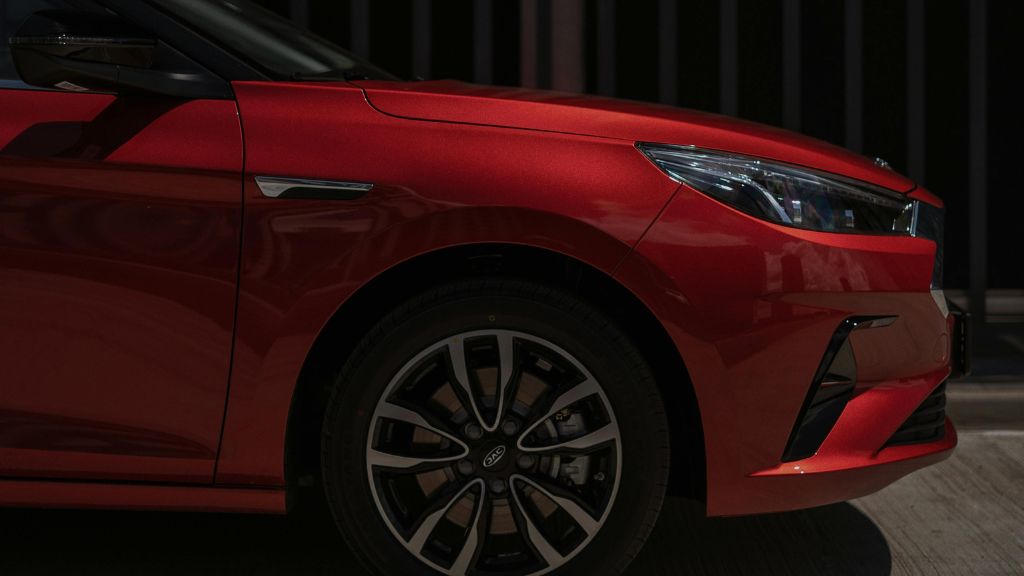
DM-i (Dual Mode intelligent) is BYD’s proprietary plug-in hybrid system that prioritises electric driving above everything else. Unlike traditional hybrids where the petrol engine is primary and electric is supplementary, DM-i reverses this – the electric motor does 80–85% of daily driving, and the petrol engine acts as a generator and backup power source for longer distances.
The result is extraordinary: fuel consumption in predominantly electric mode drops to 4–5 litres per 100 km on the petrol portion. Combined with the battery’s electric-only range of 80–140 km (depending on variant), the total driving range exceeds 1,000 km on a full battery charge plus a full petrol tank. For Indian drivers, this eliminates every concern about EVs – charging infrastructure, range anxiety, and long-trip limitations – while still delivering near-zero running costs for daily urban commuting.
- Electric motor is the primary drive unit – petrol engine assists at high loads or when battery depletes
- Large battery (18.3 kWh or 26.6 kWh) for 80–140 km pure electric range daily
- Combined petrol + electric range: 928–1,092 km depending on model
- Can be driven as a pure EV if charged daily – petrol tank never needs to be touched for urban commuters
- Can be driven indefinitely on petrol alone if charging is not available – no range anxiety
- Regenerative braking recovers energy during deceleration
Which Car Is BYD Launching? – Sealion 6 DM-i or Atto 2 DM-i?
BYD has not officially named the model. Based on spy shots from Indian roads, Auto Expo teaser activity, and industry intelligence, two models are the frontrunners:
Option 1: BYD Sealion 6 DM-i – The Premium Choice
The Sealion 6 DM-i is a mid-size premium SUV that has been spotted testing on Indian roads multiple times, including on the Mumbai-Pune Expressway in May 2026. It sits above the Sealion 7 EV in BYD’s lineup and targets the Toyota Fortuner, Volkswagen Tayron, and MG Majestor territory.
| Specification | 1.5L NA Petrol PHEV (FWD) | 1.5L Turbo Petrol PHEV (AWD) |
| Battery | 18.3 kWh | 26.6 kWh |
| Combined Power | 218 PS | 344 PS |
| EV-Only Range | 140 km (NEDC) | 128 km (NEDC) |
| Total Combined Range | 1,092 km | 1,092 km |
| Drivetrain | FWD | AWD |
| Expected India Price | Rs 45–50 lakh | Rs 52–58 lakh |
Option 2: BYD Atto 2 DM-i – The Value Choice
The Atto 2 DM-i is sized like a Hyundai Creta — the hottest segment in India. At a potentially more accessible price point, the Atto 2 PHEV could be the more disruptive product for the Indian mass market. It uses a 1.5-litre naturally aspirated petrol engine with battery options of 7.8 kWh and 18 kWh.
| Specification | Atto 2 DM-i (7.8 kWh) | Atto 2 DM-i (18 kWh) |
| EV-Only Range | 39 km (WLTP) | ~80 km (estimated) |
| Combined Range | 928 km (WLTP) | 998 km (WLTP) |
| Combined Power | ~170 PS | ~170 PS |
| Segment | Mid-size SUV (Creta-sized) | Mid-size SUV |
| Expected India Price | Rs 28–35 lakh | Rs 32–38 lakh |
Industry insiders and auto journalists tracking BYD India believe the Sealion 6 is more likely based on the extent of Indian road testing and the price bracket that aligns with BYD’s premium India positioning. However, BYD has surprised the market before – a simultaneous dual-model launch cannot be ruled out.
BYD PHEV vs Rivals – Why This Changes Everything
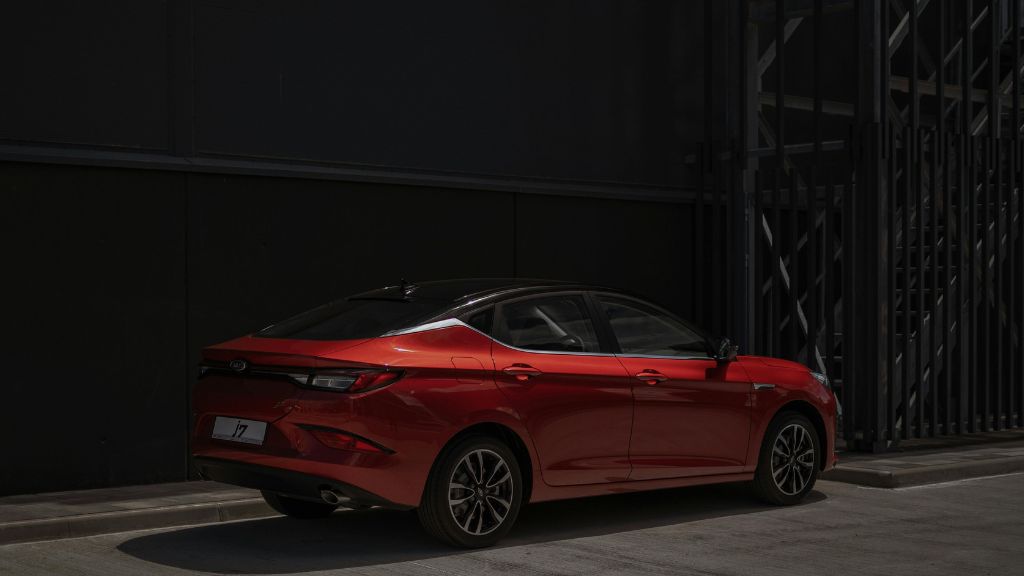
| Car | Technology | EV Range | Total Range | Price |
| BYD Sealion 6 DM-i | PHEV (plug-in hybrid) | 140 km | 1,092 km | Rs 45–50 lakh* |
| Toyota Fortuner | Petrol/Diesel (no hybrid) | 0 km | 700–800 km | Rs 34–51 lakh |
| Toyota Innova HyCross | Strong Hybrid (not plug-in) | 0 km (EV assist only) | 800–900 km | Rs 20–32 lakh |
| Honda City e:HEV | Strong Hybrid (not plug-in) | 0 km | 900–1,000 km | Rs 21 lakh |
| MG Majestor | Petrol/Diesel | 0 km | 750 km | Rs 29–35 lakh |
| BYD Atto 2 DM-i | PHEV (plug-in hybrid) | 39–80 km | 928–998 km | Rs 28–38 lakh* |
The critical distinction between BYD’s DM-i PHEV and Toyota’s strong hybrid (HyCross, Hyryder) is plug-in capability. Toyota’s hybrids cannot be charged from an external power source – the battery only charges through regenerative braking and the engine. BYD’s PHEV can be plugged in at home overnight, charged for Rs 80–120, and driven the next 100–140 km on pure electricity costing Rs 0.60–0.80 per km. On days you don’t charge, it runs exactly like a Toyota hybrid – very efficiently on petrol. This dual capability is the game-changer.
How BYD PHEV Will Work for Indian Drivers
Scenario 1: Daily Urban Commuter (60 km/day)
Charge overnight at home (7–8 hours on standard 15A socket, 2–3 hours on 7.4 kW wallbox). Drive 60 km entirely on electricity. Running cost: Rs 50–70 for the day. Petrol tank untouched. Monthly fuel cost: Rs 1,500–2,100 for 1,800 km. Versus petrol SUV doing same: Rs 12,000–15,000/month.
Scenario 2: Weekend Highway Driver
Don’t charge at home. Drive on petrol + electric regeneration. Fuel efficiency: 14–18 km/l equivalent. For a Delhi-Jaipur-Delhi round trip (560 km): approximately 30–35 litres petrol = Rs 2,800–3,300. In a diesel Fortuner: approximately 25 litres = Rs 2,200. The PHEV costs slightly more on pure highway use but pays back massively on every urban weekday.
Scenario 3: Mixed User (Most Indians)
Charge 4–5 nights per week. Run electrically for most weekday commutes. Use petrol for weekends, long trips, when charging is inconvenient. Annual running cost: 40–60% lower than a comparable petrol SUV. Break-even on price premium versus petrol: 3–5 years depending on usage intensity.
Expected BYD PHEV Price in India – June 9
BYD Sealion 6 DM-i (FWD): Rs 45–50 lakh ex-showroom (expected)
BYD Sealion 6 DM-i (AWD): Rs 52–58 lakh ex-showroom (expected)
BYD Atto 2 DM-i (if launched): Rs 28–38 lakh ex-showroom (expected)
BYD currently imports its India vehicles as CBUs (Completely Built Units), which attracts India’s highest import duty of 110%. This makes BYD’s India prices significantly higher than their prices in China or other markets. The Sealion 6 DM-i is approximately Rs 18–20 lakh in China. The CBU import route will position it at Rs 45–50 lakh in India. BYD has announced plans to begin local assembly in India – if that happens within 2026, prices could fall Rs 8–12 lakh as import duties reduce.
Should You Wait for BYD PHEV or Buy Now?
Buy BYD PHEV if: You drive 1,000–2,500 km/month in a mix of city and highway, you can charge at home or office, and you are in the Rs 45–55 lakh SUV budget currently considering a Fortuner or premium SUV. The PHEV’s running cost savings versus a diesel Fortuner at Rs 45 lakh are Rs 50,000–80,000 per year.
Skip and wait if: BYD’s CBU pricing puts it above your budget. Local assembly pricing (expected H2 2026 or 2027) could make the same car Rs 8–12 lakh more affordable.
Consider alternatives if: Your budget is Rs 20–25 lakh. The Toyota Innova HyCross strong hybrid at Rs 20–25 lakh or Honda City e:HEV at Rs 21 lakh offer excellent efficiency at more accessible prices without plug-in capability.
Frequently Asked Questions – BYD PHEV India 2026
Q: What is BYD launching on June 9, 2026 in India?
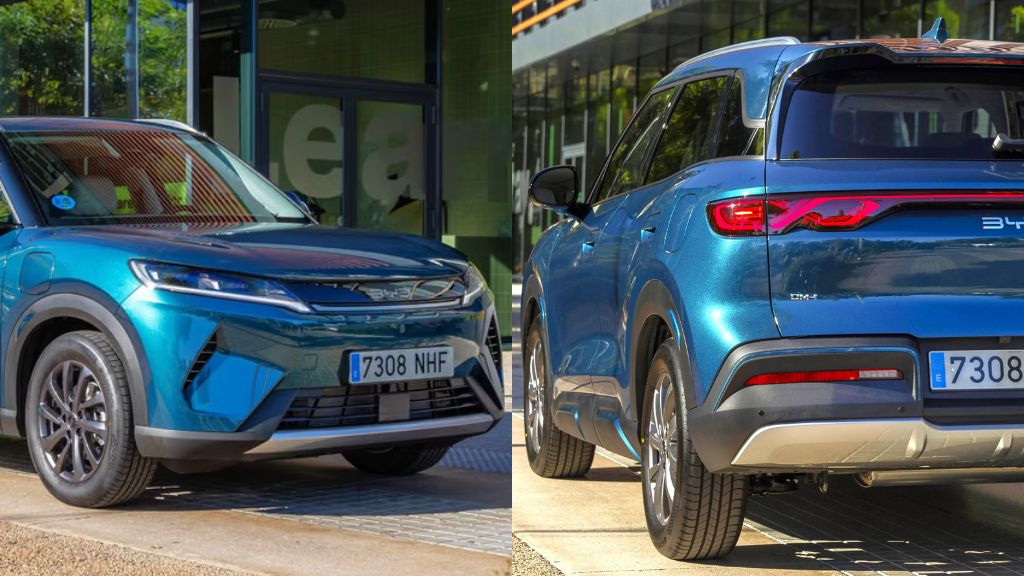
BYD India is launching its first-ever plug-in hybrid electric vehicle (PHEV) in India on June 9, 2026. The model is expected to be either the BYD Sealion 6 DM-i or BYD Atto 2 DM-i, both using BYD’s DM-i Super Plug-In Hybrid technology with 1,000+ km combined driving range.
Q: What is BYD DM-i technology?
BYD DM-i (Dual Mode intelligent) is a plug-in hybrid system where an electric motor is the primary drive unit and the petrol engine acts as a generator and supplementary power source. It delivers 80–140 km of pure electric range on a single charge, after which the petrol engine maintains driving range for 800–950 km more. Total combined range exceeds 1,000 km. Daily commuters who charge overnight can drive entirely on electricity most days.
Q: What is the expected price of BYD PHEV in India?
The BYD Sealion 6 DM-i is expected to be priced between Rs 45–50 lakh (FWD) and Rs 52–58 lakh (AWD) ex-showroom in India. The BYD Atto 2 DM-i, if launched, may be priced between Rs 28–38 lakh. Official prices will be announced on June 9, 2026.
Q: How is BYD PHEV different from Toyota hybrid?
Toyota’s hybrids (Innova HyCross, Hyryder) are self-charging hybrids that cannot be plugged in externally. The battery charges only through regenerative braking and the engine. BYD’s PHEV can be plugged into a standard socket and charged overnight, giving 80–140 km of pure electric driving per day — much like an EV for daily use. Toyota hybrids improve petrol efficiency. BYD PHEVs can eliminate petrol use entirely for urban commuting.
Q: Can BYD PHEV be charged at home in India?
Yes. BYD’s PHEV models support standard AC charging from a regular 15-amp household socket (slow) and faster charging via a 7.4 kW AC wallbox. The 18.3 kWh battery in the Sealion 6 charges fully in approximately 7–8 hours on a standard socket or 2–3 hours on a wallbox. No DC fast charging required for daily home charging.
Final Verdict – Is BYD PHEV the Car India Has Been Waiting For?
For the specific buyer profile – premium SUV buyer, urban-heavy usage, home charging possible, 1,000+ km monthly driving – the BYD PHEV is arguably the most compelling car arriving in India in 2026. The combination of 100–140 km electric range for daily use, 1,000+ km total range for long trips, and running costs 50–60% below a comparable diesel SUV is unmatched by anything currently on sale in India.
The price remains the barrier. At Rs 45–50 lakh for the Sealion 6 on CBU import, it is expensive. The moment BYD begins local assembly in India — which is confirmed to be planned – the same technology becomes significantly more accessible and the disruption to India’s premium SUV segment will be substantial.
June 9 is 7 days away. Watch this space.