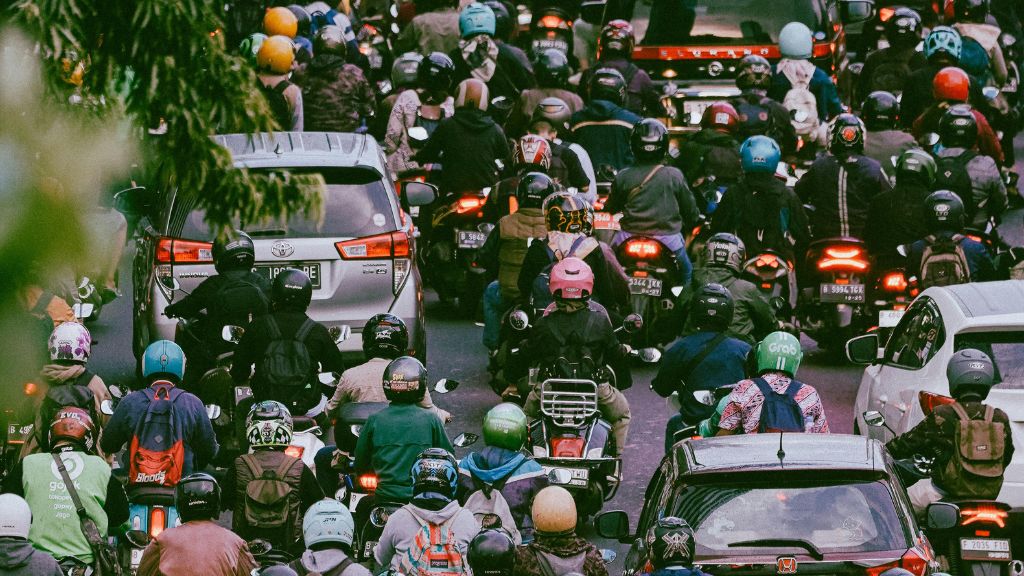
At 28, I owned a Honda Shine and commuted 18 km each way to work in Pune traffic. At 31, I bought a Maruti Swift and made the same commute. I can tell you definitively which was faster, which was cheaper, which was safer, and which made me happier on a Tuesday morning in July when the rain started at 8:47 AM precisely as I was about to leave home. The honest answer is more nuanced than either camp on the internet will admit.
Total Cost of Ownership – The Numbers That Actually Matter
| Cost Factor | Mid-Range Bike (Honda CB Shine 125) | Entry Car (Maruti Suzuki Alto K10) |
| Purchase Price (On-Road) | Rs 85,000 | Rs 5,50,000 |
| Down Payment (20%) | Rs 17,000 | Rs 1,10,000 |
| EMI (60 months / 11%) | Rs 1,845/month | Rs 11,950/month |
| Fuel (1,500 km/month) | Rs 2,100 (65 kmpl) | Rs 5,250 (35 kmpl) |
| Annual Insurance | Rs 2,500 | Rs 10,000–14,000 |
| Annual Maintenance | Rs 4,000-6,000 | Rs 12,000–18,000 |
| Parking (monthly) | Rs 0-500 | Rs 1,500–5,000 |
| Monthly Total All-In | Rs 5,500-6,500 | Rs 30,000–36,000 |
The monthly cost difference of Rs 24,000-30,000 is significant enough to materially change the financial picture for most Indian households. Over five years, the cumulative difference in running costs alone easily exceeds Rs 15-18 lakh for the same commute distance.
Commute Time: The Real Advantage of Two Wheelers in Indian Cities
In India’s tier-1 cities, a motorcycle commuting the same route as a car consistently takes 30–50% less time during peak hours. For a 20 km urban commute, the time difference can be 25–35 minutes each way – nearly an hour saved daily. Bikes filter through traffic legally and practically, use shorter bypass routes, park closer to destinations, and avoid the parking search overhead that costs car drivers 5–15 minutes per visit.
This advantage reverses on highways and during heavy rain, where a car offers controlled-environment stability. And it disappears completely during heavy monsoon downpours where a bike commuter is either drenched or stationary.
Safety – The Number That Changes the Calculus
Two-wheeler riders account for nearly 45% of India’s road accident fatalities. Car occupants with modern crumple zones, airbags, and ABS experience significantly lower fatality rates per trip. The statistical risk for a two-wheeler rider in India is approximately 8–10x higher per kilometre than for a car occupant in an equivalent-sized vehicle.
- Mitigation: Full riding gear (jacket, gloves, proper helmet) reduces injury severity dramatically
- Mitigation: Defensive riding – larger following distance, slower speeds at intersections
- Context: Most city bike accidents occur under 40 kmph – with proper gear, survival rates are very high
When Bike Is Clearly Better
- Commute under 30 km each way in urban traffic – save 30–50 minutes daily and Rs 20,000+ annually
- You are single or do not regularly transport family members
- Parking at workplace and destinations is limited or expensive
- Budget for purchase + running costs is under Rs 8,000 per month total
When Car Is Clearly Better
- You regularly transport family – small children in particular
- Commute involves significant highway sections where weather exposure is a factor
- You regularly travel between cities – car comfort over 200+ km is substantially better
- Income level means the Rs 24,000/month cost difference is not a financial constraint
The Hybrid Strategy – What Many Indian Households Do
The most pragmatic solution: one fuel-efficient commuter bike (100–125cc, Rs 70,000–90,000) for solo daily commuting, and one family car for weekends, family outings, and rain days. This combination optimizes cost efficiency on weekdays and car comfort for family use – with daily running costs significantly lower than two cars.
Frequently Asked Questions (FAQ)
Q: Is car or bike insurance more expensive?
A: Car insurance is 4-6x more expensive for comprehensive coverage. A mid-range bike pays approximately Rs 2,500 annually for comprehensive. A Maruti Alto pays Rs 10,000–14,000 for equivalent coverage.
Q: Is a scooter or motorcycle better for city commuting?
A: For pure city commuting under 20 km: an automatic scooter (Honda Activa, TVS Jupiter) is more practical- step-through design, under-seat storage, comfortable in stop-go traffic. For mixed city and highway: 125–150cc motorcycle offers better fuel efficiency and stability.
Q: How does the comparison change with a CNG car?
A: A CNG car (Maruti Alto CNG, Wagon R CNG) dramatically changes the cost comparison. CNG fuel cost at Rs 84/kg for a 35 km/kg car is approximately Rs 2.40/km – comparable to a fuel-efficient motorcycle. However, higher purchase price, conversion limitations, and reduced boot space still factor in.