| Costs below are typical ranges and vary by brand, model, city and workshop. Treat them as a guide to what is reasonable, and always ask for an estimate before approving work. |
Car servicing is one of those expenses that feels unpredictable. One workshop quotes Rs 3,500, another quotes Rs 9,000 for what seems like the same car. Understanding what a service actually includes, how often you need it, and which add-ons are optional will help you control costs without risking the car’s health.
How Often Should You Service Your Car?
Most petrol and diesel cars in India need servicing every 6 months or around 10,000 km, whichever comes first. Some newer models allow 12-month or 15,000 km intervals. The exact schedule is in your owner’s manual. Skipping or delaying services is the most common reason for avoidable breakdowns and higher costs later.
Typical Service Cost by Car Type
| Car Segment | Typical Paid Service (approx.) | Notes |
| Small hatchback | Rs 3,000-5,500 | Cheapest to maintain |
| Premium hatchback / sub-compact sedan | Rs 4,000-7,500 | Slightly higher parts and labour |
| Compact SUV | Rs 5,000-9,000 | Larger tyres, brakes, more fluids |
| Midsize sedan | Rs 6,000-10,000 | Premium parts and labour |
| Large SUV / MUV | Rs 8,000-15,000 | Diesel and bigger components |
| Premium / luxury | Rs 15,000 and above | Brand-specific parts |
Free Service vs Paid Service
New cars usually come with a few free services in the first year or two, covering labour, but you still pay for consumables like oil and filters. After the free services end, regular paid servicing begins. The cost can jump noticeably, especially if the workshop adds optional extras.
What a Typical Service Includes
| Item | Basic Service | Major Service |
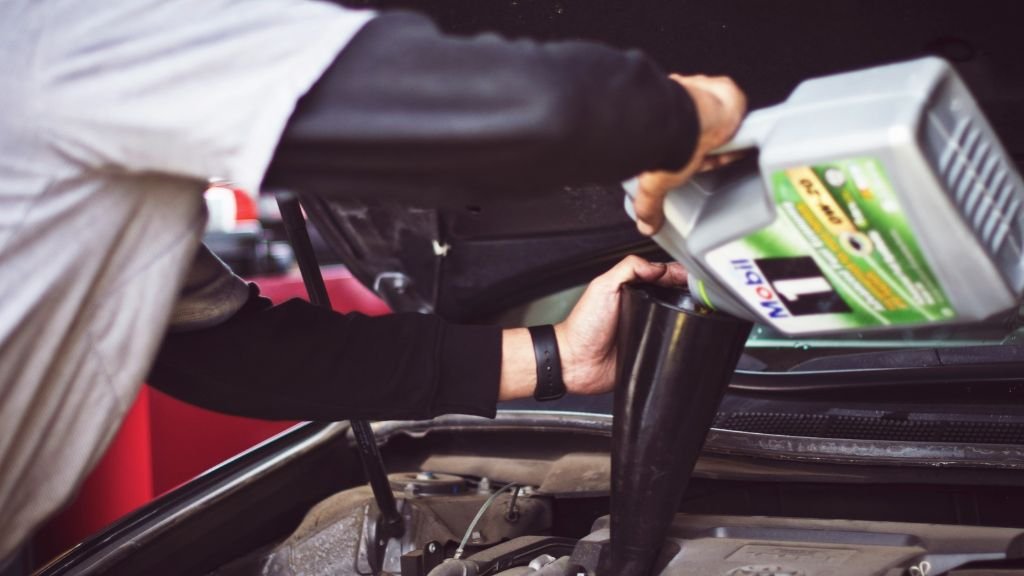
| Engine oil and oil filter change | Yes | Yes |
| Air filter check / clean | Yes | Replace |
| AC / cabin filter | Check | Replace |
| Brake inspection | Yes | Pads/discs as required |
| Spark plugs (petrol) | No | As per schedule |
| Fuel filter (diesel) | No | As per schedule |
| Coolant check | Top-up | Replace as per schedule |
| Brake fluid | Check | Replace on schedule |
| Wheel alignment / balancing | Optional | Recommended |
| Suspension and steering check | Quick check | Detailed |
Items That Add to the Bill — Which Are Worth It?
Usually worth it: Engine oil and filter, brake pads when worn, brake fluid on schedule, coolant, tyre rotation and alignment when tyres wear unevenly.
Ask questions before approving: Engine flushing, injector cleaning, ‘carbon clean’, teflon or anti-rust coatings, and interior fogging. Some are useful in particular situations, but they are often sold as routine extras. Ask the workshop why your car needs it and what happens if you skip it.
Be careful with: Wiper blades, bulbs and batteries sold at inflated prices. These are easy to price-check online.
12 Maintenance Tips That Save Real Money
- Follow the schedule in the owner’s manual instead of ‘sales-driven’ schedules.
- Use the grade of engine oil recommended for your car. Using a wrong grade can hurt the engine.
- Check tyre pressure every two weeks, including the spare.
- Rotate tyres around every 8,000-10,000 km if your manual recommends it.
- Wash the car regularly, especially the underbody after monsoon, to prevent rust.
- Do not ignore warning lights; a small problem is cheaper than a big one.
- Replace the battery on time; a weak battery can strain the alternator and starter.
- Keep the fuel tank above one-quarter; running very low can damage the fuel pump over time.
- Avoid speed-breaker hits at speed; suspension repairs are costly.
- Get a written estimate and ask for old parts back so you know they were replaced.
- Keep service records; they raise resale value.
- Compare an authorised workshop with a reputed independent garage after the warranty ends.
DIY Checks You Can Do in 10 Minutes Every Month
| Check | How | Frequency |
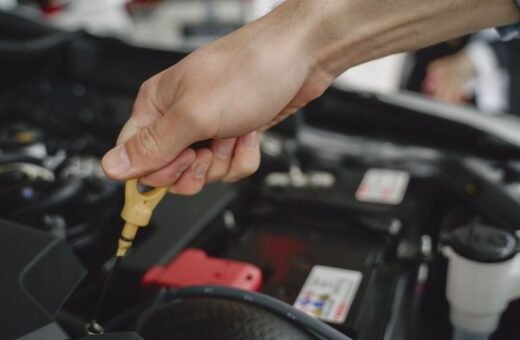
| Engine oil level | Dipstick on level ground, engine off for a few minutes | Monthly |
| Coolant level | Reservoir between min and max (engine cold) | Monthly |
| Brake fluid level | Reservoir marks | Monthly |
| Washer fluid | Top up | As needed |
| Tyre pressure and wear | Gauge and visual check | Every 2 weeks |
| Lights and indicators | Walk around the car with help | Monthly |
| Wipers | Check for streaking | Before monsoon |
Authorised Service Centre vs Local Garage
| Factor | Authorised Service Centre | Independent Garage |
| Cost | Higher | Usually lower |
| Parts | Genuine parts | Genuine or aftermarket — you must ask |
| Warranty | Keeps warranty clean | May affect claims if work is wrong |
| Diagnostic tools | Brand-specific | Varies |
| Best for | New cars under warranty | Older cars after warranty |
A balanced approach: use the authorised centre while the car is under warranty, and consider a trusted independent garage afterwards for routine work. Use the authorised centre again for specialised electronics or recall-related work.
| Also Read: Maruti Swift vs Hyundai i20 Maintenance Cost | |
Frequently Asked Questions
Q: How much does a car service cost in India?
For a small hatchback, a typical paid service costs roughly Rs 3,000-5,500. Compact SUVs and sedans cost more, and large SUVs and premium cars cost considerably more. Exact prices depend on brand, city and what is included.
Q: Is it necessary to service the car every 6 months?
Follow your manual. Most cars need servicing every 6 months or 10,000 km, whichever comes first. Some models allow longer intervals, but very low-use cars should still be serviced at least once a year.
Q: Can I do my own car service at home?
You can do basic checks (fluid levels, tyre pressure, lights) at home. Oil change and brake work need proper tools, correct parts and safe disposal of oil, so most owners are better off using a workshop.
Q: Will servicing at a local garage void my warranty?
Routine servicing at a local garage during warranty does not automatically void it, but if a failure is traced to incorrect work or non-approved parts, a claim can be refused. To stay safe, use the authorised centre during the warranty period.