
Selling a car in India involves more paperwork than most buyers and sellers realise. The car insurance policy needs to be formally transferred to the new owner — a step that is frequently missed, with serious consequences for both parties. This guide explains exactly what needs to happen, who is responsible for what, and how to protect yourself whether you are the buyer or the seller.
Why Transferring Car Insurance Matters — The Serious Consequences
If a car is sold but insurance is not transferred within the required timeframe:
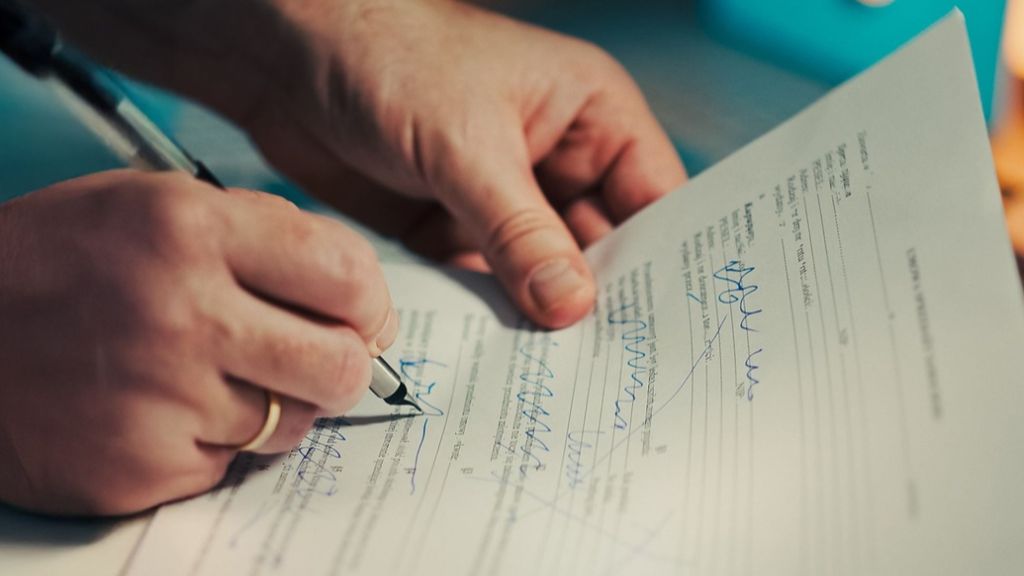
For the buyer: If an accident occurs and the insurance is still in the previous owner’s name, the claim may be rejected. The buyer is driving a car they think is insured — but is not insured in their name. They bear the full financial liability for the accident.
For the seller: If the buyer causes an accident and insurance is still in your name, your insurance record could be affected. More seriously, you may face legal liability as the registered policyholder even though you no longer own the vehicle.
The 14-day rule: Under the Motor Vehicles Act, the seller must notify their insurer of the vehicle sale within 14 days. The buyer must apply for insurance transfer within the same period. Missing this deadline makes the existing policy void for the new owner.
Part 1 — The Seller’s Responsibilities
Step 1: Get an NCB Retention Letter
NCB (No Claim Bonus) is attached to YOU — not the car. Before selling your car, request an NCB Retention Certificate from your insurer. This certificate:
- Documents your accumulated NCB percentage (up to 50%)
- Allows you to transfer the NCB to your next car’s insurance
- Is valid for 3 years from issue date
- Can save you Rs 5,000-15,000 on your next car’s insurance premium
How to get it: Call your insurer’s customer service, request an NCB Retention/Transfer Certificate, provide your policy number and vehicle registration number. Most insurers issue it within 2-3 working days.
Step 2: Notify Your Insurer of the Sale
Within 14 days of the sale, write a formal intimation to your insurer stating that the vehicle has been sold. Include:
- Date of sale
- Name and address of the new buyer
- Copy of the sale agreement or Form 29/30 (transfer application)
- Request for policy transfer to the new owner
Step 3: Collect All Documents for the Buyer
| Document | Purpose | Where to Get |
| Original RC book | Vehicle registration transfer | Your own records |
| Form 29 | Notice of Transfer of Ownership | RTO or Parivahan portal |
| Form 30 | Application for Transfer | RTO or Parivahan portal |
| Insurance policy original | Policy transfer to buyer | From insurer |
| NCB Retention Certificate | Keep your NCB for your next car | From insurer |
| PUC Certificate | Valid pollution check | PUC test centre |
| Service records (optional) | Enhances trust, helps resale value | Your own records |
Part 2 — The Buyer’s Responsibilities
Step 1: Apply for Insurance Transfer Within 14 Days
As the new owner, apply to the previous insurer for policy transfer within 14 days of the sale. Contact the insurer (by phone, email, or in person) and provide:
- Signed sale agreement or Form 29/30
- Your KYC documents (Aadhaar, PAN)
- Your address proof
- Passport-size photograph
- Transfer fee — typically Rs 50-200 depending on insurer
Step 2: Decide — Transfer or New Policy?
You have two options as a buyer:
Option A — Transfer existing policy: Policy continues with your name as owner for the remaining period. Lower immediate cost. However: no NCB is transferred (seller takes the NCB). You start at 0% NCB. Recommended if more than 6 months remain on the policy.
Option B — Buy fresh policy: Cancel or let the existing policy end, buy a new comprehensive policy in your name. More expensive upfront but allows you to compare insurers, choose add-ons, and set appropriate IDV. Recommended if less than 3-4 months remain on the existing policy.

| Scenario | Best Choice | Reason |
| 8+ months remain on policy | Transfer existing | Pay transfer fee, save on new premium |
| 4-7 months remain | Either works | Compare transfer fee vs fresh policy cost |
| Under 3 months remain | Buy fresh policy | Not worth transfer hassle for short period |
| Policy has poor CSR insurer | Buy fresh policy | Opportunity to switch to better insurer |
Part 3 — What Happens to Third Party Insurance
Third Party (TP) insurance is mandatory by law. The TP portion of a comprehensive policy MUST be transferred to the new owner — there is no choice here. Even if you buy a fresh Own Damage policy, the TP must continue from the existing policy or be covered by your new comprehensive policy. A vehicle without valid TP insurance cannot be legally driven on Indian roads.
Common Mistakes — And How to Avoid Them
Mistake 1 — Not getting NCB Retention Certificate: Sellers lose up to 50% NCB discount on their next car’s insurance by forgetting to get this certificate. Always get it before completing the sale.
Mistake 2 — Verbal agreement instead of written intimation: Calling your insurer to ‘inform’ them is not sufficient. Send a written intimation (email or letter) and keep a copy. If a claim arises later, written intimation is evidence.
Mistake 3 — Buyer not checking policy validity date: Some sellers sell cars with policies expiring in 2-3 weeks without mentioning it. Always check the policy expiry date before completing the purchase.
Mistake 4 — Not checking for outstanding loans (hypothecation): If the car has an unpaid loan, the bank has a lien and will not release NOC for transfer. Check on Parivahan.gov.in for hypothecation status before buying.
| Also Read: How to Renew Car Insurance Online India 2026 | |
Frequently Asked Questions
Q: How to transfer car insurance when selling a car in India?
Process: (1) Seller gets NCB Retention Certificate from insurer before sale. (2) Both buyer and seller complete Form 29 and Form 30 for RC transfer at RTO. (3) Seller notifies insurer of sale within 14 days with buyer’s details. (4) Buyer applies to insurer for policy name transfer within 14 days of purchase, paying a small transfer fee. (5) Insurer issues revised policy certificate in buyer’s name. This process takes 3-7 working days after all documents are submitted.
Q: What is the NCB Retention Certificate for car insurance?
An NCB Retention Certificate is a document from your insurer confirming your accumulated No Claim Bonus percentage. Since NCB belongs to you (not the car), when you sell your car, you get this certificate to transfer the NCB to your next car’s insurance. At 50% NCB (maximum, after 5+ claim-free years), this saves Rs 5,000-15,000 on your next car’s Own Damage premium. The certificate is valid for 3 years.
Q: What happens if car insurance is not transferred after sale?
If insurance is not transferred: (1) Any accident claim by the new owner may be rejected since the policy is not in their name. (2) The new owner may be fined for driving without valid insurance in their name. (3) The seller may face liability issues if an accident occurs in a vehicle where their name is still on the insurance policy. (4) The 14-day rule under Motor Vehicles Act means both parties must act within 14 days of the sale.