| Updated June 2026 | Both compared at equivalent variant price points | Real owner mileage data | A clear recommendation — not a hedge |
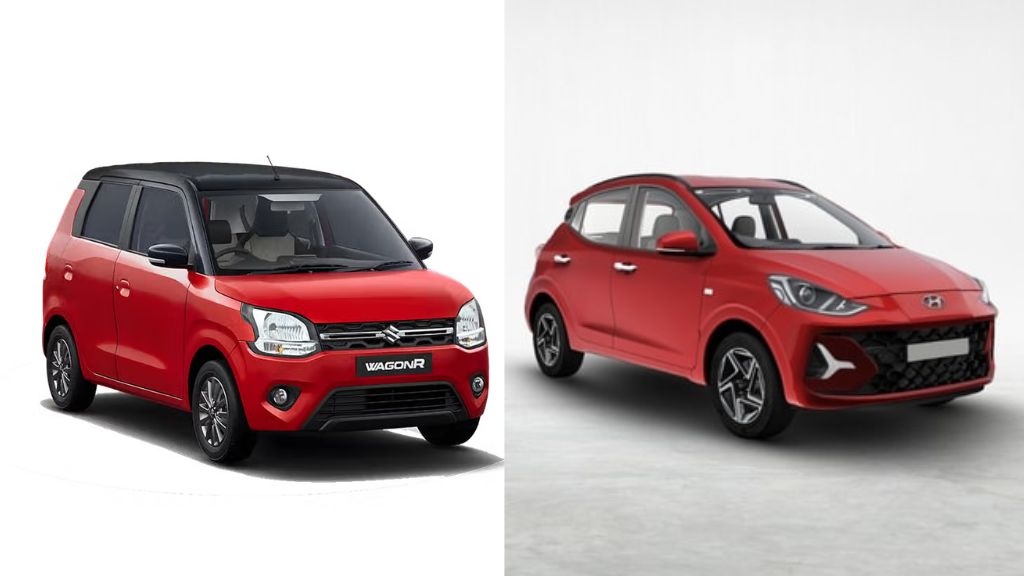
The Maruti WagonR and Hyundai Grand i10 Nios are two of India’s most sensible budget car choices. Not glamorous. They will not start conversations at traffic lights. What they will do is transport you reliably for the next seven years without requiring specialist maintenance or generating unexpected large repair bills. Both are genuinely good. The question is which one makes more sense for your specific situation.
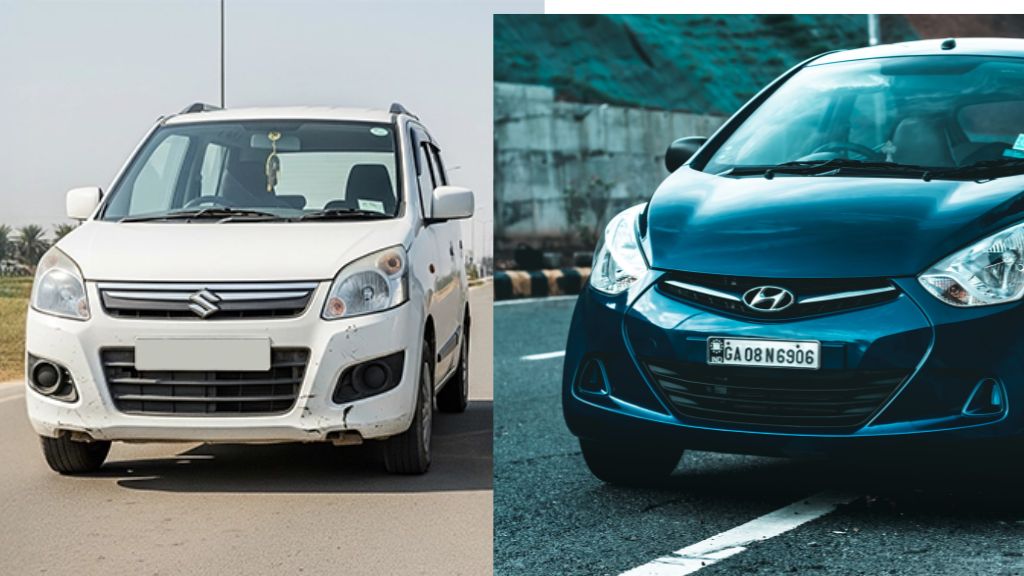
Price Comparison
| Variant | Maruti WagonR | Hyundai Grand i10 Nios | Difference |
| Base | LXi Rs. 5.54L | Era Rs. 5.92L | Nios Rs. 38K more |
| Mid | VXi 1.0 Rs. 5.84L | Magna Rs. 6.54L | Nios Rs. 70K more |
| Mid+ recommended | ZXI 1.0 Rs. 6.89L | Sportz Rs. 7.18L | Nios Rs. 29K more |
| Top | ZXI+ AMT Rs. 7.55L | Asta Rs. 7.49L | Roughly equal |
Real-World Mileage
| Condition | WagonR 1.0L (67 PS) | WagonR 1.2L (83 PS) | Grand i10 Nios 1.2L |
| City stop-start AC on | 18-21 km/l | 17-20 km/l | 16-19 km/l |
| Mixed city-highway | 20-22 km/l | 19-21 km/l | 18-21 km/l |
| Highway cruise | 23-25 km/l | 22-24 km/l | 20-23 km/l |
The WagonR 1.0 litre’s smaller engine delivers the best mileage of these three — typically 2-3 km/l better than the Nios in city conditions. For a 1,200 km/month user in Delhi at Rs. 94.72 per litre, that is Rs. 900-1,400 per month in fuel saving — Rs. 10,800-16,800 annually. Over five years: Rs. 54,000-84,000 in cumulative savings. This is the WagonR’s single strongest financial argument.
Mileage winner: Maruti WagonR 1.0 — clearly and consistently better by 2-3 km/l
Interior Space — WagonR’s Defining Advantage
The WagonR’s tall-boy body creates interior space its footprint does not suggest. Rear headroom comfortably fits six-foot adults — something no low-slung hatchback in this price range achieves. Rear legroom adequate for four adults on 60-minute journeys. Boot at 341 litres is class-leading for any sub-Rs. 8 lakh hatchback in India.
The Grand i10 Nios is conventionally proportioned — comfortable but smaller. Rear headroom adequate for average height, tight for tall adults on longer trips. Boot at 260 litres is respectable but noticeably less.
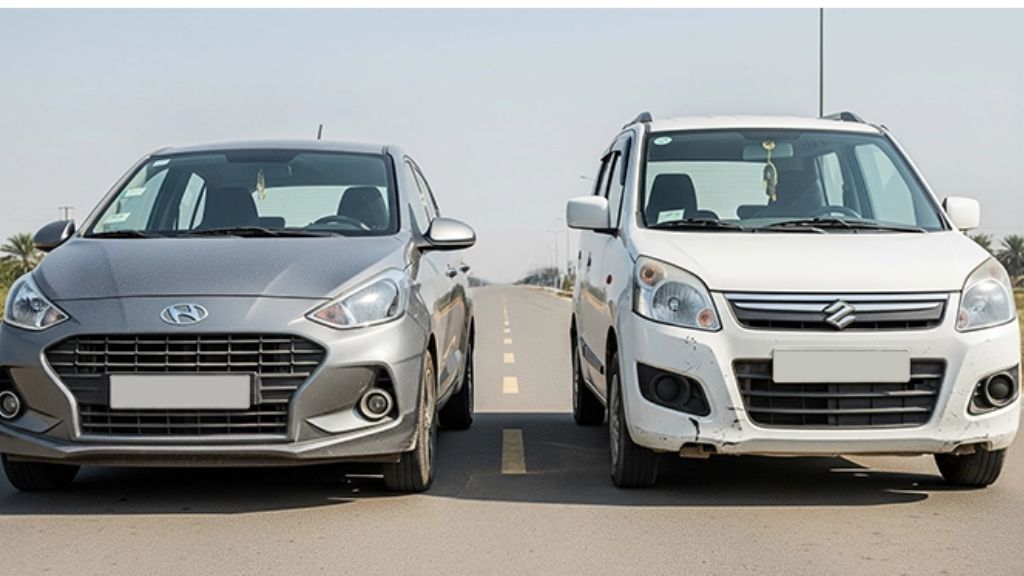
Space winner: Maruti WagonR — more usable interior space at every dimension
Features at Equivalent Price Points
| Feature | WagonR ZXI (Rs. 6.89L) | Nios Sportz (Rs. 7.18L) |
| Infotainment | 9-inch SmartPlay Pro+ | 8-inch with wireless Android Auto |
| Airbags | 2 standard | 2 standard |
| Rear camera | Yes | Yes |
| CNG option | Yes — factory S-CNG | Yes — factory CNG |
| Automatic option | AMT available | iMT only — no true auto |
Features are broadly matched at comparable price points. WagonR’s SmartPlay Pro+ is slightly more capable. Nios’s cabin material quality feels marginally more premium. Neither has something dramatically missing versus the other at these variant levels.
CNG — Both Available, Economics Identical
WagonR S-CNG from Rs. 6.44 lakh. Grand i10 Nios CNG from Rs. 6.86 lakh. Both deliver 24-30 km/kg real-world CNG mileage. For buyers with CNG on their route, the fuel economy gap between petrol variants becomes irrelevant — both are excellent on CNG. Factory CNG from either brand is strongly preferred over aftermarket conversion.
| Also Read: CNG Car Problems India 2026 | |
Service Network
Maruti: 4,000+ authorised centres. Hyundai: 1,400+. Both excellent in major cities. In tier-2 and tier-3 towns, Maruti’s network density is a genuine practical advantage — for buyers outside metros, Maruti serviceability translates to real quality of life difference. Service cost over 5 years: WagonR Rs. 28,000-38,000 versus Nios Rs. 32,000-42,000. Rs. 4,000-8,000 difference over five years — noticeable but not decisive.
The Honest Verdict
Buy WagonR if: You regularly carry four adults, space matters, CNG is relevant to you, you are outside a major city, long-term mileage economics are the priority, or you plan to keep the car 7+ years.
Buy Grand i10 Nios if: You drive primarily alone or with one passenger, you want better highway performance (1.2-litre engine is noticeably more capable above 80 km/h), you value the slightly more refined driving feel, or you are in a major city where Hyundai’s service quality is equivalent to Maruti’s practically.
Frequently Asked Questions
Q: WagonR or Grand i10 Nios for family India?
For families of four using all seats regularly: WagonR — the tall-boy interior space advantage is genuinely significant. Rear headroom in WagonR is best of any budget hatchback in India. Four adults on 45+ minute journeys will feel the difference over the Nios on every trip.
Q: WagonR better mileage than Grand i10 Nios?
Yes. WagonR 1.0-litre delivers 2-3 km/l better city mileage than Nios 1.2-litre. At 1,200 km/month, this saves Rs. 10,000-17,000 annually — Rs. 50,000-85,000 over five years. This is WagonR’s strongest single long-term financial argument.
Q: WagonR vs Grand i10 Nios which has better resale?
Both have reasonable resale in their segment. Maruti’s larger used car market means WagonR typically sells faster with more buyers. The Grand i10 Nios holds value reasonably well given Hyundai’s strong brand. If resale speed matters more than resale value, WagonR is the safer choice.