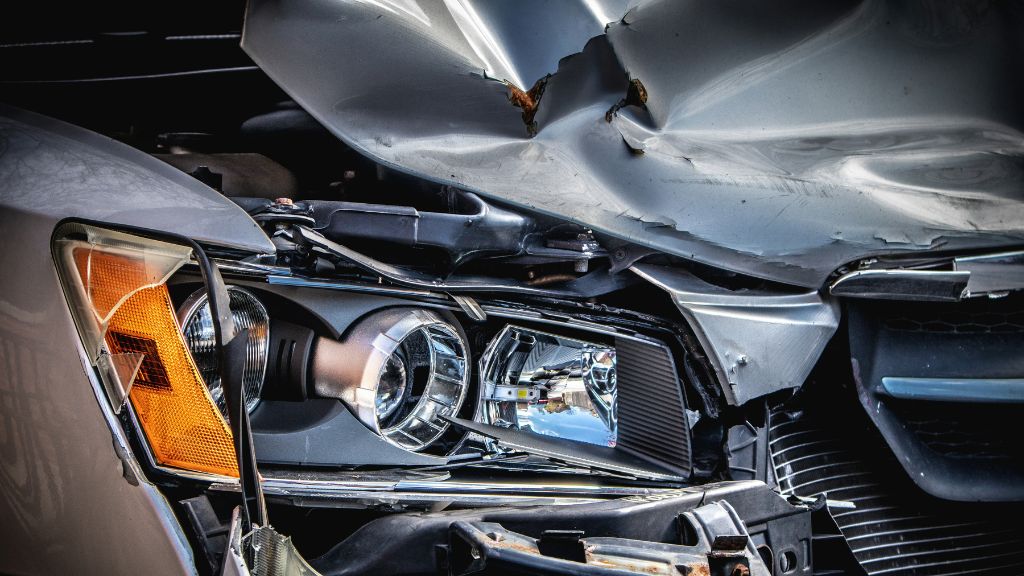
Your car is in the garage, the repair estimate is Rs 80,000, and your insurer just sent a rejection letter. This is one of the most frustrating experiences an Indian car owner can face. The rejection may feel final. It almost certainly isn’t.
Indian insurance law gives policyholders significant rights to challenge rejections. The IRDAI (Insurance Regulatory and Development Authority of India) has specific timelines and escalation paths that insurers are legally required to follow. And in a meaningful percentage of rejected claims, a properly filed challenge succeeds.
Here are the 8 most common reasons car insurance claims are rejected in India, and your specific options for fighting each one.
Reason 1: Delayed Intimation (The #1 Reason)
Most comprehensive policies require you to intimate the insurer within 24–48 hours of an accident, or within 7 days for theft. If you waited longer, the insurer often rejects the claim citing delayed reporting.
How to fight it: If you had a genuine reason for the delay — hospitalisation, being in a remote area without network, a family emergency — document it and submit a written explanation with your challenge. Courts and IRDAI have consistently ruled that insurers cannot reject claims solely on delayed intimation if the delay was caused by circumstances beyond the policyholder’s control and the delay did not prejudice the insurer’s ability to investigate.
Reason 2: Expired Driving Licence
If your driving licence was expired at the time of the accident, insurers have solid legal ground to reject the claim under the policy’s licence validity condition.
How to fight it: If your licence expired within days of the accident and you had applied for renewal, submit proof of the renewal application. If you had a valid licence but it’s a different class than the vehicle you were driving (e.g., a two-wheeler licence but driving a car), the claim will be rejected — this is harder to fight. Prevention: check your licence expiry date today.
Reason 3: Non-Disclosure of Material Facts
If you modified your car after purchasing insurance (engine modification, CNG kit without endorsement, structural changes) and didn’t inform your insurer, and the accident is related to that modification, the claim can be rejected.
How to fight it: If the accident is demonstrably unrelated to the modification — for example, you added a CNG kit but the accident was a parking collision with no engine involvement — argue that the non-disclosure did not contribute to the loss. This argument has succeeded in consumer courts.
Reason 4: Vehicle Used for Commercial Purpose
Personal vehicle policies do not cover commercial use. If you were using your personal car for Ola, Uber, or any paid taxi service without a commercial endorsement, your claim after an accident while on a commercial trip will be rejected.
How to fight it: This is one of the harder rejections to overturn. If you were on a personal trip and there’s no evidence of commercial use at the time, contest it with your trip data (if the insurer is relying on GPS data that shows a drop-off, for example).
Reasons 5–8: Other Common Rejection Grounds
- Reason 5 — Fraud or misrepresentation: If the insurer alleges the accident was staged or facts were misrepresented. Fight with independent witness testimony, dashcam footage, and FIR details.
- Reason 6 — Exclusion clause applied incorrectly: Insurers sometimes apply exclusion clauses too broadly. Read your policy exclusions carefully — if the rejection cites an exclusion that doesn’t apply to your situation, challenge it explicitly with the relevant policy language.
- Reason 7 — Depreciation dispute: The surveyor valued the damage lower than the actual repair cost. This is negotiable — get an independent estimate from a second qualified garage and submit it.
- Reason 8 — Drink driving allegation: If the insurer alleges drink driving without a breathalyser report or police FIR mentioning alcohol, challenge the allegation and ask for their evidence.
The 3-Step Escalation Path for Rejected Claims in India
Step 1: Internal Grievance — Insurer’s Grievance Officer
Write a formal grievance to your insurer’s designated Grievance Officer within 15 days of receiving the rejection letter. By IRDAI mandate, the insurer must respond within 15 working days. Send by email with read receipt AND registered post — you want proof of delivery.
Your letter should: state the policy number and claim reference, clearly cite the rejection reason they gave, explain why that reason is incorrect or does not apply, list supporting documents attached, and specifically request reconsideration of the claim.
Step 2: IRDAI Grievance Portal — igms.irda.gov.in
If the insurer doesn’t respond within 15 working days or maintains the rejection, file a complaint on the IRDAI Integrated Grievance Management System at igms.irda.gov.in. This is free. The complaint goes directly to the IRDAI and the insurer is required to respond to the regulator within a specified timeline.
IRDAI complaints are taken seriously by insurers because persistent non-resolution can trigger regulatory action. Many claims that survive to IRDAI complaint are settled by the insurer rather than going to the regulator’s recommendation.
Step 3: Insurance Ombudsman
The Insurance Ombudsman is a free, independent body that adjudicates disputes between policyholders and insurers for claims up to Rs 50 lakh. There are ombudsman offices in 17 cities across India. Decisions are binding on the insurer (though you can appeal further if needed). File at cioins.co.in.
The ombudsman process is faster than consumer court — typically resolved in 3–6 months vs. 1–2 years in court. For most rejected car insurance claims, the ombudsman is the most effective path to resolution.
Most people who face claim rejection give up at the first letter. The ones who write to the Grievance Officer, then IRDAI, then the Ombudsman — get results. The system is designed to work for you. Use it.