Why this category matters
Buying a helmet on a limited budget can feel like a compromise. In reality, the smart approach is to separate the features that affect protection and fit from the features that simply make a helmet look more premium. A rider does not need a huge spoiler, expensive graphics or every convenience feature to get a useful helmet. What matters first is genuine certification, correct sizing, secure retention and a design appropriate for the riding environment.
The right helmet should disappear into your routine once you put it on. You should be able to concentrate on traffic rather than constantly adjusting a loose strap, wiping a fogged visor or dealing with painful pressure points. This is why practical comfort is part of helmet selection, not a luxury feature.
The first thing to check: certification
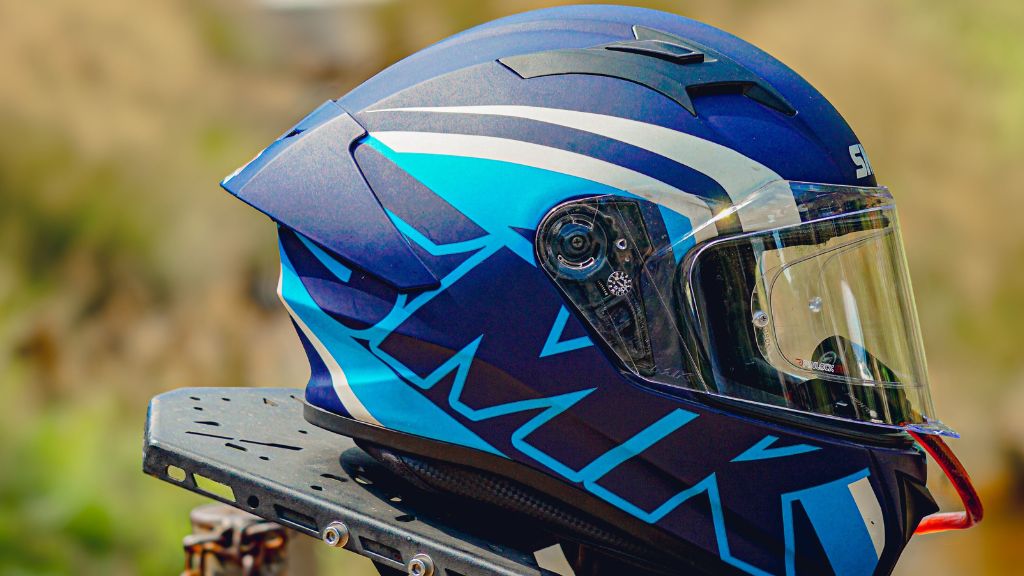
For riders in India, genuine BIS/ISI certification is an essential starting point. The Indian protective helmet standard is IS 4151:2015, and the government has taken action against non-compliant helmets and counterfeit certification marks. A product page saying ‘ISI style’ or showing an unclear sticker is not a substitute for a genuine certified product. Check the physical marking and the exact model information when the helmet arrives.
Some helmets also carry ECE certification. ECE 22.06 is a newer European motorcycle-helmet standard and is widely respected for its testing requirements. For an Indian rider, additional certification can be a useful quality signal, but it does not remove the need to check the Indian certification requirement applicable to the helmet being purchased.
Fit is more important than a long feature list
Start by measuring your head and comparing the measurement with the manufacturer’s chart. Try the helmet on for several minutes if you can. It should feel snug all around without producing a sharp pressure point. The cheeks should be held firmly, and the helmet should not rotate freely when you move your head.
A common mistake is choosing a helmet that feels loose because it is comfortable in the first minute. Padding compresses with use, so an already-loose helmet can become even less secure. On the other hand, a helmet that causes pain or numbness is not a good fit either. Head shape matters as much as circumference, which is why trying different brands can be valuable.
Models and brands to put on your shortlist
If your target is the budget segment, look at established Indian names such as Vega, Studds and Steelbird and compare their current full-face models. The exact model can vary by size and seller, so focus on the certification and fit rather than chasing a particular graphic. In this segment, spending slightly more for a correctly fitted full-face helmet can be a better decision than buying the cheapest possible shell.
Do not treat any list of ‘top helmets’ as permanent. Helmet models change, graphics are replaced and prices move during sales. The better long-term strategy is to learn how to evaluate the exact helmet in front of you. That makes you less dependent on rankings and more likely to make a good purchase.
Which brands and models are worth considering?
Indian buyers have a wide range of choices, from established domestic brands to international manufacturers sold through Indian distributors. Steelbird, Studds and Vega offer numerous commuter-focused options. Axor has several sportier full-face designs, while SMK and MT offer models aimed at riders looking for additional features and higher-end construction.
Examples frequently seen in the Indian market include Axor Hunter, Axor Apex, SMK Typhoon and MT Thunder 4 SV, although exact variants, certifications, sizes and prices can change. Treat the model name as a starting point for research rather than a guarantee that every variant has identical specifications. Always verify the exact listing.
A useful way to shop in this range is to set a minimum standard rather than a maximum wish list. Decide that the helmet must be genuine, correctly sized, securely fastened and suitable for your riding. Then compare the remaining features. This keeps the buying decision grounded in safety instead of discounts. A sale price is useful only when the underlying helmet is the right product.
Remember that ownership cost matters too. A helmet with a washable liner and replacement visor availability can be more practical over several years than a cheaper helmet with difficult-to-replace parts. Before buying, search for the manufacturer’s after-sales information and confirm that replacement components are available in India.
Features worth paying for
Ventilation is valuable for Indian weather, especially when you commute daily. A removable and washable liner is another practical feature because sweat and dust accumulate quickly. A clear, optically clean visor with dependable sealing can make a bigger difference to everyday riding than decorative graphics.
For riders who travel in rain or cool weather, anti-fog capability is worth considering. Pinlock-ready visors can be particularly useful when compatible inserts are available. A secondary sun visor is convenient during bright daytime riding, but it should not distract from the quality of the primary visor. If you use Bluetooth communication, check speaker pockets and avoid modifications that could damage the shell.
Common mistakes buyers make
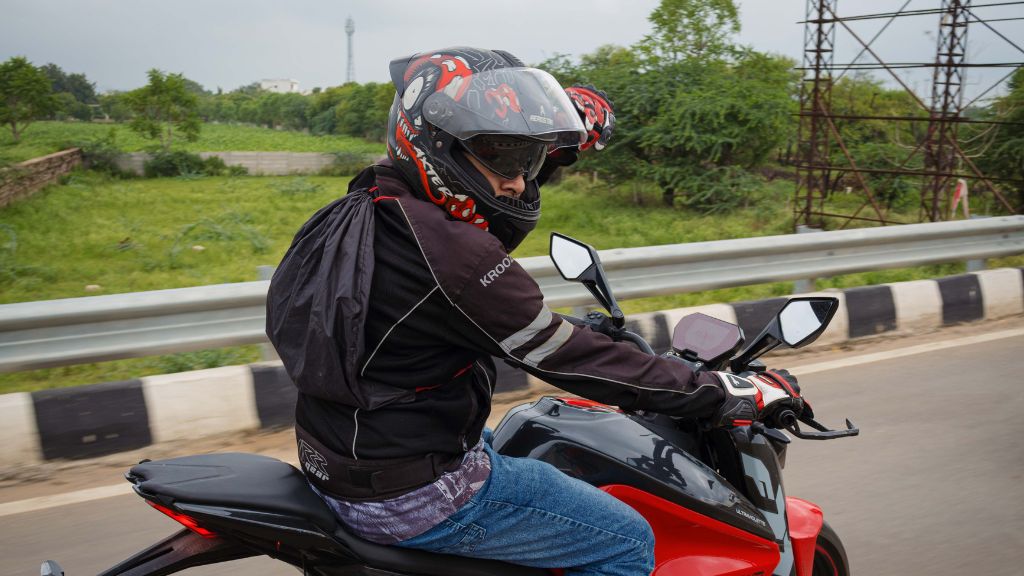
One common mistake is buying only by price. Another is buying a helmet based on a friend’s size. Head shape and fit are personal. A third mistake is assuming that a famous brand automatically means every model is suitable for every rider.
Buyers should also be cautious about counterfeit products, unclear sellers and suspiciously cheap listings. Check return policies carefully because some sellers may not accept returns after a helmet has been worn. Do not purchase a used helmet if its history is unknown. Internal damage from a previous impact may not be visible.
How to maintain your helmet
Keep the shell clean with products recommended by the manufacturer and avoid harsh chemicals. Wash removable liners as instructed and allow them to dry completely before reinstalling them. Clean the visor gently with a suitable cloth so that scratches do not build up.
Do not leave the helmet in extreme heat for long periods when it can be avoided, and do not place heavy objects on it. Store it in a dry, protected location. Inspect the strap, buckle, visor mechanism and shell regularly. If the helmet has suffered a serious impact, follow the manufacturer’s replacement guidance rather than assuming it is still safe because it looks normal.
Who should buy this type?
This category is most useful when it matches your actual routine. A budget helmet can be the right choice for a short city commute if it is certified, fits correctly and is replaced when necessary. A premium helmet makes more sense for riders who spend long hours on highways and will genuinely benefit from improved comfort, visor systems, ventilation and refined construction.
The same principle applies to full-face, lightweight, touring and weather-focused helmets. The best purchase is not the one with the longest specification sheet. It is the one that combines appropriate coverage, reliable certification, a secure fit and features you will actually use.
Final buying checklist
Before paying, confirm these points: the exact model is clearly identified; the helmet has the required genuine certification; the size matches your measured head; the strap and buckle work correctly; the visor opens and closes smoothly; the liner feels comfortable; the seller offers a sensible return policy; and the helmet has no visible damage or questionable markings.
If you are ordering online, keep the packaging and invoice until you have checked the helmet carefully. Compare the delivered product with the listing and manufacturer information. Do not assume that a product is genuine simply because an online marketplace displays a certification badge.
FAQs
Q1. Is a full-face helmet necessary for every rider?
A. It is not the only helmet type, but it offers more coverage and is a strong choice for riders who want broader protection, especially on highways.
Q2. Does a higher price guarantee better protection?
A. No. Certification, construction, fit and correct use are more important than price alone.
Q3. Is ECE 22.06 useful for Indian riders?
A. It can be a useful additional safety standard, but Indian buyers should still verify the applicable BIS/ISI requirement.
Q4. Can I buy a helmet without trying it on?
A. You can, but measuring your head and using the manufacturer’s size chart is essential. A return option is valuable if the fit is wrong.
Q5. What is the most important helmet feature?
A. A proper fit and genuine certification are among the most important starting points. Features should come after these basics.
Q6. Should I replace a helmet after a crash?
A. Follow the manufacturer’s guidance, and treat a helmet involved in a serious impact as potentially compromised even if there is no visible damage.
The strongest helmet purchase is the one that combines genuine certification, a secure and comfortable fit, suitable coverage and features that match the way you actually ride. Trends will change and new models will appear, but those fundamentals will remain useful. Check the exact product before ordering, verify the physical markings when it arrives, and never let a discount become the reason you compromise on protection.