The Tata Punch EV occupies a unique and important position in India’s electric vehicle market. It is not the cheapest EV — the Tata Tiago EV starts lower. It is not the largest — the Nexon EV is bigger. But in February 2026, when Tata launched the facelifted Punch EV with significantly larger batteries, more range, and a 5-star BNCAP safety rating confirmed in July 2026, it staked a claim to being the best all-round affordable electric car in India.
I have driven the 2026 Punch EV in both 30kWh and 40kWh configurations across city and highway conditions. This is the honest, complete review — covering everything from real-world range to whether the variant pricing makes sense.
What Changed in the 2026 Facelift — Big Battery, New Look
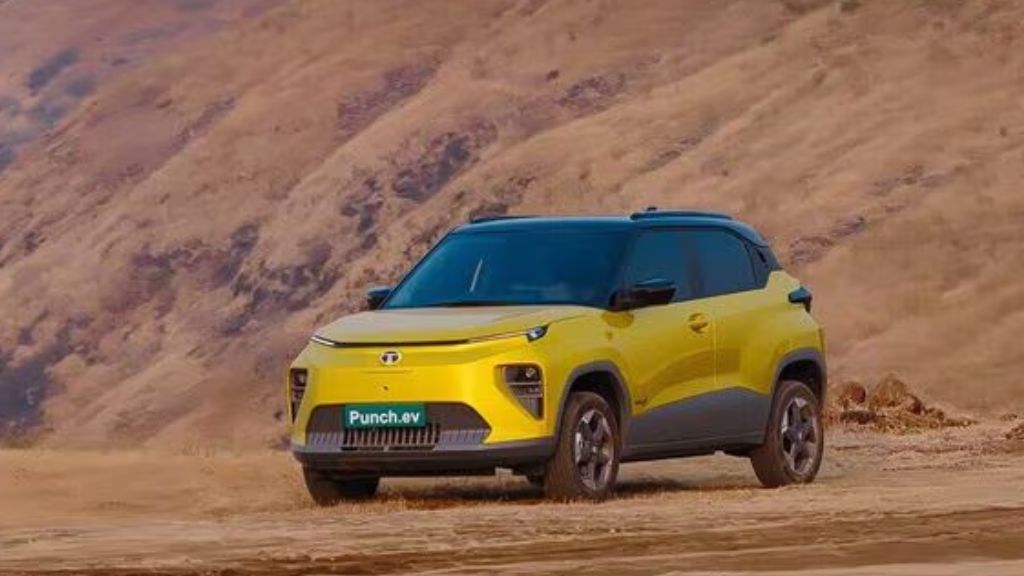
The 2026 Punch EV facelift is the most significant update since the model’s original 2024 launch. Key changes:
Larger Battery Packs: The single biggest upgrade. The 2026 Punch EV offers 30kWh and 40kWh batteries — up from 25kWh and 35kWh in the previous generation. This 5kWh increase on each pack meaningfully improves real-world range and charging flexibility.
Connected Tail Light: A new full-width LED tail lamp connecting both rear lights — gives the Punch EV a more premium rear appearance and matches trends seen in higher-segment cars.
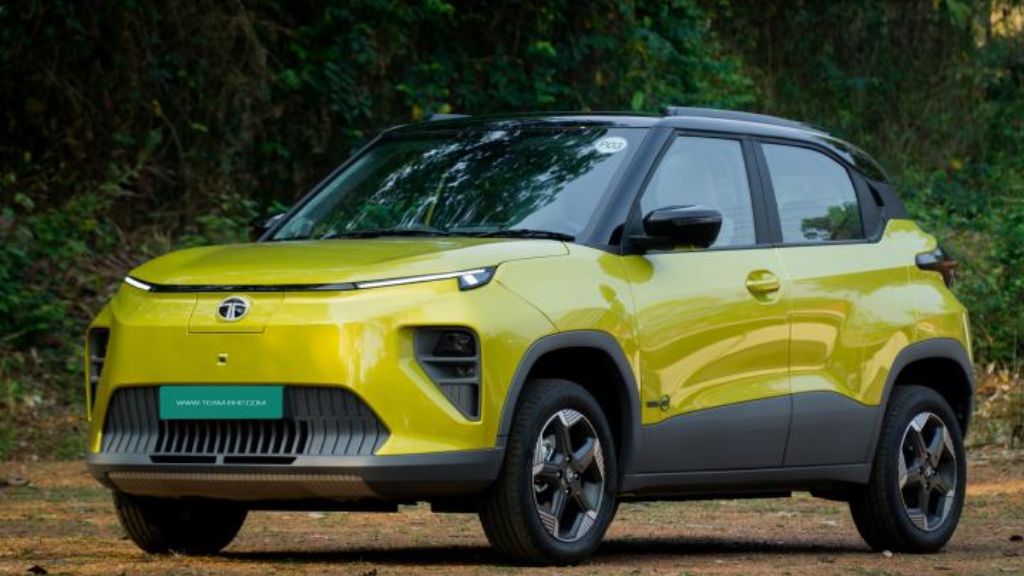
New Alloy Wheel Design: Updated 16-inch alloy wheel design on Empowered and above variants.
Ventilated Front Seats: Now available on Empowered variants — a segment-first feature at this price for an EV.
Lifetime Battery Warranty: Tata offers a lifetime battery warranty with unlimited kilometres on the 40kWh pack — replacing the standard 8-year/1.6 lakh km warranty. The 30kWh variants retain the 8-year/1.6 lakh km warranty.
5-Star BNCAP: On July 29, 2026, Tata Punch EV received 5-star ratings for both adult and child protection in Bharat NCAP testing — confirming it as one of India’s safest affordable cars.
All 2026 Tata Punch EV Variants and Prices
| Variant | Battery | ARAI Range | Price (ex-sh) | Key Features |
| Smart 30 | 30 kWh | 365 km | Rs 9.79 lakh | 6 airbags, ESP, basic features |
| Smart+ 40 | 40 kWh | 468 km | Rs 10.89 lakh | Larger battery, more range, good value |
| Adventure 30 | 30 kWh | 365 km | Rs 10.99 lakh | Sunroof, 10.25in screen, LED headlamps |
| Adventure+ 40 | 40 kWh | 468 km | Rs 11.79 lakh | 40kWh + sunroof + screen combo |
| Empowered 40 | 40 kWh | 468 km | Rs 12.69 lakh | 360 cam, ventilated seats, blind spot |
| Empowered+ S 40 | 40 kWh | 468 km | Rs 12.99 lakh | Top spec — all features |
Autocar India’s expert advice: the Rs 30,000 gap between Empowered and Empowered+ S makes the top variant worth considering if budget allows. For value-focused buyers, the Smart+ 40kWh at Rs 10.89 lakh is the pick — larger 40kWh battery at the lowest 40kWh price.
Battery and Range — The Most Important Numbers
30kWh Battery (Smart and Adventure variants)
The 30kWh battery delivers 365km ARAI claimed range. In real-world Indian conditions:
| Condition | Real-World Range |
| City driving (AC on, mixed traffic) | 260-275 km |
| Highway at 80-90 kmph (AC on) | 290-310 km |
| Highway at 100-110 kmph (AC on) | 250-270 km |
| Tata C75 standardised range | ~290 km |
40kWh Battery (Smart+, Adventure+, Empowered variants)
The 40kWh battery delivers 468km ARAI range — the highest in any Tata passenger EV currently. Real-world:
| Condition | Real-World Range |
| City driving (AC on, mixed traffic) | 335-355 km |
| Highway at 80-90 kmph (AC on) | 365-390 km |
| Highway at 100-110 kmph (AC on) | 310-335 km |
| Tata C75 standardised range | ~380 km |
The 40kWh pack’s 335-355 km real-world city range means most urban commuters can drive for 5-7 days between charges at 50-60 km daily use. This genuinely eliminates range anxiety for all but the most demanding use cases.
Motor and Performance — 88hp vs 129hp
30kWh Motor (88hp, 154Nm): Front-mounted permanent magnet motor. Adequate for city driving and relaxed highway use. The lower power output is noticeable in overtaking situations on highways — you need to plan passes rather than execute them spontaneously. 0-100 kmph in approximately 13-14 seconds.
40kWh Motor (129hp, 154Nm): Same torque but significantly more power. The difference in everyday driving is meaningful — overtaking is genuinely effortless and the car feels sprightly in city traffic. 0-100 kmph in under 9 seconds as claimed by Tata. This is the stronger recommendation if budget allows.
Charging — Fast and Convenient
| Charging Type | 30kWh Time | 40kWh Time | Notes |
| 7.2kW AC home charger (10-100%) | 4.5 hours | 5.3 hours | Overnight charging — most common |
| 65kW DC fast charger (20-80%) | 26 minutes | 26 minutes | For quick top-ups on highway |
| 15-min DC fast charge range top-up | 110 km range | 135 km range | Emergency quick charge |
The 65kW DC charging speed giving 20-80% in 26 minutes is class-competitive. On a road trip with a 200km leg, a 26-minute break while charging is entirely manageable — roughly the time for a proper lunch stop. Tata’s Tata EZ Charge network now has 2,000+ public charging points across India.
Features — What Each Variant Gets You
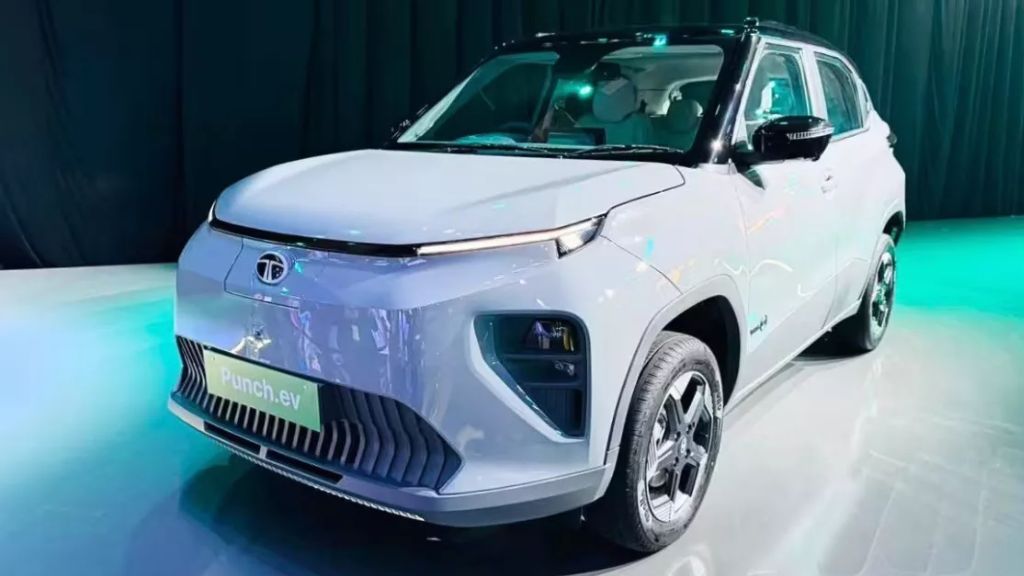
Smart (Rs 9.79L) — The Safety-Essentials Base
The Smart is deliberately feature-sparse to hit the sub-Rs 10 lakh price point. What it does include is genuinely important: 6 airbags as standard, ESP, Hill Hold Assist, ISOFIX, TPMS, and SOS emergency calling. The basic digital display and small screen are compromises, but the safety foundation is solid.
Smart+ 40kWh (Rs 10.89L) — The Value Pick
This is our recommended starting point for most buyers. For Rs 1.10 lakh more than the Smart, you get the larger 40kWh battery — 100km more real-world range, significantly more powerful 129hp motor, and the lifetime battery warranty. The feature deficit versus upper variants is real but the range and motor upgrade are worth more than the features you are missing.
Empowered and Empowered+ S (Rs 12.69-12.99L) — Full Feature
The Empowered variants lock in all the desirable features: 10.25-inch touchscreen infotainment, 10.25-inch digital driver’s display, sunroof, 360-degree camera, blind-spot monitor, ventilated front seats, LED fog lamps, cabin air purifier, rain-sensing wipers, auto-dimming IRVM, wireless Android Auto and Apple CarPlay. If you want the complete Punch EV experience, these are the variants.
| Also Read: Best Electric Car Under 10 Lakh India 2026 | https://motorsadda.in/best-electric-car-under-10-lakh-india-2026/ |
Tata Punch EV vs Key Rivals — How Does It Compare?
| Factor | Punch EV Smart+40 | Tata Tiago EV LR | MG Windsor EV | Hyundai Creta EV E |
| Price | Rs 10.89 lakh | Rs 8.69 lakh | Rs 13.99 lakh | Rs 17.99 lakh |
| Battery | 40 kWh | 24 kWh | 50.6 kWh | 42 kWh |
| ARAI Range | 468 km | 315 km | 460 km | 473 km |
| Real Range (city) | 335-355 km | 235-250 km | 350-375 km | 355-380 km |
| Body Type | Sub-4m SUV | Hatchback | Sedan-SUV | Compact SUV |
| 5-Star BNCAP | Yes (July 2026) | Expected | Not tested | Yes |
| Boot Space | 366 litres | 192 litres | ~400 litres | 433 litres |
| Ground Clearance | 190mm | 165mm | ~175mm | 190mm |
| Fast Charging | 65kW DC, 26 min 20-80% | 50kW DC | DC available | 50kW DC |
The comparison positions the Punch EV clearly: it offers more range than the Tiago EV at a modest premium, SUV ground clearance and body style that the Tiago cannot match, and significantly lower cost than the MG Windsor and Creta EV while being competitive on real-world range. For the Rs 10-12 lakh EV budget, the Punch EV is the strongest all-round package.
5-Star BNCAP — Why This Matters
On July 29, 2026, the Tata Punch EV received 5-star ratings for both adult occupant protection and child occupant protection in Bharat NCAP crash testing. This is significant for multiple reasons:
- It confirms that the Punch EV’s electric platform does not compromise crash safety versus the ICE Punch (which was the first Indian car to score 5 stars in original BNCAP testing)
- At Rs 9.79 lakh, you now have a 5-star BNCAP electric car — previously only possible at significantly higher price points in the EV segment
- 6 airbags are standard from the base Smart variant — meaning even the cheapest Punch EV has the full complement of airbags
- The combined package of 5-star BNCAP, 6 airbags, ESP, and Hill Hold on a sub-10 lakh electric car is genuinely remarkable by any global standard
Real Ownership Experience — What Punch EV Owners Say
Based on owner reviews across CarWale, Autocar India, and CarDekho from 2024-2026 Punch EV owners:
Most Praised: Stability at highway speeds (significantly better than comparable ICE hatchbacks of similar size), the smooth and linear power delivery of the electric motor, the connected features via iRA.ev app, and the overall build quality which feels premium for the price.
Most Criticised: The absence of a spare tyre even in the top variant (replaced by a puncture kit), feature gating — many useful features like the 360 camera and ventilated seats are locked to the expensive Empowered variants, and the 30kWh motor’s limited overtaking power at highway speeds.
Charging Experience: Owners consistently report the 7.2kW AC home charging as the primary daily use case — charged overnight, full battery every morning. DC fast charging used rarely, primarily on road trips.
5-Year Ownership Cost — The Financial Case
| Cost Component | Punch EV Smart+40kWh | Tata Tiago Petrol XT |
| Purchase Price | Rs 10.89 lakh | Rs 6.69 lakh |
| Insurance (5 years) | Rs 65,000 | Rs 42,000 |
| Electricity/Fuel (5yr, 1500km/mo) | Rs 1,62,000 | Rs 3,90,000 |
| Service (5 years) | Rs 18,000 | Rs 28,000 |
| Battery warranty | Lifetime unlimited km | N/A |
| 5-Year Total | Rs 13,34,000 | Rs 11,29,000 |
At 1,500 km/month, the Punch EV Smart+ 40kWh costs approximately Rs 2.05 lakh more over 5 years versus a comparable Tiago petrol. At 2,000 km/month, the gap narrows to under Rs 1 lakh. At higher monthly usage, the EV becomes financially superior. The lifetime battery warranty on the 40kWh pack eliminates the single biggest long-term ownership risk.
Who Should Buy the 2026 Tata Punch EV?
Perfect for: Urban families with 40-80 km daily commute, home charging access (own parking or dedicated EV socket), buyers who want SUV ground clearance and body style with EV running costs, and anyone prioritising safety (5-star BNCAP).
Not ideal for: Daily highway commuters exceeding 150 km per day without reliable public DC charging en route, apartment dwellers with no charging access whatsoever, buyers who need a spare tyre for remote area travel, or those who cannot stretch beyond Rs 9 lakh.
Our Variant Recommendation
Best value: Smart+ 40kWh at Rs 10.89L: The 40kWh battery, 129hp motor, 468km ARAI range, and lifetime battery warranty make this the most important Rs 1.10L premium over the base Smart. The single best value variant in the Punch EV lineup.
Full feature: Empowered 40kWh at Rs 12.69L: If you want the 360 camera, sunroof, ventilated seats, and the full feature list, Empowered is the one. The Rs 30K gap to Empowered+ S is small enough to consider the top variant.
Budget entry: Smart 30kWh at Rs 9.79L: Good for low-mileage users (under 40 km daily). 260-275 km real range requires more frequent charging but 5-star safety, 6 airbags, and Tata’s network at sub-Rs 10 lakh is compelling.
Frequently Asked Questions
Q: What is the price of Tata Punch EV 2026?
Tata Punch EV 2026 facelift price ranges from Rs 9.79 lakh (Smart 30kWh base) to Rs 12.99 lakh (Empowered+ S 40kWh top) ex-showroom. The 40kWh variants start at Rs 10.89 lakh (Smart+). On-road price in Mumbai ranges from approximately Rs 10.30 lakh to Rs 13.81 lakh including road tax and insurance.
Q: What is the real-world range of Tata Punch EV 2026?
The 30kWh Punch EV delivers 260-275 km in city driving (ARAI claims 365 km). The 40kWh Punch EV delivers 335-355 km in city driving (ARAI claims 468 km). Highway range at 80-90 kmph is higher — approximately 290-310 km (30kWh) and 365-390 km (40kWh). Tata’s own C75 standardised real-world range is 290 km for 30kWh and 380 km for 40kWh.
Q: Is Tata Punch EV worth buying in 2026?
Yes — for buyers with home charging access and a 40-80 km daily commute. The 2026 facelift’s larger batteries (30kWh and 40kWh), 5-star BNCAP safety, lifetime battery warranty on the 40kWh pack, and competitive pricing make it the strongest affordable EV package in India. The Smart+ 40kWh at Rs 10.89 lakh is the best starting point for most buyers.
Q: How long does Tata Punch EV take to charge?
Using a 7.2kW AC home charger, the 30kWh pack takes 4.5 hours and 40kWh takes 5.3 hours for 10-100% charge — ideal for overnight charging. A 65kW DC fast charger charges both packs from 20-80% in just 26 minutes. 15 minutes of DC fast charging provides approximately 110 km (30kWh) or 135 km (40kWh) of range top-up — useful for highway stops.
Q: Does Tata Punch EV have spare tyre?
No — the Tata Punch EV does not come with a spare tyre in any variant, including the top Empowered+ S. It comes with a puncture repair kit instead. This is the most commonly cited criticism in owner reviews. For buyers who travel to areas with limited roadside assistance, this is worth noting. Tata’s rationale is weight reduction and space optimisation for the EV platform.
Q: Tata Punch EV vs Tata Tiago EV — which to buy?
Tiago EV starts at Rs 7.99 lakh (lower price), but has a smaller 24kWh battery (315km ARAI), 74hp motor, hatchback body (lower ground clearance), and smaller boot (192L). Punch EV at Rs 9.79L gives you a sub-4m SUV body with 190mm ground clearance, larger 30kWh battery (365km ARAI), more powerful motor, and 366L boot. If budget allows Rs 9.79L+, the Punch EV is the better vehicle for most use cases. The Tiago EV makes sense only if price is the primary constraint.