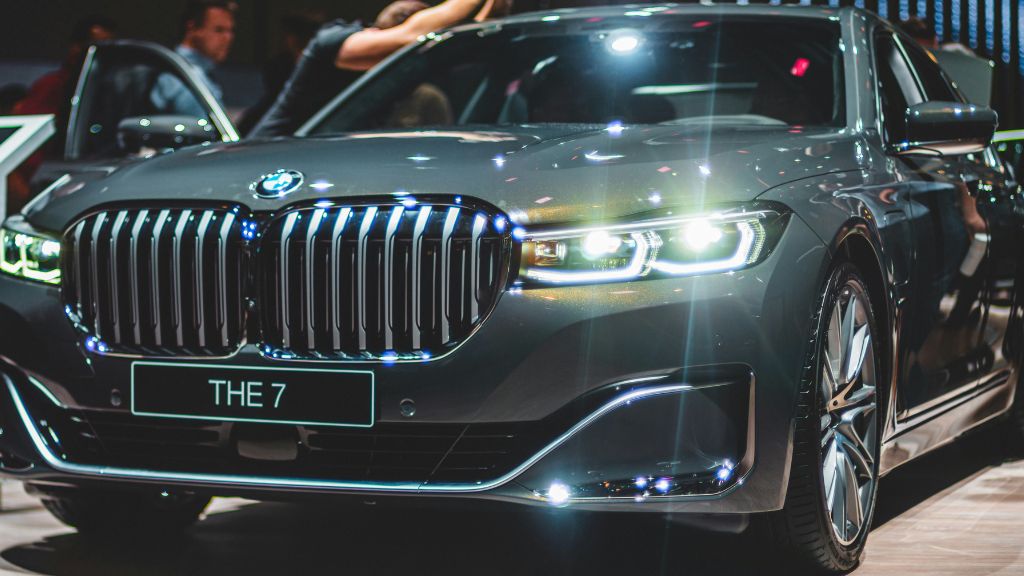
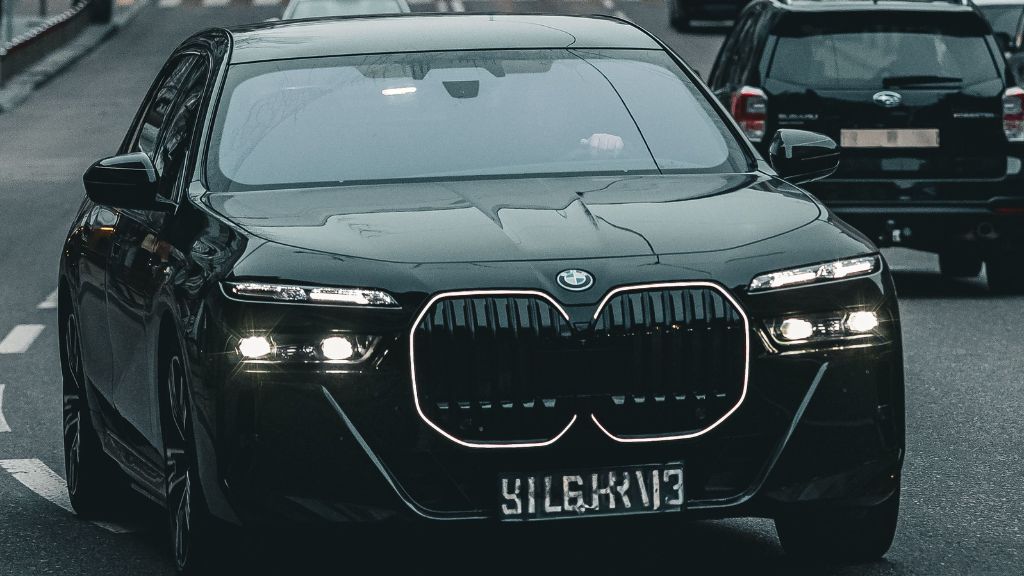
The BMW i7 represents something genuinely significant in the Indian luxury car market. It is not just an electric luxury sedan — it is a statement that BMW is committed to delivering its most technologically advanced product at full luxury specification in the Indian market, without the compromises that sometimes accompany CKD assembly or market-specific de-contenting.
At Rs 1.72-2.19 crore, the i7 occupies the rarefied air of ultra-luxury electric vehicles alongside the Mercedes-Benz EQS and the Lucid Air (yet to officially launch in India). For buyers at this level, the question is not really whether they can afford it — it is which car best matches their understanding of what a luxury car should be in 2026.
All i7 Variants Available in India
| Variant | Power | Range | Price (ex-sh) | Drive |
| i7 xDrive60 | 544 hp | 625 km (WLTP) | Rs 1.72 crore | AWD |
| i7 eDrive50 (RWD) | 490 hp | 625 km (WLTP) | Rs 1.58 crore | RWD |
| i7 M70 xDrive | 659 hp | 560 km (WLTP) | Rs 2.19 crore | AWD |
| i7L (long wheelbase) | 544 hp | 625 km | Rs 1.95 crore | AWD |
The Technology That Defines the i7
The Theatre Screen — Rear Seat Entertainment Redefined
The i7’s most talked-about feature is the optional 31.3-inch 8K Theatre Screen that deploys from the headliner to the rear passenger cabin. Combined with surround sound from the optional Bowers and Wilkins Diamond surround sound system (30 speakers), the i7’s rear cabin becomes a mobile cinema. This is not a gimmick — owners who specify it consistently call it the single feature that most impresses guests and family.
Rear-Wheel Steering
The i7 uses BMW’s integral active steering system with up to 3.5 degrees of rear-wheel steering. At low speeds, the rear wheels turn in the opposite direction to the fronts — reducing the effective turning circle to that of a compact car despite the i7’s 5,391mm length. At highway speeds, the rear wheels turn in the same direction for enhanced stability. The result: an urban maneuvering feel that defies the car’s dimensions.
Air Suspension with Executive Drive Pro
The i7’s air suspension adjusts continuously using cameras that read the road surface ahead — pre-emptively adjusting each corner’s damping before the wheel encounters the bump or pothole. On Indian roads, this makes the i7 the most effectively isolated large car from road surface imperfections you will experience at any price point.
Level 2+ ADAS — Near Autonomous Capability
- Traffic Jam Assist — hands-off driving in stop-and-go traffic up to 60 kmph
- Motorway Assist — hands-off highway driving with lane keeping, adaptive cruise, and lane changes
- Personal CoPilot — BMW’s brand for the Level 2+ system capable of extended autonomous operation
- Parking Assistant Pro — fully automated parallel and perpendicular parking with remote control from outside the car
Real-World Range — The Honest Numbers
| Condition | i7 xDrive60 | i7 M70 xDrive |
| WLTP claimed | 625 km | 560 km |
| Real world (mixed) | 480-520 km | 420-460 km |
| City driving (slow) | 530-560 km | 465-500 km |
| Highway 120 kmph | 420-450 km | 375-410 km |
| Indian summer (AC high) | 440-480 km | 390-430 km |
The i7’s real-world range of 480-520 km in mixed conditions is genuinely impressive and more than adequate for any Indian usage pattern — including Mumbai-Pune (150 km) and Delhi-Agra (200 km) without charging stops. The BMW charging network in India is growing — currently 50+ fast chargers in 25+ cities, with rapid expansion planned through 2026-2027.
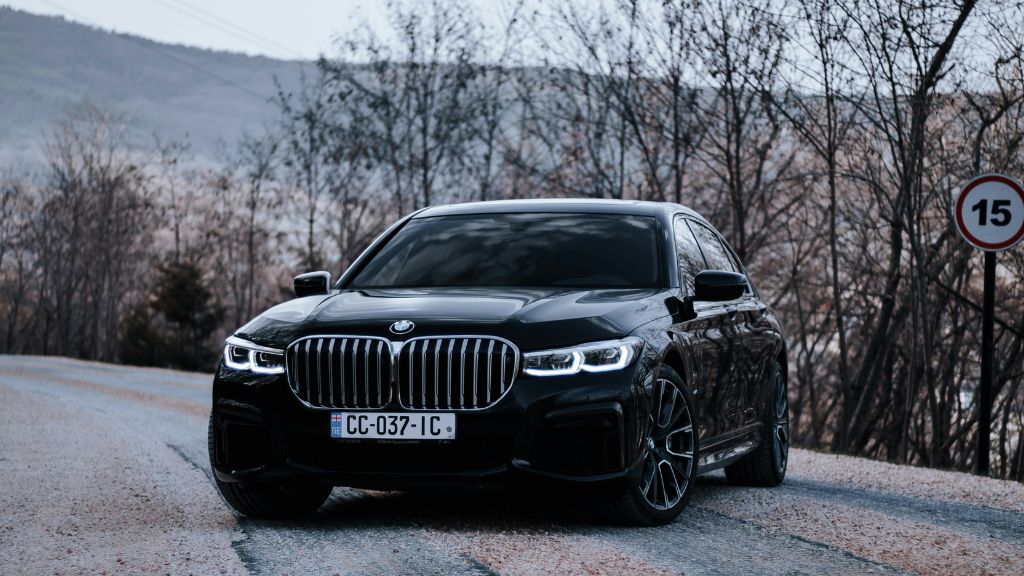
i7 vs Mercedes-Benz EQS — The Primary Rivalry
| Factor | BMW i7 xDrive60 | Mercedes-Benz EQS 450+ |
| Price India | Rs 1.72 crore | Rs 1.56 crore |
| Power | 544 hp | 333 hp |
| Range (WLTP) | 625 km | 780 km (EQS advantage) |
| Body Style | Traditional luxury saloon | Aerodynamic fastback |
| Rear Theatre Screen | Yes — 31.3-inch 8K optional | No comparable option |
| Rear-Wheel Steering | Yes — 3.5 degrees | Yes — 10 degrees (more extreme) |
| Air Suspension | Yes — predictive | Yes — Magic Body Control |
| ADAS Level | Level 2+ | Level 2+ |
| Design Preference | Traditional BMW premium | Futuristic EV design |
The comparison is genuinely close. The EQS has more range and a more radical aerodynamic design that achieves class-leading Cd 0.20. The i7 has more power, the Theatre Screen rear entertainment, and a more traditional luxury saloon proportions that many wealthy Indian buyers prefer — the i7 looks like a premium car; the EQS looks like a futuristic pod.
Charging — BMW’s Growing India Network
- BMW Charging — DC fast charging at 195kW (20-80% in approximately 34 minutes)
- AC home charging — 22kW AC wallbox, full charge in approximately 8-9 hours
- BMW ChargeNow network — access to 50+ BMW fast chargers in India + partner network
- Charge at 100+ MG, Tata, and public chargers via CCS2 compatibility
Who Buys the BMW i7 in India?
The i7 buyer in India is typically: a senior professional or business owner who currently owns a BMW 7-Series or Mercedes S-Class and wants to transition to electric without compromising on the luxury experience. Someone who values technology as status signaling — the Theatre Screen and ADAS are conversation starters. Occasionally a car enthusiast who wants the M70’s 659 hp and 0-100 in 3.7 seconds in a full luxury package.
| Also Read: Tata Aeries 2026 India Preview | |
Frequently Asked Questions
Q: What is the price of BMW i7 in India 2026?
BMW i7 2026 India price: eDrive50 (RWD) Rs 1.58 crore, xDrive60 (AWD) Rs 1.72 crore, i7L (long wheelbase) Rs 1.95 crore, M70 xDrive Rs 2.19 crore — all ex-showroom India. All variants are fully imported (CBU) and prices include import duties. On-road prices in Mumbai will be approximately Rs 1.90-2.60 crore including registration and insurance.
Q: What is the range of BMW i7 in India?
BMW i7 xDrive60 has a WLTP range of 625 km. In Indian real-world mixed conditions (city + highway, moderate AC), expect 480-520 km. Pure city driving may achieve 530-560 km. Highway driving at 120 kmph will give approximately 420-450 km. The M70 xDrive has a slightly lower 560 km WLTP range due to its higher performance output.
Q: BMW i7 vs Mercedes EQS — which is better?
EQS advantages: significantly more range (780 vs 625 km WLTP), more extreme rear-wheel steering (10 vs 3.5 degrees), lower Cd for better aerodynamics, slightly lower starting price (Rs 1.56 vs 1.72 crore). i7 advantages: more power (544 vs 333 hp), Theatre Screen rear entertainment (no EQS equivalent), traditional luxury saloon proportions preferred by many Indian buyers, M70 performance variant available. For range-priority buyers: EQS. For power, entertainment, and traditional premium aesthetics: i7.
Q: Does BMW i7 have fast charging in India?
Yes — BMW i7 supports DC fast charging at up to 195 kW, enabling 20-80% charge in approximately 34 minutes. AC home charging at 22 kW completes a full charge in 8-9 hours. BMW’s Indian charging network has 50+ fast chargers in 25+ cities, with expansion continuing. The i7 also supports India’s CCS2 standard making it compatible with most public charging networks including MG, Tata Power, and Statiq chargers.