Monsoon 2026 is fully active across most of India as of July 2. Flooded roads, poor visibility, and aquaplaning accidents spike every year. Here is the definitive guide to staying safe and choosing the right car this season.
Monsoon 2026 Has Arrived — Why Your Car Needs Special Attention
The IMD (India Meteorological Department) declared the arrival of the Southwest Monsoon over most of peninsular India in June 2026, with the monsoon advancing to cover Central India, Maharashtra, and large parts of North India by early July. For car owners, this marks the beginning of the most demanding driving season of the year.
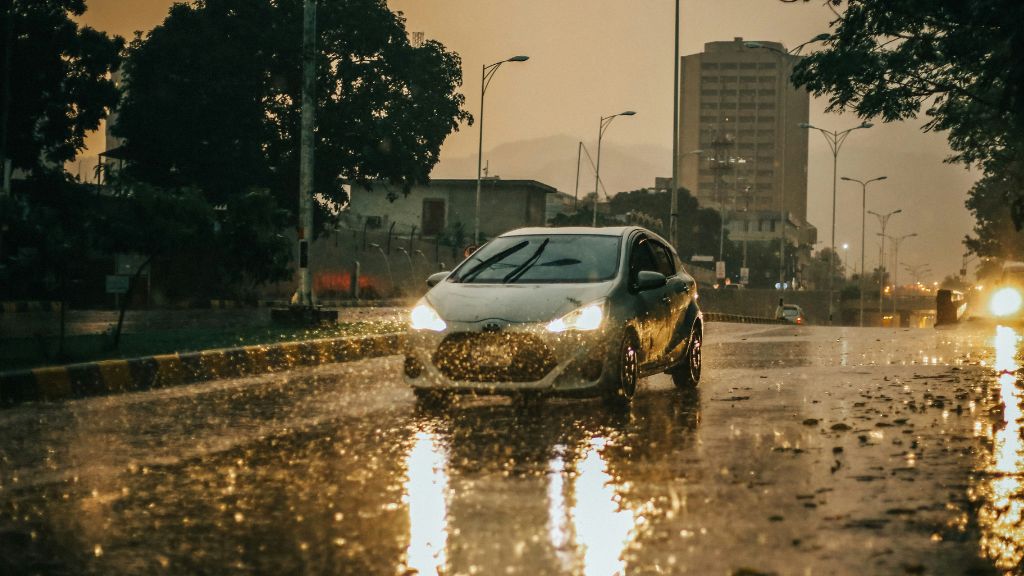
Every monsoon, India records a sharp spike in road accidents — primarily from aquaplaning (tyres losing grip on wet roads), flooded underpasses, reduced visibility, and brakes taking longer to respond on wet roads. Most of these accidents are preventable.
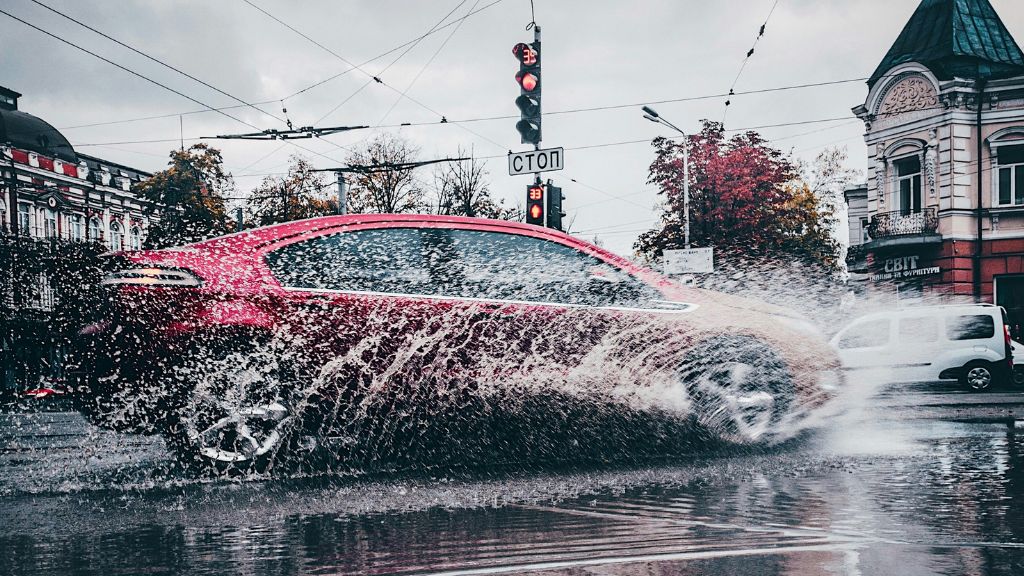
The Most Important Safety Rule: Do NOT Drive Through Flooded Roads
This cannot be stated strongly enough. Every monsoon, cars are swept away or engine-damaged by drivers who underestimate standing water depth. The rule is absolute:
- If the water is above your tyre’s lower sidewall (approximately 15 cm), DO NOT enter
- If you cannot see the road surface clearly through the water, DO NOT enter
- If cars ahead have stalled in the water, DO NOT follow — they may have entered a slope
- Even an SUV with 200mm ground clearance can be swept in just 30 cm of fast-moving water
- A hydrolocked engine (water sucked into air intake) costs Rs 1.5–4 lakh to repair — not covered by standard insurance
💡 Pro Tip: If your car stalls in water, do NOT try to restart it. Switch off ignition immediately. Restart attempts after water ingestion guarantee engine damage. Push the car out if possible, then call your insurer.
Correct Tyre Pressure for Monsoon — The Numbers
Contrary to what many drivers do, you should NOT significantly reduce tyre pressure for monsoon driving. Underinflated tyres actually increase aquaplaning risk because the tyre contact patch deforms and cannot channel water away effectively.
- Recommended monsoon pressure: Reduce by 1–2 PSI from manufacturer specification — not more
- Maruti Swift/Dzire: 33 PSI → 31–32 PSI in monsoon
- Hyundai Creta/Venue: 33–35 PSI → 32–33 PSI in monsoon
- Tata Nexon/Punch/Sierra EV: 36 PSI → 34–35 PSI in monsoon
- Check pressure every 2 weeks during monsoon — water and temperature fluctuations cause faster pressure loss
Aquaplaning — What It Is and How to Survive It
Aquaplaning (also called hydroplaning) occurs when a layer of water builds up between your tyres and the road surface faster than the tyre can dispel it. The result: your steering and brakes stop working. Your car is essentially floating on water.
Signs you are aquaplaning: Steering suddenly feels very light, the engine RPM jumps without car accelerating, you hear a rushing sound from the tyres.
What to Do If You Aquaplane
- DO NOT brake suddenly — this makes the situation worse
- DO NOT jerk the steering wheel
- Ease off the accelerator gently and smoothly
- Hold the steering wheel straight
- Wait for the car to slow down naturally and tyres to regain grip
- Then gently apply brakes to complete the stop
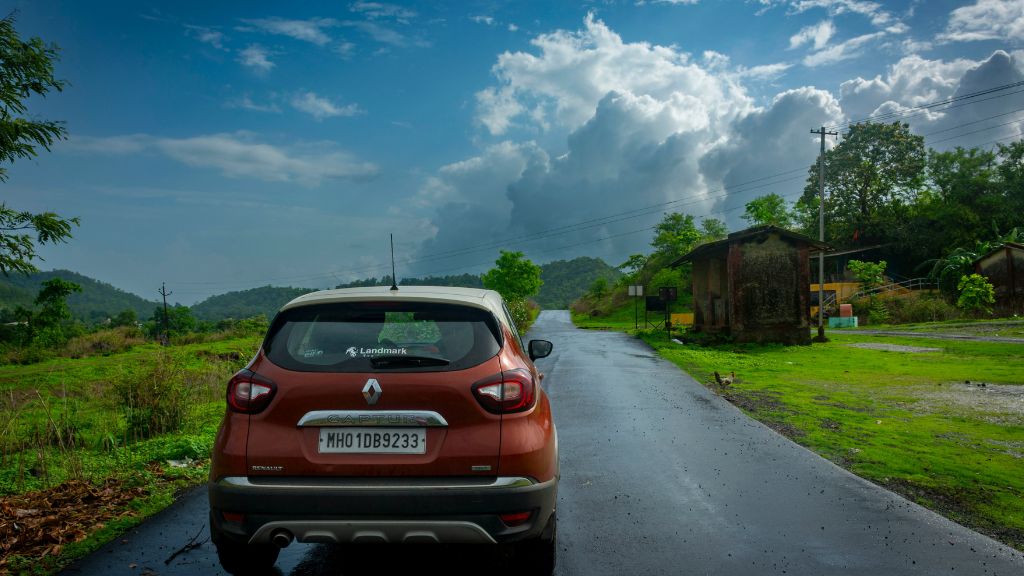
Top 5 Safest Cars for Indian Monsoon 2026
1. Tata Sierra EV / Nexon EV — Best for Urban Monsoon
Ground clearance: 201 mm. The EV advantage in monsoon: No air intake to hydrolock, sealed underbody, instant torque for careful manoeuvrability in wet conditions. The Sierra EV’s 6 terrain modes include a dedicated Mud mode that adjusts traction control for slippery surfaces.
2. Mahindra Thar Roxx — Best for Rural/Off-road Monsoon
Ground clearance: 226 mm. The highest ground clearance of any mass-market SUV in India. 4WD with low-range gearbox handles waterlogged village roads and flooded rural tracks that would stop a city SUV.
3. Toyota Fortuner — Best for Highway Monsoon
Ground clearance: 221 mm. Body-on-frame construction handles potholes and rough monsoon roads without the flexing issues of monocoque SUVs. Multi-terrain traction control system.
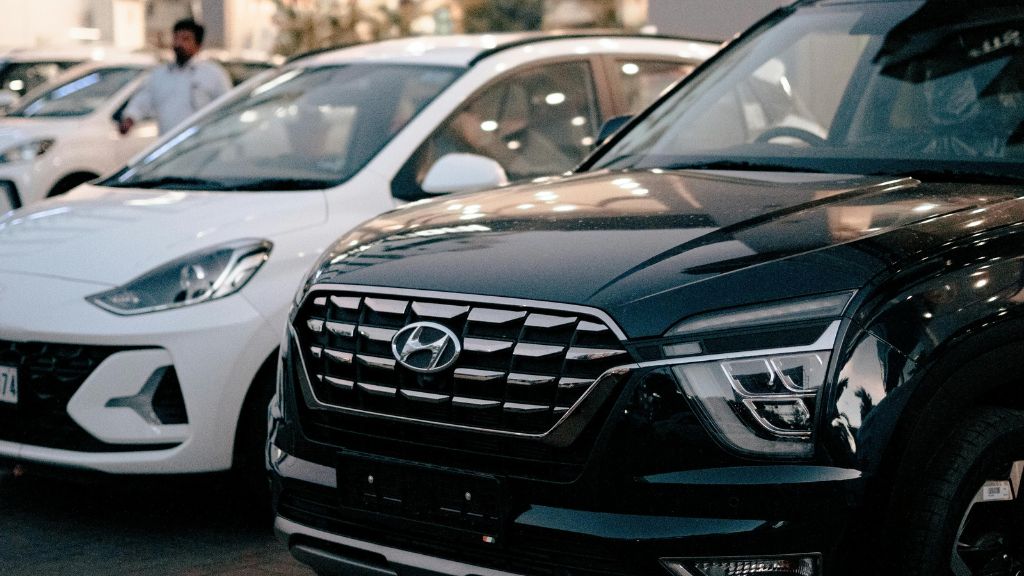
4. Hyundai Creta (2025 facelift) — Best Balanced Monsoon Package
Ground clearance: 190 mm. Level 2 ADAS with lane keeping and emergency braking works particularly well in low-visibility rain conditions. Wide rear track provides stability in crosswinds during heavy rain.
5. Maruti Grand Vitara Strong Hybrid — Best for City Monsoon Fuel Efficiency
Ground clearance: 210 mm. The strong hybrid system’s electric-only mode at slow speeds (stop-and-go monsoon traffic) delivers 22–25 km/l in heavy rain traffic vs the standard 10–12 km/l of a regular petrol car.
Monsoon Car Maintenance Checklist
- Check brake pads: Wet braking distance is 30% longer — worn pads make it 50–70% longer
- Inspect wiper blades: Replace if streaking. New wiper blades cost Rs 200–600 and should be changed every 12 months
- Check all lights: Visibility drops to 20–30 metres in heavy rain — all bulbs must function
- Waterproof your car electronics: Apply contact spray to exposed fuse box connectors if your car is older than 5 years
- Inspect engine air filter: A clogged filter reduces engine response exactly when you need it most
- Check underbody for rust: Monsoon accelerates rust on unpainted metal — have it inspected and treated before the season peaks