I once watched a man at a Honda service centre spend ₹38,000 on a transmission repair on his four-year-old City. His extended warranty had expired six months earlier. He had declined the two-year extension at the time of purchase to save ₹6,500. This guide doesn’t tell you to always buy extended warranties – but it will tell you exactly when they make financial sense and when they’re a waste of money.
What Does an Extended Warranty Actually Cover?
An extended warranty (also called a Vehicle Service Contract or Extended Service Plan) covers repair costs for mechanical and electrical failures after the manufacturer’s standard warranty expires. Standard warranties in India typically cover 2 years / 30,000–40,000 km for bikes, and 3 years / unlimited km for cars.

| Coverage Type | Typically Included | Typically Excluded |
| Engine & Transmission | Yes – major components | Normal wear, oil seals |
| Electrical Systems | Yes – alternator, starter | Bulbs, fuses, battery |
| Suspension | Partial – major components | Bushings, regular wear |
| Brakes | Partial – calipers, ABS unit | Brake pads, rotors (wear items) |
| AC System (Cars) | Yes – compressor, condenser | Refrigerant refill |
| Tyres | Never | Not covered by any warranty |
| Accident Damage | Never | This is what insurance is for |
| Rust/Corrosion | Rarely | Usually excluded |
Manufacturer Extended Warranty vs Third-Party Plans
You have two main options when your standard warranty expires: renew with the original manufacturer, or purchase a third-party service contract from an independent provider.
| Factor | Manufacturer Extended Warranty | Third-Party Warranty |
| Price | Higher (₹8,000–₹25,000/year cars) | Lower (₹4,000–₹18,000/year) |
| Repair Network | Authorized service centres only | Wider network including multi-brand |
| Claim Process | Direct – no cash out | Often cashless at partnered garages |
| Coverage Depth | More comprehensive | Varies widely – read fine print |
| Trust Level | High | Medium – depends on provider |
| Best For | Cars under ₹15 lakh, bikes | Luxury cars, owners with preferred garages |
Top Extended Warranty Plans in India 2026
| Provider | Vehicles | Price (Cars) | Price (Bikes) | Coverage Period |
| Honda Care | Honda cars & bikes | ₹9,500–₹22,000 | ₹1,200–₹3,500 | 1–3 years |
| Maruti Extended Warranty | Maruti Suzuki cars | ₹8,000–₹18,000 | N/A | 1–4 years |
| Hero Shield (Bikes) | Hero bikes only | N/A | ₹599–₹1,999 | 1–3 years |
| Royal Enfield Warranty+ | RE bikes only | N/A | ₹2,500–₹6,000 | 1–2 years |
| ACI Warranty (3rd Party) | All brands cars | ₹5,500–₹15,000 | ₹800–₹2,500 | 1–5 years |
| Mahindra Shields | Mahindra vehicles | ₹7,000–₹20,000 | N/A | 1–3 years |
The Math: When Does an Extended Warranty Pay Off?
Here’s a straightforward way to evaluate the decision. Look up the average repair cost for the most common failures on your specific model (owner forums on TeamBHP, Xbhp, and Club-FB are goldmines for this). Then calculate:
- Annual warranty cost + probability of needing that specific repair = expected value
- If the expected value is lower than the warranty cost, skip it
- If 1–2 common failures would exceed the warranty cost, buy it
Example: Honda City transmission repair costs ₹35,000–45,000. Third-year extended warranty costs ₹11,000. If there’s even a 30% chance of a transmission issue in year 4, the expected value of the repair risk = 0.30 x ₹40,000 = ₹12,000. The warranty at ₹11,000 is worth it.

When Extended Warranty Is Almost Always Worth It
- Turbo-diesel engines (highly complex, expensive repairs – VW, Skoda, Jeep)
- German luxury cars – BMW, Mercedes, Audi – where minor electrical repairs cost ₹30,000+
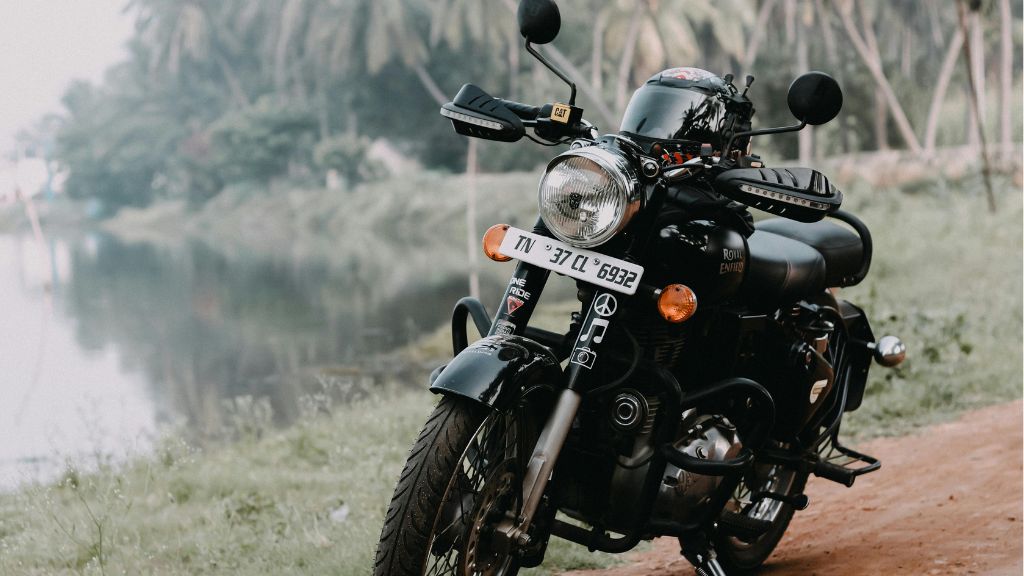
- Royal Enfield bikes post-3 years – stator coils, electrical, and engine seals are common failure points
- Any vehicle with a complex dual-clutch or automatic transmission
- Vehicles you plan to sell in 2–3 years – ‘Warranty Transferable’ is a significant selling point
When Extended Warranty Is Probably Not Worth It
- Japanese economy cars under 10 years (Toyota, Honda, Maruti) – mechanical reliability is exceptional
- Simple 100–125cc commuter bikes – repair costs are low even without warranty
- Vehicles already past 80,000 km (many warranties exclude high-mileage vehicles anyway)
- When you maintain your vehicle perfectly and have a trusted mechanic – good maintenance prevents most failures that warranties cover
Critical Fine Print to Check Before Buying
- What is the deductible per claim? (Some plans have ₹1,000–3,000 deductibles per visit)
- Is the warranty transferable if you sell the vehicle?
- Are there restrictions on where you can get repairs done?
- Is the claim process cashless, or do you pay first and claim reimbursement?
- Are consequential damages covered? (If a small failure causes a bigger failure, is all of it covered?)
Frequently Asked Questions (FAQ)
Q: Can I buy an extended warranty after my standard warranty expires?
A: Some manufacturers offer grace periods of 30–90 days after expiry. Third-party providers are generally more flexible. However, most require a vehicle inspection before issuing post-expiry coverage.
Q: Does extended warranty cover accidental damage?
A: No. Extended warranties cover mechanical and electrical failures. Accidental damage is covered by your vehicle insurance (comprehensive policy). These are two separate, complementary products.
Q: Is extended warranty from the dealership the same as from the manufacturer?
A: Not always. Dealerships sometimes sell third-party service contracts without making it clear. Always ask whether the warranty is from the original manufacturer (Honda Care, Maruti Extended Warranty) or a third-party provider, as the coverage and claim processes differ significantly.
Q: Can I negotiate the price of an extended warranty?
A: Yes. Extended warranty prices are often negotiable, especially when bundled with a new vehicle purchase. Dealers have significant margin on warranty products – discounts of 15–25% are not uncommon if you push back or mention you’re comparing with a third-party alternative.