I’ve renewed my car insurance five times now. The first time, I simply clicked ‘renew’ on the insurer’s SMS link, paid, and forgot about it. Then my car got rear-ended in Pune traffic, and I discovered – the hard way – that I had zero depreciation coverage and my claim was slashed by 40%. That experience turned me into someone who reads insurance policy documents for fun. Here’s everything I’ve learned.
Third-Party vs Comprehensive Insurance: Which One Do You Actually Need?
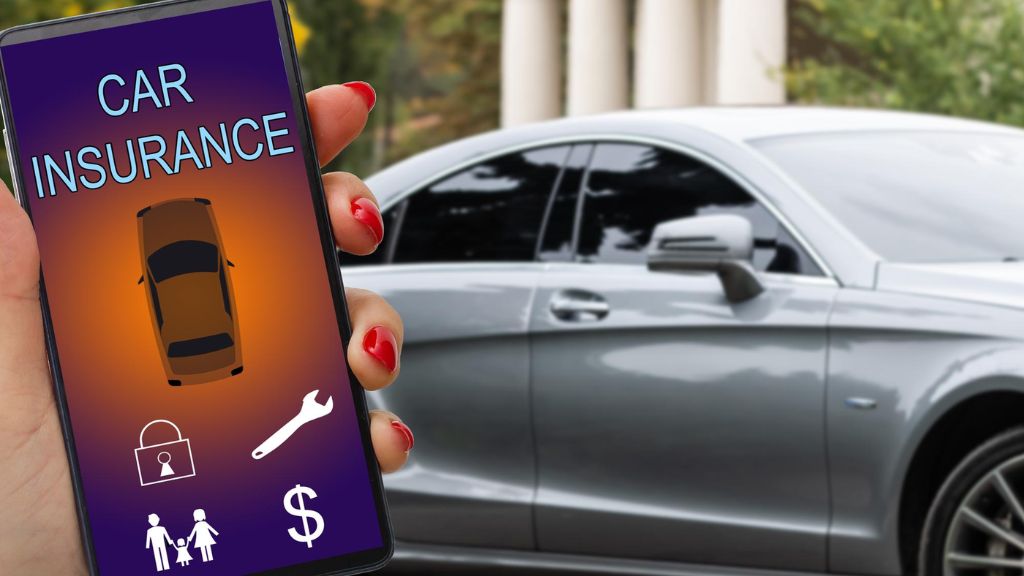
Third-party insurance is legally mandatory in India under the Motor Vehicles Act. It covers damage you cause to other vehicles, people, or property – but nothing that happens to your own car. Comprehensive insurance covers both. For any car worth over ₹3 lakh, skipping comprehensive is a gamble that rarely pays off.
| Type | What It Covers | Who Needs It | Approx. Annual Premium |
| Third-Party Only | Damage to others only | Old cars (< ₹2 lakh value) | ₹2,094 – ₹7,897 (IRDAI fixed) |
| Standalone Own-Damage | Your car only (no TP) | When TP is already purchased | Varies by IDV |
| Comprehensive | Both TP + Own Damage | All cars under 10 years old | ₹8,000 – ₹25,000+ |
| Zero Depreciation Add-on | Full part value without depreciation deduction | Cars under 5 years old | +15–20% on base premium |
Understanding IDV – The Number That Determines Your Payout
IDV stands for Insured Declared Value. It’s the maximum your insurer will pay you if your car is stolen or written off. Insurers often suggest a lower IDV to reduce your premium – which saves you ₹500 now but costs you ₹80,000 at claim time. Always set IDV at or close to the current market value of your car, not the lowest option offered.
The Add-Ons Worth Paying For (And the Ones That Aren’t)
Not all insurance add-ons are equal. Here are the genuinely valuable ones:
- Zero Depreciation Cover: Insurers normally deduct 20–50% from the cost of replaced parts based on age. Zero dep eliminates this deduction – essential for cars under 5 years old.
- Engine Protection Cover: Covers expensive engine damage from waterlogging or oil leakage – standard policies don’t cover this. Critical if you live in a flood-prone city.
- Return to Invoice (RTI): If your car is stolen or totalled, RTI pays you the original invoice price – not the depreciated IDV. Highly recommended for new cars in their first 2–3 years.
- Roadside Assistance: Worth the ₹300–500 add-on cost for anyone who drives long distances. Covers towing, flat tyre help, and fuel delivery.
- Consumables Cover: Covers nuts, bolts, engine oil, and other consumables during a repair – standard policies exclude these. Low cost, high value.
Skip these add-ons: Daily allowance (rarely used), tyre protection (expensive for limited coverage), and key replacement (just keep a spare key).
No Claim Bonus (NCB) – The Reward You Shouldn’t Lose
Every claim-free year earns you a No Claim Bonus – a discount on your next renewal premium. After five consecutive claim-free years, your NCB reaches 50%. On a ₹15,000 premium, that’s ₹7,500 saved every year.
| Claim-Free Years | NCB Discount | Saving on ₹15,000 Premium |
| 1 Year | 20% | ₹3,000 saved |
| 2 Years | 25% | ₹3,750 saved |
| 3 Years | 35% | ₹5,250 saved |
| 4 Years | 45% | ₹6,750 saved |
| 5+ Years | 50% | ₹7,500 saved |
Never make a claim for small amounts below ₹15,000-20,000 if you’ve built up NCB. The NCB loss will cost you more over the next 2–3 renewals than the claim payout.
How to Maximize Your Insurance Claim Payout
Most people receive less than they’re entitled to simply because they don’t know the process. Follow these steps to get the maximum settlement:

- Take photographs of all damage immediately at the scene – before the car moves
- File an FIR for any accident involving third-party injury or major damage (above ₹10,000)
- Inform your insurer within 24 hours by phone/app – delay can void your claim
- Do NOT authorize repairs before the surveyor visits – this is the most common mistake
- Request a copy of the surveyor’s report – you have a legal right to it
- If the settlement offered seems low, file a formal complaint with the insurer and cite IRDAI guidelines
- If still unresolved, approach the Insurance Ombudsman – free, fast, and surprisingly effective
Top 5 Car Insurance Companies in India 2026 (Based on Claim Settlement Ratio)
| Company | Claim Settlement Ratio | Network Garages | Cashless Repair |
| Bajaj Allianz | 98.5% | 4,000+ | Yes |
| HDFC ERGO | 97.3% | 6,800+ | Yes |
| ICICI Lombard | 96.4% | 5,600+ | Yes |
| Tata AIG | 95.8% | 7,500+ | Yes |
| New India Assurance | 94.2% | 3,400+ | Yes |
Pro Tip: Always Buy Direct from Insurer’s Website
Buying car insurance through the manufacturer’s dealer showroom typically costs 15–25% more than buying directly from the insurer’s website or a comparison portal like PolicyBazaar or Coverfox. The coverage is identical – you’re just cutting out the intermediary’s commission.
Frequently Asked Questions (FAQ)
Q: Is it compulsory to buy insurance from the car dealer?
A: No. You are legally free to choose any IRDAI-registered insurer. Dealers often pressure buyers into their partner insurer – you can politely decline.
Q: Can I transfer my NCB if I change insurers?
A: Yes. NCB is attached to you, the policyholder, not the insurer or the car. Request an NCB Transfer Certificate from your current insurer when switching.
Q: What happens if I drive without valid insurance?
A: Under the Motor Vehicles (Amendment) Act 2019, driving without insurance can result in a fine of ₹2,000 for the first offence and ₹4,000 for subsequent offences, plus possible imprisonment.
Q: Does car insurance cover natural disasters?
A: Yes, but only under comprehensive insurance policies, not third-party-only policies. Floods, earthquakes, and cyclones are covered as ‘Act of God’ perils.