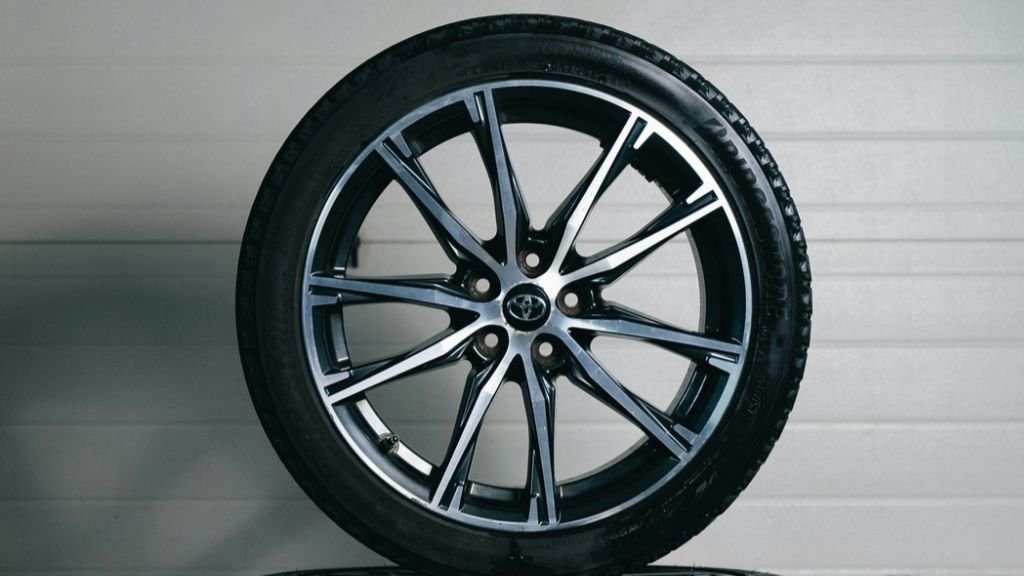
Look at the sidewall of any car tyre in India and you will find a string of numbers and letters that looks like this: 205/55 R16 91V. Most car owners have no idea what this means — they simply ask the tyre shop to replace with the same size. But understanding tyre markings matters practically: it tells you the tyre’s carrying capacity, maximum speed rating, dimensions for fitting, and when it was manufactured.
This guide decodes every marking on a tyre sidewall in simple language, with examples relevant to popular Indian cars.
The Main Size Marking — Decoded Number by Number
| Example: 205 / 55 R16 91V 205 = Section Width | 55 = Aspect Ratio | R = Radial | 16 = Rim Diameter | 91 = Load Index | V = Speed Rating |
205 — Section Width (in millimetres)
This is the width of the tyre from sidewall to sidewall, measured in millimetres. A tyre marked 205 is 205mm wide. A tyre marked 185 is 185mm wide. Wider tyres (larger number) provide more contact patch with the road — better grip and handling, but slightly worse fuel economy and more road noise. Narrower tyres have less grip but better mileage.
Indian car examples: Maruti Swift — 185/65 R15 (185mm wide). Hyundai Creta — 215/60 R17 (215mm wide). Toyota Fortuner — 265/65 R17 (265mm wide). The bigger the car, generally the wider the tyre.
55 — Aspect Ratio (profile height as % of width)
This is the tyre’s sidewall height expressed as a percentage of the section width. A 55 aspect ratio means the sidewall height is 55% of 205mm = 112.75mm. A lower number (like 45) means a shorter sidewall — low-profile tyre. A higher number (like 65) means a taller sidewall.
| Aspect Ratio | Sidewall Height | Ride Character | Common Use |
| 70-80 | Tall sidewall | Softest ride, absorbs potholes best | SUVs, commercial, budget cars |
| 60-65 | Medium sidewall | Good balance of ride and handling | Most Indian passenger cars |
| 50-55 | Medium-low | Sportier feel, less pothole absorption | Premium hatchbacks, sedans |
| 40-45 | Low profile | Most sporty, hardest ride | Performance cars, premium SUVs |
For Indian road conditions — which include potholes, speed breakers, and broken village roads — a higher aspect ratio (60-70) gives noticeably better ride quality. Very low-profile tyres (40-45) look sporty but make every pothole jarring.
R — Radial Construction
The ‘R’ stands for Radial — the method of tyre construction where the internal fabric cords run perpendicular to the direction of travel. Virtually all modern car tyres are radial. You may occasionally see ‘D’ (diagonal/bias ply) on very old vehicles or some commercial tyres — this is older technology. If your tyre shows ‘R’, it is standard modern construction.
16 — Rim Diameter (in inches)
This is the diameter of the wheel rim the tyre fits onto, measured in inches. A tyre marked R16 fits a 16-inch rim. A tyre marked R15 fits a 15-inch rim. You cannot fit a tyre with a different rim diameter onto a wheel — it will not seat properly.
Important: When replacing tyres, the rim diameter number MUST match your wheel exactly. Getting this wrong means the tyre cannot be fitted.
91 — Load Index
The load index tells you the maximum weight each tyre can carry safely. This is a code — not the actual weight in kg — that you need to look up in a standardised table.
| Load Index | Maximum Load Per Tyre | Maximum Load 4 Tyres |
| 80 | 450 kg | 1,800 kg |
| 85 | 515 kg | 2,060 kg |
| 88 | 560 kg | 2,240 kg |
| 91 | 615 kg | 2,460 kg |
| 94 | 670 kg | 2,680 kg |
| 99 | 775 kg | 3,100 kg |
| 103 | 875 kg | 3,500 kg |
For a 91 load index tyre: each tyre can carry 615 kg, and four tyres together carry 2,460 kg — the maximum the vehicle should weigh when fully loaded. Never fit tyres with a LOWER load index than specified for your vehicle — they may fail under load.
V — Speed Rating
The speed rating indicates the maximum sustained speed the tyre is designed to handle safely.
| Speed Rating | Max Speed | Common Use |
| S | 180 kmph | Standard passenger cars |
| T | 190 kmph | Family cars, SUVs |
| H | 210 kmph | Sport sedans, performance hatchbacks |
| V | 240 kmph | Sports cars, high-performance |
| W | 270 kmph | Supercars |
| Y | 300 kmph | Exotic supercars |
Most Indian cars use H or V rated tyres — rated for 210-240 kmph even though India’s speed limits are much lower. The speed rating is also an indicator of the tyre’s heat resistance and overall quality — higher speed ratings generally mean better tyre compounds and construction.
The DOT Date Code — How Old Is Your Tyre?
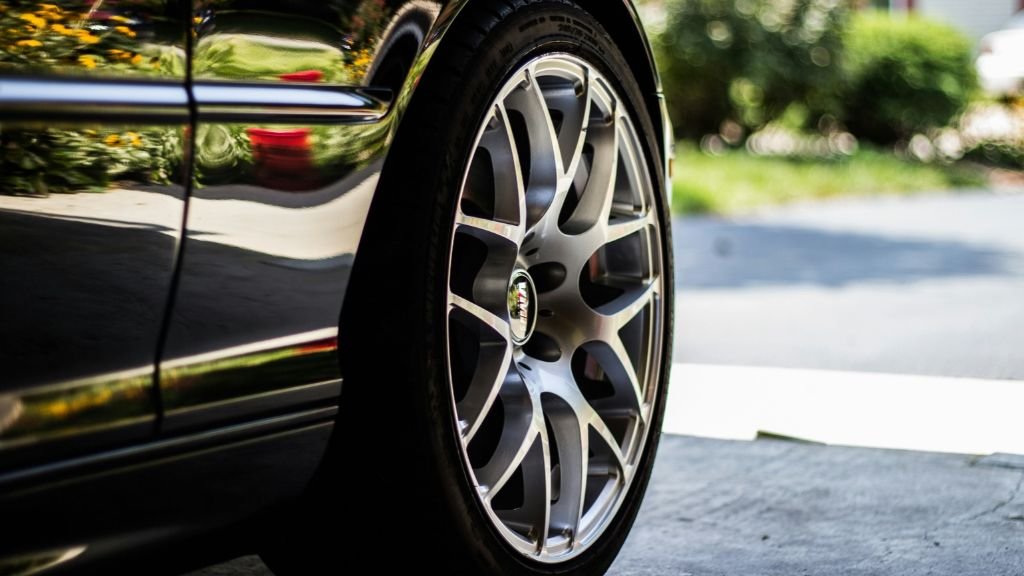
On the tyre sidewall, look for a DOT code. At the end of this code are four digits — these tell you when the tyre was manufactured:
| Example: DOT XXXX XXXX 2319 23 = Week 23 (June) | 19 = Year 2019 This tyre was manufactured in June 2019 |
Tyres have a practical safe life of 5-7 years regardless of tread depth. A tyre manufactured in 2019 should ideally be replaced by 2024-2026 even if the tread looks fine — the rubber compound degrades and hardens over time, reducing grip especially in wet conditions. Always check the DOT date when buying new tyres — some shops sell old stock, and a new-looking tyre from 2020 has already aged 6 years.
Tyre Size for Popular Indian Cars — Quick Reference
| Car | Standard Tyre Size | Meaning |
| Maruti Alto K10 | 155/80 R13 | 155mm wide, 80% profile, 13-inch rim |
| Maruti Swift | 185/65 R15 | 185mm wide, 65% profile, 15-inch rim |
| Maruti Baleno | 195/55 R16 | 195mm wide, 55% profile, 16-inch rim |
| Hyundai Creta | 215/60 R17 | 215mm wide, 60% profile, 17-inch rim |
| Tata Nexon | 205/60 R16 | 205mm wide, 60% profile, 16-inch rim |
| Toyota Fortuner | 265/65 R17 | 265mm wide, 65% profile, 17-inch rim |
| Honda City | 195/60 R16 | 195mm wide, 60% profile, 16-inch rim |
| Mahindra Thar | 255/65 R18 | 255mm wide, 65% profile, 18-inch rim |
| Also Read: Best Mileage Petrol Car India 2026 | |
Frequently Asked Questions
Q: What does 205/55 R16 91V mean on a car tyre?
205/55 R16 91V means: 205 = tyre width 205mm, 55 = aspect ratio (sidewall height is 55% of 205mm = 112.75mm), R = Radial construction, 16 = fits a 16-inch wheel rim, 91 = load index (each tyre safely carries 615 kg), V = speed rating (safe up to 240 kmph). All five elements are essential and must match your car’s specified tyre requirements.
Q: How do I find the correct tyre size for my car India?
The correct tyre size for your car is found in three places: (1) The tyre placard inside the driver’s door frame or door edge — a sticker with the manufacturer’s recommended tyre size. (2) Your car’s owner manual — lists tyre sizes for all variants. (3) The current tyres fitted — read the sidewall markings. Always match all five elements: width, aspect ratio, rim diameter, and use load index and speed rating equal to or higher than the original specification.
Q: Can I fit wider tyres on my car India?
You can fit wider tyres within limits, but there are considerations: wider tyres may rub against the wheel arch at full lock or on suspension compression, may need different offset wheels, affect fuel economy slightly, and change speedometer accuracy. Most tyre shops in India can guide you on safe width upgrade options for your specific car. Going 10-20mm wider is typically safe; going 30mm+ wider requires checking clearance carefully.