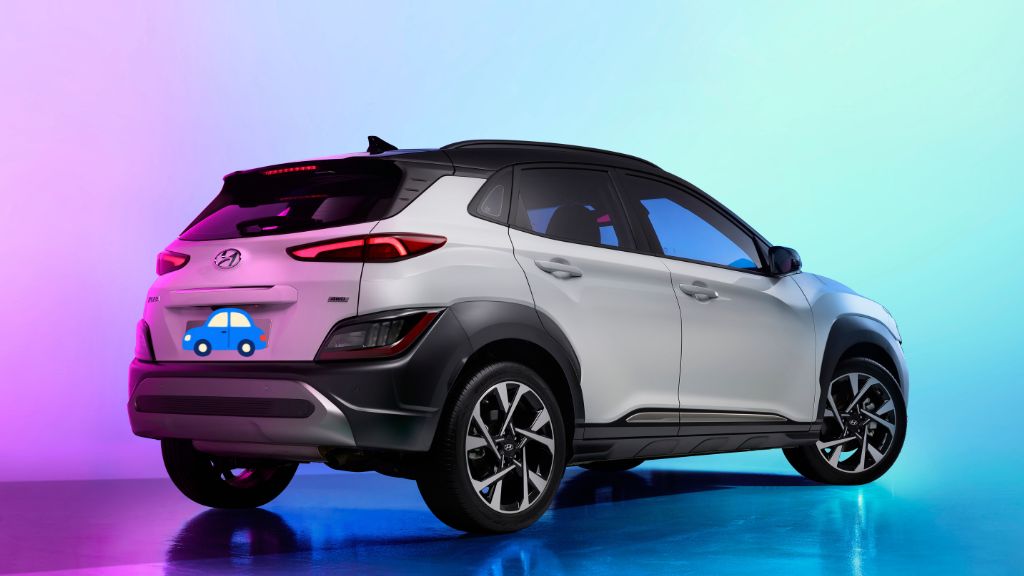
Hyundai’s global product portfolio has a gap in India — and the Bayon is designed to fill it. Launched in Europe in 2021, the Bayon has been one of Hyundai’s most successful compact crossover launches globally. It occupies the space between the i20 hatchback and the Venue SUV — a coupe-crossover that offers more style and a higher seating position than a hatchback without the full SUV footprint.
For India, the Bayon represents an opportunity to bring the growing global ‘coupe-crossover’ trend to the Indian mass market below Rs 12 lakh. The Tata Curvv EV showed that Indians appreciate coupe-SUV styling — the Bayon would bring this to the petrol hatchback-equivalent price range where volumes are significantly larger.
What Is the Hyundai Bayon?
The Bayon is architecturally distinct from the Venue — it is based on the i20 platform (monocoque hatchback-derived) rather than the Venue’s SUV-oriented platform. Key characteristics:
| Specification | Hyundai Bayon (European Spec) |
| Length | 4,180mm (sub-4m for India possibly) |
| Width | 1,775mm |
| Height | 1,490mm |
| Wheelbase | 2,580mm |
| Boot Space | 411 litres |
| Body Style | Sub-compact crossover coupe |
| Engine | 1.0L turbo petrol (48V mild hybrid in Europe) |
| Power | 100 PS or 120 PS |
| Gearbox | 6MT or 7DCT |
| Transmission | FWD |
| Ground Clearance | ~165mm |
Bayon’s Distinctive Design — The Coupe Crossover Look
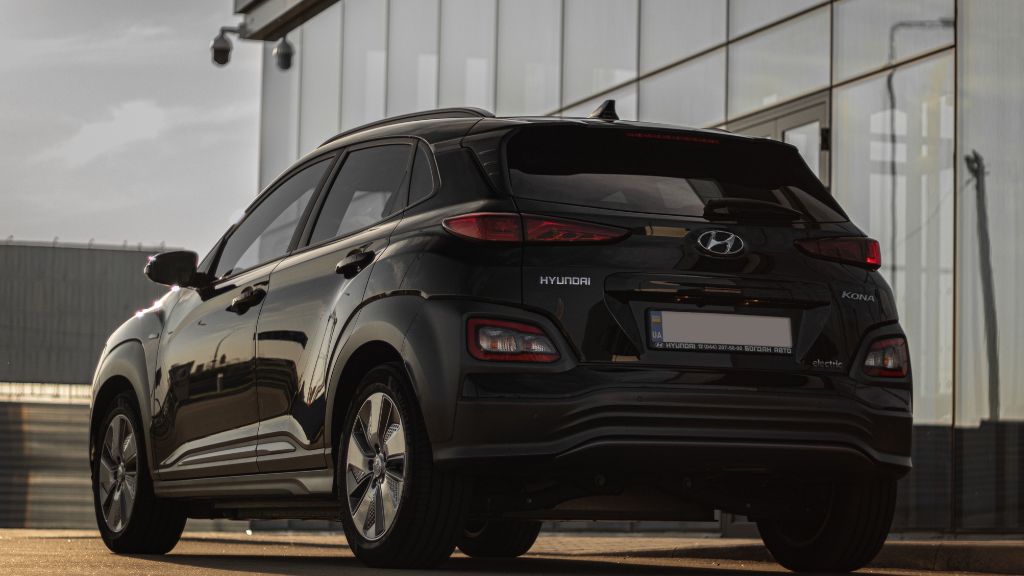
The Bayon’s design is its strongest selling point and what differentiates it from a conventional crossover or SUV:
- Sloping roofline from C-pillar — coupe-inspired profile that makes it look sportier than a standard crossover
- Parametric jewel headlamps — similar to Hyundai’s premium models, giving it an upmarket appearance
- Horizontal rear design with full-width LED strip — contemporary and cohesive
- High shoulder line — gives the SUV-like stance despite the coupe roofline
- Two-tone roof option — allows personalisation popular with younger buyers
The Bayon looks genuinely distinctive — it is not just another crossover. In European markets, its design was the primary purchase trigger for buyers who specifically wanted something that stood out in traffic.
Powertrain for India — What Makes Sense
For the European market, the Bayon uses a 1.0-litre turbo-petrol engine with 48V mild hybrid technology. For India, Hyundai will likely adapt the powertrain to local requirements:
| Powertrain Option | Suitability for India | Notes |
| 1.0L Turbo 100 PS (petrol only) | High — proven in Venue | Familiar to Indian buyers |
| 1.0L Turbo 120 PS 48V mild hybrid | Medium — premium positioning | Higher cost, but differentiated |
| 1.2L NA Petrol | High — cost-effective base | Entry variant, value positioning |
| CNG option | Medium — growing demand | Would help volume in urban markets |
Expected India Features — What Hyundai Would Offer
- 10.25-inch touchscreen infotainment — standard on mid and top variants
- 10.25-inch digital driver’s display
- Wireless Android Auto and Apple CarPlay
- Panoramic sunroof — key for Indian buyers
- Level 2 ADAS on top variant — Hyundai SmartSense
- Ventilated front seats
- BlueLink connected car technology
- 6 airbags standard across all variants
- Rear parking camera standard
- Wireless phone charger on top variants
Hyundai Bayon vs India Rivals — Where It Would Compete
| Factor | Hyundai Bayon (expected) | Hyundai Venue S | Maruti Brezza VXI | Kia Sonet HTK+ |
| Expected Price | Rs 7.50-12L | Rs 10.49L (S trim) | Rs 9.21L | Rs 10.85L |
| Body Style | Coupe crossover | Traditional compact SUV | Traditional compact SUV | Traditional compact SUV |
| Engine | 1.0L Turbo 100-120 PS | 1.2L NA 83 PS at this trim | 1.0L Turbo 108 PS | 1.0L Turbo 120 PS |
| Ground Clearance | ~165mm | 195mm | 168mm | 211mm |
| Unique Feature | Coupe styling, i20 platform | Segment stalwart | Maruti reliability | Kia premium feel |
| ADAS | Yes (top) | Limited (top) | No | Limited |
The Bayon’s coupe styling is both its biggest advantage and its most significant commercial risk in India. Buyers who love the look will choose it over a conventional crossover. Buyers who prioritise maximum ground clearance, practicality, and luggage space may prefer the taller Venue or Sonet.
Why India Needs the Bayon — and Why Hyundai Should Launch It
Market Gap: There is no coupe-crossover between Rs 7-12 lakh in India currently. The Tata Curvv (coupe-SUV) is much more expensive. The Bayon would be the first affordable coupe crossover in India.
Young Buyer Appeal: India’s younger car buyers (25-35 year olds) are increasingly style-conscious. The Bayon’s distinctive design would appeal to buyers who want something different from the mainstream compact SUV crowd.
Hyundai’s Track Record: Hyundai India has successfully launched multiple products in the sub-Rs 12 lakh space (i20, Venue) that have become segment leaders. The Bayon has the potential to do the same in the coupe crossover sub-segment.
Manufacturing: Hyundai’s Chennai plant has capacity and the i20/Venue shared platform makes Indian production feasible at competitive cost.
| Also Read: Hyundai Creta 2026 Complete Review | |
Frequently Asked Questions
Q: What is Hyundai Bayon and will it launch in India?
Hyundai Bayon is a sub-compact coupe-crossover that has been successful in European markets since 2021. It sits between the i20 hatchback and Venue SUV in size, with a distinctive sloping coupe roofline. An India launch is expected but not yet officially confirmed — 2026-2027 is the likely window if Hyundai decides to bring it. Expected price: Rs 7.50-12 lakh.
Q: How is Hyundai Bayon different from Venue?
Key differences: Bayon has a coupe-inspired sloping roofline (Venue is conventional SUV profile), Bayon is based on the i20 hatchback platform (Venue has a separate SUV-oriented platform), Bayon has lower ground clearance (~165mm vs Venue’s 195mm), Bayon is slightly smaller overall. The Venue is the more practical SUV; the Bayon is the more stylish crossover. They target different buyer personalities rather than the same need.
Q: What engine will Hyundai Bayon have in India?
Most likely the 1.0-litre turbo-petrol engine producing 100-120 PS — the same family used in the Venue turbo and Creta’s base engine. A 1.2L naturally aspirated petrol for base variants is also possible. Hyundai may also introduce a 48V mild hybrid version of the 1.0L turbo as a premium offering, similar to what is sold in Europe. A CNG option is possible given its growing importance in India.
Q: Expected price of Hyundai Bayon in India?
Based on its positioning below the Venue and above the i20, the Hyundai Bayon is expected to be priced between Rs 7.50 lakh and Rs 12 lakh in India. The base variant may start at Rs 7.50-8 lakh competing with the lower Venue trims, while the top variant with ADAS and panoramic sunroof would likely be Rs 11-12 lakh. Official pricing will depend on Hyundai’s localisation strategy and import vs local manufacturing decision.