When Triumph announced a partnership with Bajaj Auto for an accessible range of motorcycles, the global motorcycle community paid attention. Now that the Triumph Speed 400 and Speed T4 have been joined by the Bonneville T40, the classic segment has a genuine new contender that carries one of motorcycling’s most iconic names at a price point that was previously unthinkable for a British motorcycle brand.
The Bonneville nameplate has been at the heart of Triumph’s identity since 1959. The original T120 Bonneville was ridden by Steve McQueen, appeared in countless films, and defined the café racer culture of the 1960s. The T40 borrows that heritage and applies it to a 398cc parallel twin built in partnership with Bajaj at their Chakan plant — making it accessible at Rs 2.40 lakh in India.
Design — Genuine Retro DNA
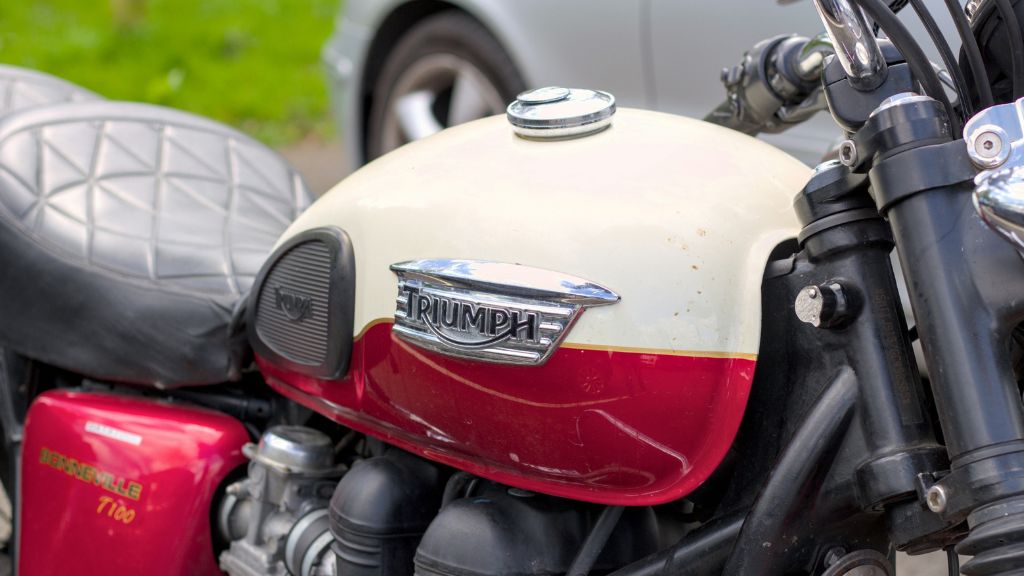
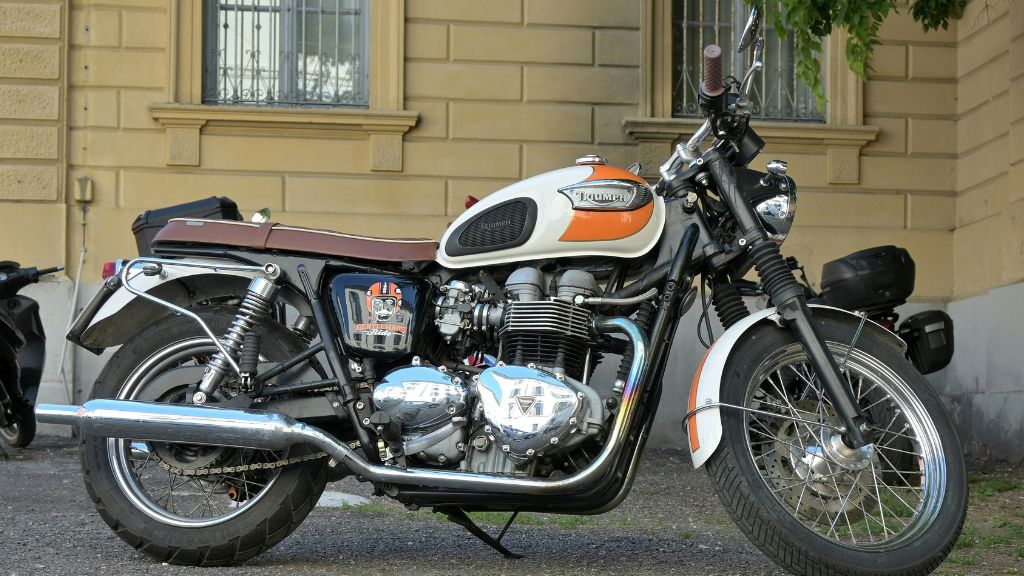
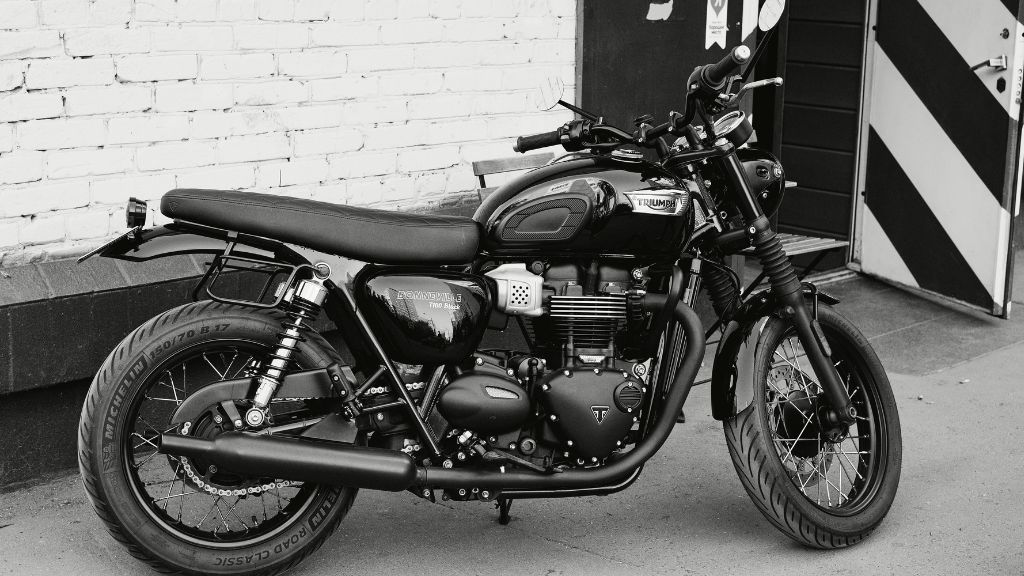
The T40 is unambiguously styled as a classic British roadster. Round headlamp with chrome surround, twin pod instrument clusters (with a modern TFT integrated behind the analog-style dials), chrome-accented exhaust headers, teardrop fuel tank with knee pads, and spoke-style alloy wheels. The silhouette is Bonneville through and through.
What Makes It Authentic: The T40 does not apply retro styling over an obviously modern chassis — the proportion, seat height, handlebar position, and tank shape genuinely echo the classic Bonnie. The attention to detail — brushed aluminium tank badges, correct tank proportions, the two-into-two exhaust layout — shows Triumph’s design team understood that half-hearted retro styling fails.
Where Modernity Shows: USD forks (upside-down), LED lighting throughout, digital-behind-analog instrument cluster, slipper clutch, and ride-by-wire fuel injection. The T40 is a modern motorcycle wearing classic clothes — which is exactly right.
Engine — The 398cc Parallel Twin
The 398cc parallel twin engine in the T40 is related to but tuned differently from the Speed 400’s single-cylinder. It produces a characterful parallel twin note — not a deep V-twin rumble, but a distinctive twin-cylinder exhaust sound that distinguishes it immediately from single-cylinder bikes at this price.
| Specification | Triumph Bonneville T40 |
| Engine | 398cc parallel twin DOHC |
| Cooling | Liquid cooled |
| Power | 40 PS @ 7,500 rpm |
| Torque | 37.5 Nm @ 5,500 rpm |
| Gearbox | 6-speed with slipper clutch |
| Fuel System | Ride-by-wire fuel injection |
| Front Suspension | USD forks 43mm — 120mm travel |
| Rear Suspension | Twin shock — adjustable preload |
| Front Brake | 310mm single disc dual-channel ABS |
| Rear Brake | 240mm disc |
| Seat Height | 780mm — accessible |
| Kerb Weight | 178 kg |
| Fuel Tank | 12 litres |
| ARAI Mileage | ~28-32 kmpl (est.) |
The 40 PS and 37.5 Nm numbers are strong for the price segment. The parallel twin’s torque delivery is broad and accessible — maximum torque at 5,500 rpm means the engine is pulling hard in normal riding conditions without needing to rev aggressively. The slipper clutch prevents rear wheel hop during aggressive downshifts — a genuine functional benefit on a sporty-natured bike.
The 780mm Seat Height — An Important Advantage
The T40’s 780mm seat height is notably lower than many adventure and modern classic bikes. This makes it genuinely accessible for shorter riders — a 5’5″ rider with a 28-inch inseam can flat-foot or nearly flat-foot at stops. Compare this to the Royal Enfield Himalayan 450’s 835mm or even the RE Interceptor 650’s 803mm. The T40’s low seat height broadens its appeal significantly.
T40 vs Key Rivals — The Comparison
| Factor | Triumph T40 | Royal Enfield Meteor 350 | Honda CB350 H’ness | Jawa 42 Bobber |
| Price | Rs 2.40L | Rs 2.23-2.31L | Rs 2.11-2.20L | Rs 2.25-2.41L |
| Engine | 398cc parallel twin | 349cc single | 348.36cc single | 293cc single |
| Power | 40 PS | 20.4 PS | 21.07 PS | 27.33 PS |
| Torque | 37.5 Nm | 28 Nm | 30 Nm | 27.02 Nm |
| Slipper Clutch | Yes | No | Yes (top) | No |
| USD Forks | Yes | No | No | No |
| Seat Height | 780mm | 765mm | 800mm | 765mm |
| Styling | British classic | Cruiser | Neo-retro | Bobber |
| Brand Heritage | Iconic British | Strong India | Honda reliability | Indian Classic |
The T40’s clearest advantage is its parallel twin engine — 40 PS and 37.5 Nm versus the RE Meteor’s 20.4 PS and 28 Nm is not a marginal difference. It is nearly double the power. For buyers who want to feel the torque and power of a larger engine in a classic package, no rival at Rs 2.40 lakh comes close.
| Also Read: Hero Xpulse 210 2026 Review | |
Ownership — Triumph Service in India
This is where honest buyers need to think carefully. Triumph’s service network in India, while expanding following the Bajaj partnership, is not as deep as Royal Enfield’s. In major metros (Mumbai, Delhi, Bengaluru, Hyderabad, Pune, Chennai), Triumph service access is good. In tier-2 cities and smaller towns, RE’s 2,000+ service centres versus Triumph’s growing but smaller network is a real consideration.
The Bajaj partnership means the T40’s service can also be handled at authorised Bajaj Pro-biking centres — which significantly expands the practical service reach beyond Triumph-only dealerships.
Frequently Asked Questions
Q: What is the price of Triumph Bonneville T40 in India 2026?
Triumph Bonneville T40 is priced at Rs 2.40 lakh ex-showroom in India — making it the most affordable Triumph motorcycle ever sold in India. On-road price in most cities will be Rs 2.70-2.90 lakh including road tax, registration, and insurance.
Q: Triumph T40 vs Royal Enfield Meteor 350 — which is better?
T40 advantages: parallel twin engine (40 PS vs 20.4 PS), nearly double the power and torque, USD forks, slipper clutch, Triumph heritage and European brand cachet. Meteor 350 advantages: Rs 17,000 cheaper at base, RE’s 2,000+ service centres across India, proven long-term reliability in Indian conditions, better fuel economy. Choose T40 for performance and brand prestige; choose Meteor for service peace of mind and value.
Q: Is the Triumph T40 made in India?
Yes — the Triumph Bonneville T40 is manufactured in India at Bajaj Auto’s Chakan plant in Pune, as part of the Triumph-Bajaj partnership. This local manufacturing is what enables the Rs 2.40 lakh price point — significantly lower than Triumph’s fully imported motorcycles which start at Rs 6.5 lakh+. The engine, chassis, and all major components are assembled in India with some locally sourced parts.