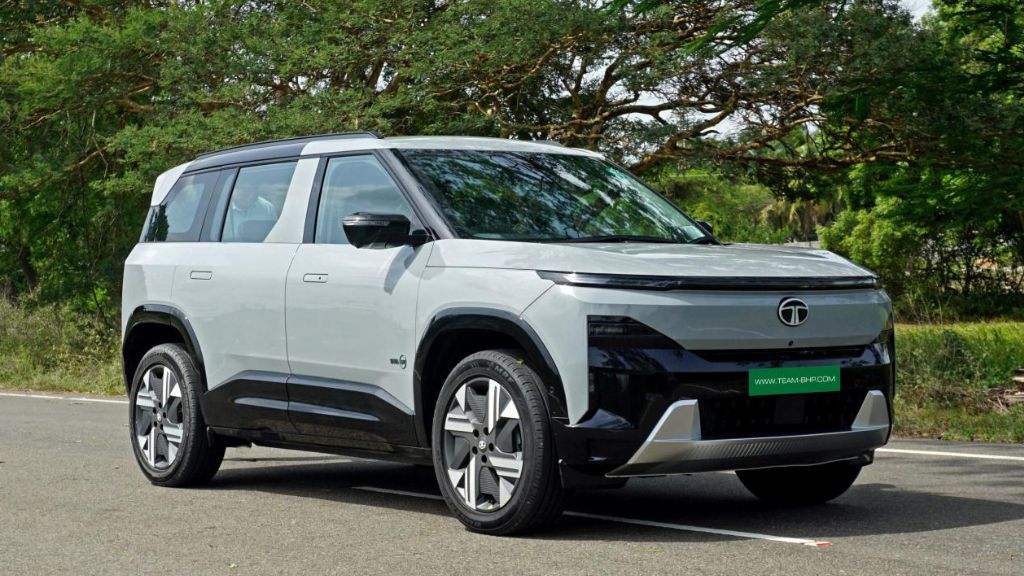
The Tata Sierra holds a special place in Indian automotive history. Launched in 1991, it was India’s first monocoque SUV — a radical concept at a time when Indian roads were dominated by Ambassador cars and Premier Padmini. The original Sierra’s boxy glass-heavy design and lifestyle positioning made it an aspirational vehicle for a generation of Indian buyers. When Tata discontinued it in 2000, many mourned its passing.
Twenty-six years later, the Sierra name is back — as an electric SUV. The 2026 Tata Sierra EV carries forward the original’s spirit: a distinctive, glass-heavy design, a focus on lifestyle buyers, and a willingness to be different. The question is whether it can live up to the legacy while competing in an increasingly crowded 2026 Indian EV SUV market.
Design — The Sierra DNA in 2026
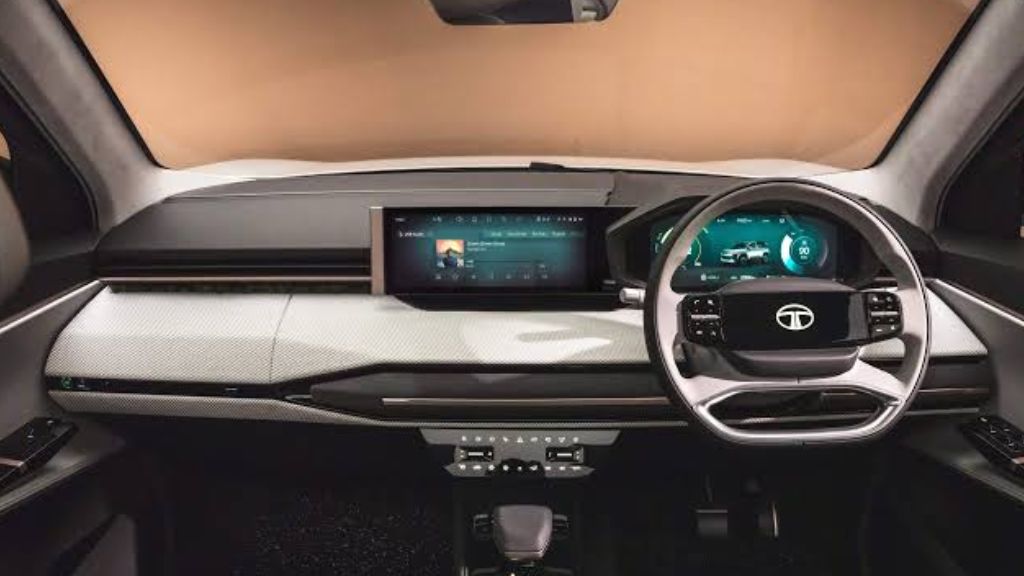
Tata has done something clever with the Sierra EV’s design. It does not try to be a retro revival — it does not have round headlamps or boxy proportions. Instead, it extracts the Sierra’s key design elements and reinterprets them for 2026:
- The glass area — the original Sierra’s most distinctive feature — returns as a massive panoramic glass roof that extends from A-pillar to D-pillar, giving the cabin an extraordinary sense of light and space
- Three-door proportions — the Sierra EV is a 5-door but its design emphasizes the rear quarter in a way that echoes the original’s pillarless rear side glass treatment
- Upright windscreen — less raked than most modern SUVs, echoing the original’s utilitarian stance
- Wide track and square proportions — the Sierra always looked planted and purposeful, and the EV version maintains this
The result is a vehicle that looks unmistakably like a Sierra without being derivative. Owners of the original who see it will feel the connection. Younger buyers who never knew the original will simply see a distinctive, premium-looking electric SUV.
All Tata Sierra EV Variants and Prices 2026
| Variant | Price (ex-sh) | Battery | Motor | Range (claimed) |
| Creative (base) | Rs 24.99 lakh | ~55 kWh | Single motor RWD | ~380 km |
| Accomplished | Rs 27.49 lakh | ~60 kWh | Single motor RWD | ~420 km |
| Empowered (top) | Rs 30.99 lakh | ~69 kWh | Twin motor AWD option | 456 km |
| Empowered+ AWD | Rs 34.99 lakh | ~69 kWh | Twin motor AWD | 456 km |
Powertrain and Performance — What Each Variant Delivers
Creative (Rs 24.99 lakh): Base entry variant. Single motor rear-wheel drive. ~380km claimed range. Adequate for urban commuting and occasional highway trips. Misses some premium features of upper variants but has the Sierra design and panoramic roof.
Accomplished (Rs 27.49 lakh): The volume sweet spot. Larger battery for ~420km range. Additional features including ventilated front seats, more driving modes, and better connectivity. This is the variant most Sierra EV buyers will choose.
Empowered (Rs 30.99 lakh): Top single-motor variant with the largest 69 kWh battery delivering 456km claimed range. Full feature list including all comfort and technology options. Equivalent to the top ICE trim level.
Empowered+ AWD (Rs 34.99 lakh): Twin-motor AWD setup on the 69 kWh battery. Same 456km claimed range but with AWD traction capability and significantly better 0-100 kmph performance. Most expensive Sierra EV — targets buyers who want the complete package.
Key Features — What Makes the Sierra EV Stand Out
Panoramic Glass Roof — The Star Feature
The Sierra EV’s panoramic glass roof is its most talked-about feature and it genuinely lives up to the attention. Spanning the entire cabin from A-pillar to near the D-pillar, it transforms the interior experience. The glass is UV and infrared treated to prevent excessive heat buildup. On overcast days or early mornings, the cabin feels genuinely special — like no other Indian EV. Upper variants add a power sun blind for privacy and heat control.
Vehicle-to-Vehicle (V2V) Charging
The Sierra EV introduces V2V (Vehicle-to-Vehicle) charging to the Indian market. If you have another compatible EV with a depleted battery, the Sierra EV can charge it directly through a cable connection — using the Sierra’s own battery as the power source. This is a genuinely useful feature for EV road trips where a fellow traveller’s car runs low.
ADAS — Level 2 Driver Assistance
- Adaptive cruise control with stop-and-go in traffic
- Lane departure warning and lane-keeping assist
- Automatic emergency braking with pedestrian detection
- Blind spot monitoring with rear cross-traffic alert
- Driver drowsiness detection
- Traffic sign recognition
Other Notable Features
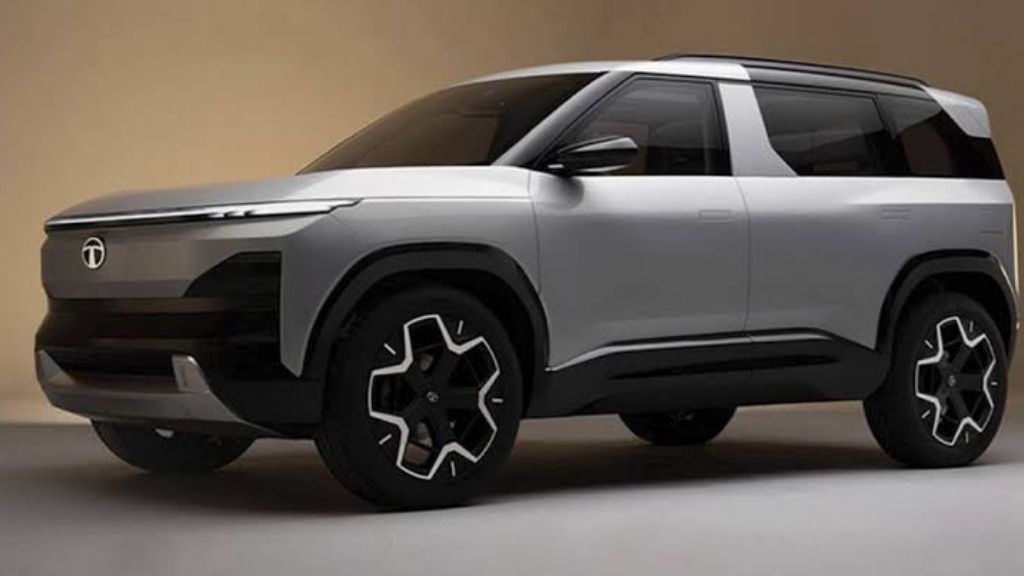
- 12.3-inch touchscreen infotainment with wireless Android Auto and Apple CarPlay
- 12.3-inch digital driver’s display — twin-screen setup
- Ventilated front seats on Accomplished and above
- JBL premium audio system on Empowered variants
- Air purifier with PM2.5 filtration
- Hands-free powered tailgate
- 6 airbags standard across all variants
- iRA connected car technology with remote functions
Real-World Range — The Honest Numbers
| Variant | Claimed Range | Expected Real-World Urban | Expected Real-World Highway |
| Creative | ~380 km | 290-320 km | 320-350 km |
| Accomplished | ~420 km | 320-355 km | 355-390 km |
| Empowered | 456 km | 350-385 km | 385-420 km |
| Empowered+ AWD | 456 km | 330-370 km | 370-410 km |
Real-world ranges are estimated based on typical Indian EV data showing 15-25% reduction from ARAI claims depending on AC use, speed, and traffic. Highway range tends to be closer to claimed figures; city range with heavy AC use will be at the lower end of estimates.
Sierra EV vs Rivals — Where Does It Fit?
| Car | Starting Price | Range | Seating | USP |
| Tata Sierra EV Creative | Rs 24.99L | 380km claimed | 5 | Iconic design, panoramic roof, V2V |
| Hyundai Creta EV | Rs 17.99L | 473km claimed | 5 | Best value EV SUV, Hyundai trust |
| Tata Curvv EV | Rs 17.49L | 502km claimed | 5 | Coupe-SUV style, great value |
| MG Windsor EV | Rs 13.99L | 460km claimed | 5 | BaaS option, lowest entry price |
| Mahindra BE 6 | Rs 18.90L | 682km claimed | 5 | Longest range, tech-focused |
| Kia EV6 | Rs 60.95L | 528km claimed | 5 | Global premium benchmark |
The honest positioning: the Sierra EV is significantly more expensive than its natural size and segment competitors (Creta EV, Curvv EV). The Rs 24.99 lakh starting price is Rs 7 lakh more than a comparable Creta EV. You are paying for the Sierra name, the panoramic roof, the distinctive design, and the V2V feature. Whether those premiums are worth it depends entirely on how much you value the emotional and visual differentiation.
Which Variant Should You Buy?
Best value: Accomplished at Rs 27.49L: The sweet spot — larger battery (420km), ventilated seats, full connectivity. Worth the Rs 2.5L step up from Creative for the extra range alone.
Range-focused: Empowered at Rs 30.99L: 456km and the full feature list. If range confidence is your priority and budget allows, this is the one.
Maximum capability: Empowered+ AWD at Rs 34.99L: Only if you genuinely need AWD — for hilly terrains, monsoon conditions in difficult areas, or performance driving. The extra Rs 4L over Empowered is specifically for the twin-motor traction system.
Avoid: Creative at Rs 24.99L: The base variant’s 380km claimed range (290-320 real) is the tightest in the lineup. Spend Rs 2.5L more for the Accomplished and get significantly better range and features.
| Also Read: Tata Aeries 2026 — India’s Most Ambitious EV Preview | https://motorsadda.in/tata-aeries-2026-india-price-specs-review/ |
Ownership Cost — What 5 Years With a Sierra EV Looks Like
| Cost Component | Tata Sierra EV Accomplished | Hyundai Creta EV S |
| Purchase Price | Rs 27.49 lakh | Rs 18.99 lakh |
| Insurance (5 years) | Rs 1,20,000 | Rs 85,000 |
| Electricity 5yr 1500km/month | Rs 1,80,000 | Rs 1,50,000 |
| Service (5 years) | Rs 30,000 | Rs 35,000 |
| Battery warranty | 8 years 1.6L km | 8 years 1.6L km |
| 5-Year Total | Rs 30,79,000 | Rs 21,19,000 |
The 5-year total ownership gap of approximately Rs 9.6 lakh between the Sierra EV Accomplished and Creta EV S is the honest premium you pay for the Sierra’s design, panoramic roof, and brand legacy. Only you can decide if that is worth it for your priorities.
Frequently Asked Questions
Q: What is the price of Tata Sierra EV in 2026?
Tata Sierra EV is priced at Rs 24.99 lakh (Creative base), Rs 27.49 lakh (Accomplished), Rs 30.99 lakh (Empowered single-motor), and Rs 34.99 lakh (Empowered+ AWD) ex-showroom. All variants include 6 airbags and the panoramic glass roof as standard. Tata’s 8-year/1.6 lakh km battery warranty applies to all variants.
Q: What is the range of Tata Sierra EV?
Tata Sierra EV claimed ranges: Creative approximately 380 km, Accomplished approximately 420 km, Empowered and Empowered+ AWD 456 km. Real-world ranges in Indian urban conditions will be approximately 15-20% lower — expect 290-320 km (Creative), 320-355 km (Accomplished), and 350-385 km (Empowered) in typical mixed-use driving.
Q: Tata Sierra EV vs Hyundai Creta EV — which to buy?
Hyundai Creta EV starts at Rs 17.99 lakh — Rs 7 lakh less than the cheapest Sierra EV. Creta EV offers 473 km claimed range and Hyundai’s proven global EV credentials. Sierra EV offers the iconic design, panoramic glass roof, V2V charging, and a more distinctive ownership experience. Choose the Creta EV if value and range are your priorities. Choose the Sierra EV if design differentiation and the Sierra heritage matter to you and budget is less of a constraint.
Q: What is V2V charging in Tata Sierra EV?
V2V stands for Vehicle-to-Vehicle charging. The Tata Sierra EV can act as a mobile charger for another compatible EV — you connect the two vehicles with a cable and the Sierra’s battery charges the other car. This is useful on road trips when a fellow traveller’s EV runs critically low. It uses the Sierra’s battery capacity, so the Sierra’s own range reduces proportionally during V2V charging.
Q: Does Tata Sierra EV have AWD?
Yes — the top Tata Sierra EV Empowered+ variant at Rs 34.99 lakh is available with a twin-motor AWD setup. The base Creative, Accomplished, and Empowered variants are single-motor rear-wheel drive. The AWD variant offers better traction in slippery conditions and significantly better 0-100 kmph performance compared to the single-motor variants.