The under-10-lakh electric car segment in India in 2026 is both exciting and frustrating. Exciting because genuine EVs are now available at this price point for the first time in Indian automotive history. Frustrating because the options are limited, the compromises are real, and the marketing often overpromises what daily ownership actually delivers.
I spent two months researching every electric car available under Rs. 10 lakh — test-driving where possible, speaking to owners, and running actual ownership cost numbers. This is the honest guide that cuts through the marketing.
What Rs. 10 Lakh Buys You in EV Terms — Setting Expectations
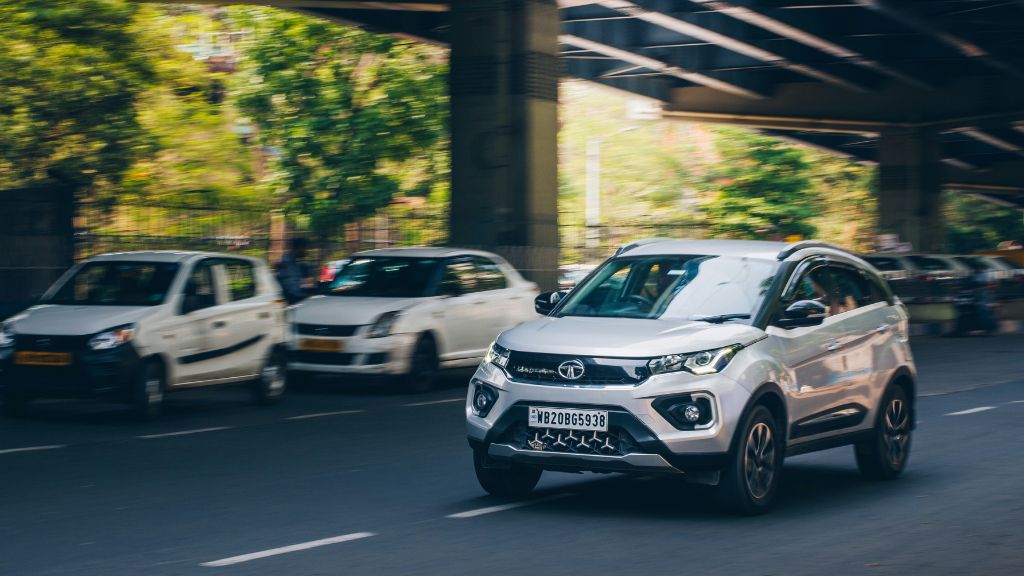
At under Rs. 10 lakh, you get: entry-level small cars with real-world range of 150-280 km per charge, basic to mid-level features, home charging of 6-10 hours on a standard socket, and battery capacity that requires thoughtful planning for trips outside your city. The question is whether the EV compromises match your usage and whether the running cost advantage justifies them.
Option 1 — Tata Punch EV (Rs. 9.99 Lakh Base)
The Tata Punch EV is the most credible electric car under Rs. 10 lakh in India in 2026. Tata’s base Smart variant sits just under the ceiling at Rs. 9.99 lakh ex-showroom.
Real-World Range: The base 25 kWh battery delivers 200-240 km per charge in real Indian conditions with AC on. Genuinely adequate for urban commuters driving 30-60 km daily.
Charging: AC charging only at 3.3 kW. Full charge from a 15-amp home socket takes 9.5 hours — perfect for overnight. No DC fast charging at this variant.
Features: Basic — no touchscreen, manual AC. But 4 airbags, rear sensors, and Tata’s NCAP-tested body structure.
Running Cost: At Rs. 8 per unit electricity, full charge costs Rs. 200. For 200 km that is Rs. 1 per km versus petrol’s Rs. 6-8 per km. Annual saving for 1,200 km/month user: Rs. 60,000-84,000.
| Variant | Price | Battery | Real Range | Charging |
| Smart (base) | Rs. 9.99L | 25 kWh | 200-240 km | AC only, 9.5 hrs |
| Smart+ | Rs. 11.05L | 25 kWh | 200-240 km | AC + DC optional |
| Adventure | Rs. 11.55L | 25 kWh | 200-240 km | AC + DC |
| Empowered+ | Rs. 13.15L | 35 kWh | 260-310 km | AC + DC fast |
Honest verdict: The base Punch EV has manufacturer credibility, proven reliability from 2+ years of sales, and a safety record no other sub-10-lakh EV can match. It is the right choice for most buyers in this budget.
Option 2 — MG Comet EV (Rs. 7.98 Lakh Onwards)
The MG Comet is the most affordable four-wheeled EV in India at Rs. 7.98 lakh. It is a micro-urban EV — 2,974 mm long, shorter than a Maruti Alto, seating two adults comfortably.
Real-World Range: 17.3 kWh battery, 120-145 km per charge. ARAI claims 230 km but this is not achievable in normal Indian driving with AC.
Best For: Solo commuters in dense metro cities, 20-30 km daily commute, second car for short trips. Not suitable as primary family car or for 50+ km daily driving.
| Factor | MG Comet | Tata Punch EV base |
| Price | Rs. 7.98L | Rs. 9.99L |
| Real Range | 120-145 km | 200-240 km |
| Seating | 2+2 cramped | 5 proper seats |
| Safety | 2 airbags | 4 airbags NCAP tested |
| Best For | Solo urban | Family city car |
FAME-III Subsidies — What You Actually Get
FAME-III subsidies are automatically applied at the dealer level — the ex-showroom price you see already has the central subsidy deducted. No separate claim needed. State governments offer additional subsidies: Maharashtra Rs. 10,000, Gujarat Rs. 20,000, Tamil Nadu Rs. 15,000, Delhi Rs. 5,000. These require a separate claim through your state EV portal after purchase.
| Also Read: Electric Scooter Subsidy Update 2026 | https://motorsadda.in/electric-scooter-subsidy-update-2026/ |
5-Year Total Ownership Cost Comparison
| Cost Component | Tata Punch EV Smart | Maruti Alto K10 VXI Petrol |
| Purchase Price | Rs. 9.99 lakh | Rs. 5.54 lakh |
| Insurance 5 years | Rs. 55,000 | Rs. 38,000 |
| Fuel/Electricity 5yr 1200km/mo | Rs. 72,000 | Rs. 3,60,000 |
| Service 5 years | Rs. 18,000 | Rs. 32,000 |
| 5-Year Total | Rs. 11,44,000 | Rs. 9,84,000 |
At 1,200 km/month the Punch EV total ownership cost is Rs. 1.6 lakh more than the Alto K10 over 5 years. At 1,800 km/month the Punch EV breaks even around year 4. The higher your monthly driving, the faster the EV’s fuel savings close the price gap.
Frequently Asked Questions
Q: Which is the best electric car under 10 lakh in India 2026?
The Tata Punch EV base at Rs. 9.99 lakh is the best all-round choice — 200-240 km real range, 5 proper seats, 4 airbags, and Tata’s proven EV track record. The MG Comet is better specifically for solo urban commuters with 20-30 km daily commute who want the lowest purchase price.
Q: Is an EV worth buying under 10 lakh in India?
For buyers with home charging and 40+ km daily commute, yes — 5-year total ownership cost is competitive with petrol and savings compound over time. For low-mileage users or those without home charging, a petrol car may be more practical.
Q: How much does it cost to charge an electric car at home in India?
At Rs. 6-10 per unit home electricity, a full charge of the Punch EV’s 25 kWh battery costs Rs. 150-250. For 200 km of real-world range, this is Rs. 0.75-1.25 per km — significantly less than petrol’s Rs. 6-8 per km at current rates.