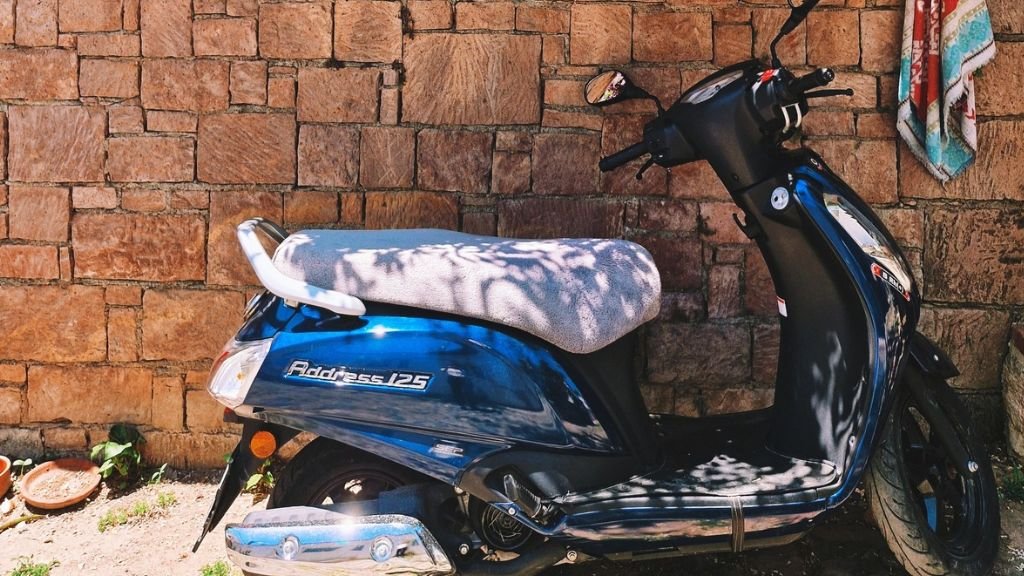
The Suzuki Access 125 has been on Indian roads since 2007, and in a market that loves to chase the newest thing, that is a long time. It does not win spec-sheet battles. It wins quietly, because it is light, smooth, easy to park and rarely gives its owners any drama.
But if you search for its price today, you will find a confusing mess. One site says Rs 81,000, another says Rs 83,000, a third lists Rs 1.10 lakh. They are not all wrong. They are describing different variants, different cities and different dates. This guide sorts that out, so you know what you are likely to pay and which version is worth the money.
The Short Version
- Ex-showroom (Delhi) prices start at roughly Rs 82,000 to 83,000 and top out near Rs 1.00 to 1.04 lakh, depending on the source and the date.
- On-road in Delhi, one portal lists Rs 88,924 for the base variant and Rs 1.10 lakh for the top one.
- There are six variants but only one engine: a 124 cc petrol with a CVT automatic.
- Reported 2026 changes: single-channel ABS on the top two variants, a bigger underseat compartment (24.4 litres, up from 21.8) and two new colours.
- Claimed mileage is 45 kmpl. Owners on one portal report an average of around 41 kmpl.
Access 125 Price in India: What the Sources Say
I checked several portals in November 2026. Here is what they show for ex-showroom prices. All of them are Delhi figures unless noted.
| Source | Ex-showroom range | Note |
| Autocar India | About Rs 81,580 to Rs 1.00 lakh | Six variants listed |
| ZigWheels (updated Nov 2026) | Rs 82,185 to Rs 1.01 lakh | Six variants, six colours |
| Pulse By Anubhav (new colours report) | Rs 83,086 to Rs 1,03,780 | Published on the day I checked |
| BikeDekho | From Rs 82,185 | On-road shown as from about Rs 1.01 lakh |
Why the numbers do not match
Three things cause the gaps. First, Suzuki revises prices a few times a year, and not every site updates on the same day. Second, ex-showroom prices differ slightly by state because of local taxes and logistics. Third, some portals describe a four or five-variant lineup while others list six, so the top-end figure changes depending on which version they include.
The practical rule: use these figures to understand the range, then ask your local dealer for a written on-road quote. That is the only number that matters.
On-Road Price by Variant (Delhi)
Autocar India publishes a variant-wise on-road price for Delhi, which is the most complete list I found. On-road means ex-showroom plus registration, insurance and other charges.
| Variant | On-road (Delhi) | Brakes / ABS |
| Standard Edition, Drum Brake | Rs 88,924 | Drum |
| Special Edition, Disc Brake | Rs 95,634 | Disc |
| Ride Connect Edition, Disc, Alloy Wheels | Rs 98,752 | Disc |
| Ride Connect TFT Edition | Rs 1.02 lakh | Disc |
| Ride Connect ABS Edition | Rs 1.04 lakh | Single-channel ABS |
| Ride Connect TFT ABS Edition | Rs 1.10 lakh | Single-channel ABS |
Remember that insurance is a big part of the on-road figure and it is partly negotiable. A dealer’s in-house insurance quote is not always the cheapest. Compare it with an online quote before you agree.
The Six Variants, Explained in Plain Language
1. Standard Edition, Drum Brake
This is the cheapest way into an Access. It has drum brakes and a simpler console. For short city trips at moderate speeds, it does the job. But if you ride in heavy traffic or on busy highways, I would think twice about saving the money here, because braking is the one area where a few thousand rupees buys a real safety benefit.
2. Special Edition, Disc Brake
Adds a front disc brake over the base version. Disc brakes bite harder and are less affected by water, which matters in a monsoon. For many buyers this is the sensible entry point, since it gets you the better brake without paying for the connected features.
3. Ride Connect Edition, Disc Brake with Alloy Wheels
Here you start to get what Suzuki calls Ride Connect: a Bluetooth-linked display that shows calls and, with a paired phone, basic navigation prompts. You also get alloy wheels and a bit more visual polish, including matte colours and LED lighting on the Ride Connect versions.
4. Ride Connect TFT Edition
Swaps in a colour TFT screen. It looks modern and is easier to read at a glance. Whether that is worth Rs 3,000 to 4,000 extra depends entirely on whether you care about the display.
5. Ride Connect ABS Edition
Adds single-channel ABS, which stops the front wheel from locking under hard braking. This is the one I would put at the top of the list for most riders, because it adds real safety for a modest premium.
6. Ride Connect TFT ABS Edition
The full package: TFT display, connectivity and ABS. It is the most expensive Access and the one to buy if you want everything and plan to keep the scooter for years.
If I were buying one tomorrow with my own money, I would pick a disc-brake variant with ABS before I paid extra for a screen. A screen improves the ride. ABS can save you from a fall.
What Changed for 2026
The Access is not a scooter that reinvents itself every year, so the 2026 changes are modest but useful.
- ABS: single-channel ABS was added on the top two variants.
- Storage: the underseat compartment grew from 21.8 litres to 24.4 litres across the range, because the shell and storage design are shared between trims.
- Colours: two reported additions, Metallic Royal Bronze and Metallic Mat Bordeaux Red. Other shades listed on retail sites include Pearl Mat Aqua Silver, Metallic Mat Stellar Blue and Glossy Grey.
The extra underseat space is easier to appreciate than it sounds. A little over two litres is roughly the difference between a helmet that fits and one that does not, and it matters if you carry a full-face helmet and a small bag.
Engine and Performance: Smooth, Not Quick
Every Access 125 uses the same 124 cc petrol engine. The published figures are 8.42 PS at 6,500 rpm (about 8.3 bhp) and 10.2 Nm of torque, paired with a CVT automatic. Top speed is claimed at around 90 km/h. Seat height is 856 mm, the wheelbase is 1,260 mm and the kerb weight is around 105 to 106 kg.
In plain words: this is a light scooter with a smooth, refined engine that gets up to city speeds easily and cruises comfortably at 60 to 70 km/h. It is not designed to feel fast. If you want punchier acceleration, look at sportier 125 cc scooters from other brands. If you want something easy to ride every day, the low weight and smooth power delivery are exactly what you want.
The 856 mm seat height is worth noting. It is on the taller side for a scooter, so shorter riders should sit on one before buying and check they can plant both feet comfortably.
Mileage and Real-World Running Cost
The claimed ARAI mileage is 45 kmpl. Owner-reported figures on one portal average about 41 kmpl, which is a typical gap between lab conditions and daily riding with traffic, a passenger and air-conditioned-office-to-home runs in the heat.
The fuel tank is 5.3 litres. Multiply that by 41 kmpl and you get a rough range of about 217 km on a full tank, or about 238 km at the claimed 45 kmpl. These are my own calculations from published numbers, not figures from Suzuki.
A simple way to work out your own monthly fuel bill
- Estimate how many kilometres you ride in a month.
- Divide that by your real mileage, say 41 kmpl, to get litres used.
- Multiply by the petrol price in your city.
As an illustration, at 1,000 km a month and 41 kmpl you would use about 24 litres. With petrol at a round Rs 100 per litre, that is roughly Rs 2,400 a month, or about Rs 2.40 per kilometre. Your petrol price will differ, so use your own.
Ride Connect: Is Bluetooth Worth Paying For?
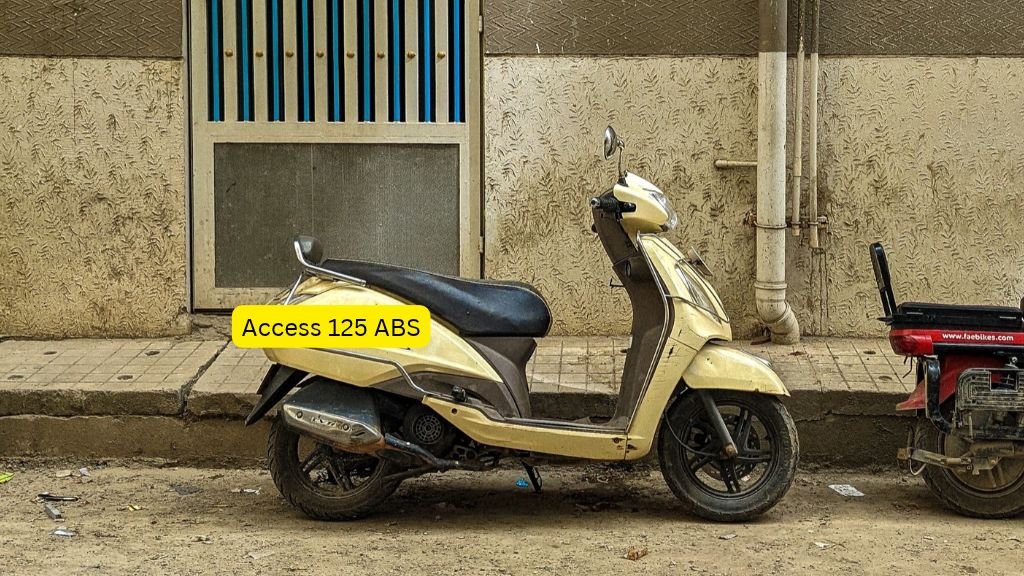
Ride Connect links your phone to the scooter’s display over Bluetooth. Depending on the variant, you can see incoming call and message alerts and get navigation prompts once the phone is paired. It is a convenience feature, and a useful one if you ride in a big city and use maps daily.
The honest caveat is that it works through your phone, so a weak phone connection or a low battery affects it. For a rider who knows their routes, it is a nice extra rather than a necessity. This is why I would choose the ABS variant before the TFT one.
Brakes and Safety: What Single-Channel ABS Means
ABS stops a wheel from locking when you brake hard, which helps you keep control and steer while braking. A single-channel system usually works on the front wheel only. That is the wheel that matters most in an emergency stop, since most of the braking force goes there, and it is the one whose lock-up is most likely to cause a fall.
It is not a replacement for careful riding, and it does not mean you can brake at the last second in the rain. But on slippery roads, painted road markings and wet manhole covers, it gives you a margin of error that drum-brake versions do not.
How It Compares With Other 125 cc Scooters
The usual alternatives in this segment are the Honda Activa 125, the TVS Jupiter 125 and the Hero Destini 125. I am deliberately not quoting their specs or prices, because those change often and I would rather you check current figures. What I can say is how they tend to differ in character.
| Scooter | How it tends to differ (my view) |
| Suzuki Access 125 | Light, smooth and easy to handle. Strong reputation for refinement. Service network is generally smaller than Honda’s, so check your city. |
| Honda Activa 125 | The default choice for many buyers. Very wide service network and strong resale value. |
| TVS Jupiter 125 | A popular all-rounder with comfort-focused features. Worth a back-to-back test ride. |
| Hero Destini 125 | Often competitive on price and aimed at value-focused buyers. |
My suggestion: ride the Access and at least one rival on the same day, on the same roads. Differences in seat comfort, mirrors and low-speed balance are impossible to judge from a brochure.
Service Network and Resale: The Two Things Buyers Forget
A scooter is a daily tool, so the question is not just how it rides but how easy it is to keep running. Suzuki’s two-wheeler network is generally smaller than the biggest names, so before you buy, find the nearest authorised workshop and check how far it is from your home or office.
Resale value follows brand strength and demand. Honda scooters often hold value very well in the used market, while Suzuki scooters tend to sell more slowly in some towns. If you plan to sell in three or four years, ask a local used-scooter dealer what an Access of that age fetches in your area.
If You Want Electric: The Suzuki e Access
Suzuki also sells an electric scooter called the e Access. One portal lists it from Rs 1,88,490 ex-showroom with a claimed ARAI range of 95 km per charge. That is roughly double the price of the petrol Access, so the maths only works if you ride enough to recover the difference in fuel savings, and if you can charge at home.
For most buyers who read an Access 125 price guide, the petrol model remains the simpler, cheaper choice. But if your daily commute is short and you have a charging point at home, it is worth a look.
Who Should Buy the Access 125, and Who Should Not
It is a good fit if you:
- Want a smooth, low-maintenance scooter for daily city riding.
- Care about refinement and ease of handling more than outright speed.
- Value a good-sized underseat compartment.
Look elsewhere if you:
- Need the widest possible service network in a small town.
- Want sporty acceleration or a very low seat height.
- Prioritise resale value above everything else.
Before You Buy: A Quick Checklist
- Ask for the on-road price in writing, with a line-by-line breakdown.
- Compare the dealer’s insurance quote with an online quote.
- Check the manufacturing date on the scooter you are being given. Stock that has been sitting for a long time can be a bargaining point.
- Test-ride for at least 15 minutes, including a bumpy road and a short stretch of heavier traffic.
- Sit on it to check seat height and reach, especially if you are under about 5 feet 4 inches.
- Ask about accessories, an extended warranty and the first free services, and get them written into the invoice.
- Check festive-season offers. Dealers often add cashback or free accessories in the run-up to big sales periods.
Frequently Asked Questions
What is the 2026 Suzuki Access 125 price in India?
Ex-showroom prices start at roughly Rs 82,000 to 83,000 in Delhi and go up to about Rs 1.00 to 1.04 lakh, depending on the source and variant. On-road in Delhi, one portal lists Rs 88,924 to Rs 1.10 lakh.
How many variants does the Access 125 have?
Six: Standard Edition Drum, Special Edition Disc, Ride Connect Disc with Alloy Wheels, Ride Connect TFT, Ride Connect ABS and Ride Connect TFT ABS. Some portals show fewer.
What is the mileage of the Access 125?
The claimed ARAI figure is 45 kmpl. Owners on one portal report about 41 kmpl on average.
Does the Access 125 have ABS?
Reportedly, the top two variants now get single-channel ABS. The lower variants do not.
Quick Summary
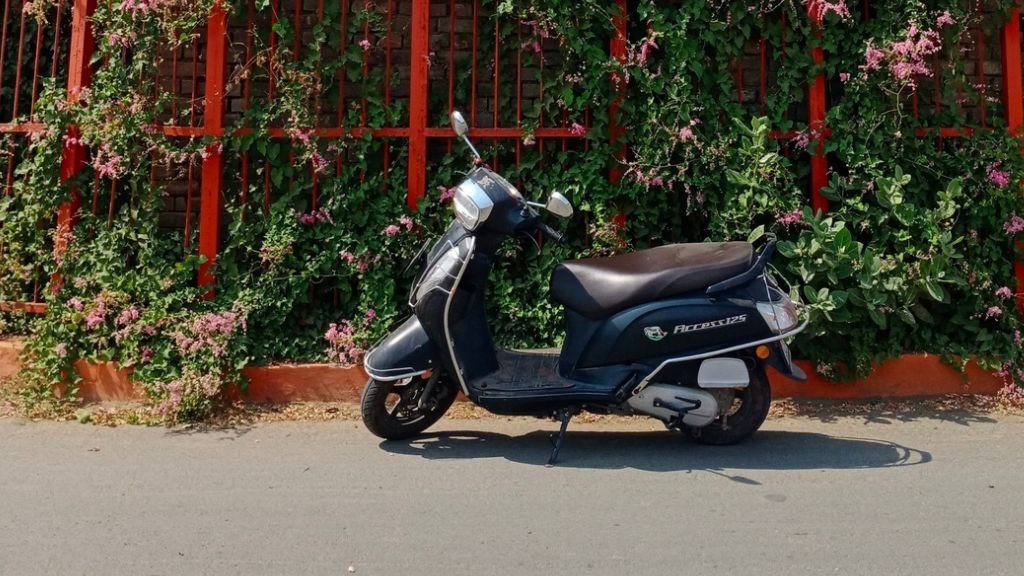
| Detail | 2026 Suzuki Access 125 |
| Ex-showroom (Delhi) | Roughly Rs 82,000 to Rs 1.04 lakh (varies by source) |
| On-road (Delhi) | Rs 88,924 to Rs 1.10 lakh (one portal) |
| Engine | 124 cc petrol, 8.42 PS, 10.2 Nm, CVT |
| Mileage | 45 kmpl claimed; about 41 kmpl owner-reported |
| Fuel tank | 5.3 litres |
| Underseat storage | 24.4 litres (up from 21.8) |
| Seat height / weight | 856 mm / about 105 to 106 kg |
| Best value pick (my view) | A disc-brake variant with ABS |
Bottom line: the Access 125 is still one of the most agreeable scooters you can buy for daily use. The price range is wide, so decide first whether you want ABS and Ride Connect, then get one written on-road quote. Do not pay for features you will not use, and do not skip the brake upgrade to save a few thousand rupees.